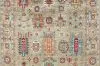
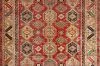
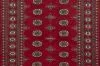
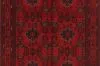
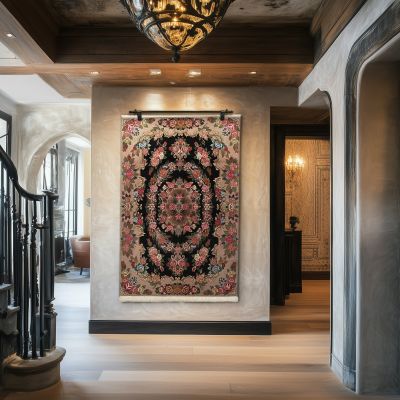
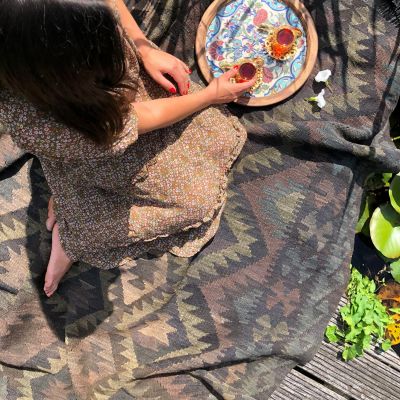
Summer Sale – 10% Extra Off
Discover our extensive selection of hand-knotted and handwoven rugs and enjoy an extra 10% off everything.
Discount code: SUMMER10

Woven and hand-knotted rugs are among the oldest forms of textile craftsmanship and have shaped living spaces around the world for centuries. Both types of rugs are made using traditional handcraft techniques, yet they differ fundamentally in their production method, structure, and visual impact in a room.
While woven rugs are created by interlacing warp and weft threads, hand-knotted rugs are made by carefully tying individual knots by hand. As a result, each technique develops its own distinct character—from flat, flexible weaves to richly detailed and textured knotwork.
It is often assumed that “woven” automatically means machine-made. In fact, the term initially describes only the technique itself. Many woven rugs are also traditionally handmade and have a long cultural history.
In this article, you will learn about the differences between woven and hand-knotted rugs, the characteristics that define both production methods, and which type of rug best suits your interior style.
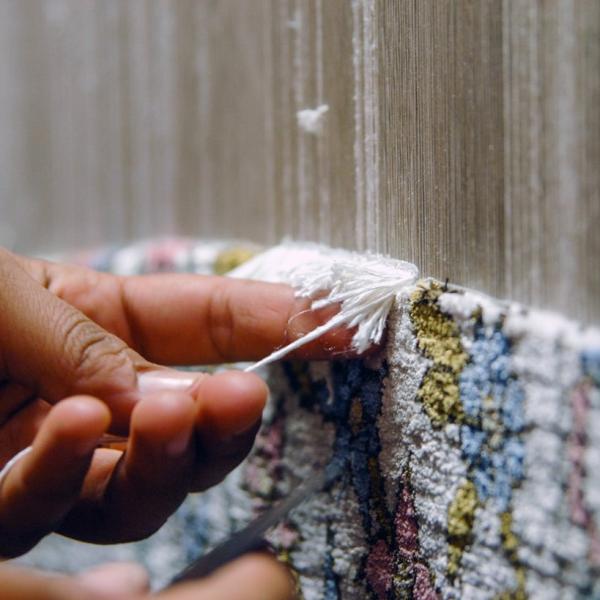
The production of traditional rugs requires precision, experience, and a deep understanding of materials and techniques. Natural fibers such as virgin wool, cotton, and silk play a central role, as they are ideally suited for both weaving and knotting.
Handcrafted production not only creates a high level of individuality, but also a special connection between material, structure, and design. Small irregularities or subtle variations in the pattern are often seen as signs of genuine craftsmanship, giving each rug its unique character.
The term “woven” initially describes a specific manufacturing technique. In this process, warp and weft threads are interlaced to create a textile surface. Many woven rugs are traditionally made by hand and are among the oldest forms of rug making in the world.
Unlike hand-knotted rugs, the pattern in woven rugs is created directly through the weaving technique itself. As a result, they often have a flatter, more flexible structure and a particularly crisp pattern definition. Woven rugs can range from simple and modern to intricate and traditional in design.
Especially in regions such as Anatolia, North Africa, and Central Asia, rug weaving developed over centuries into an independent art form. Traditional flatweaves such as Kilims are still among the best-known examples of woven rugs today and are known for their distinctive patterns and natural appeal.
In weaving, so-called warp threads are stretched lengthwise, while the weft threads are passed through horizontally. This systematic interlacing gradually creates the textile structure of the rug.
Since no additional knots are tied, woven rugs usually have a flatter surface than hand-knotted rugs. At the same time, they often feel lighter and more flexible, making them easy to incorporate into a wide range of interior styles.
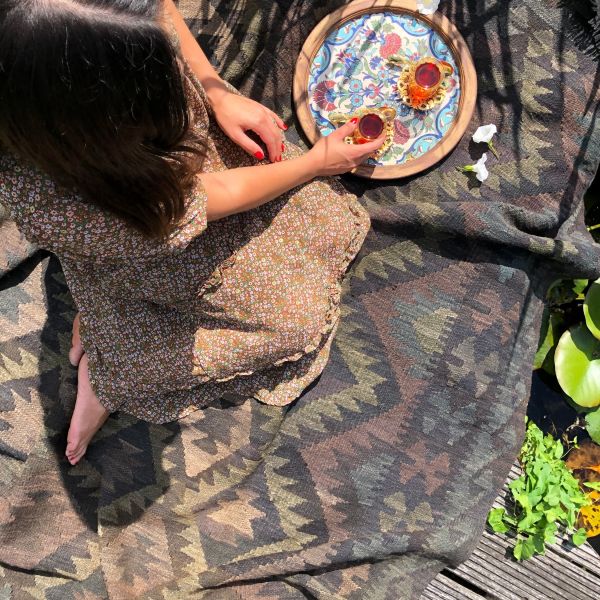
Among the best-known woven rugs are Kilims and other traditional flatweaves. They are created using intricate weaving techniques and are often distinguished by geometric patterns, clean lines, and a lightweight, flexible structure.
Especially popular are the different types of Kilim rugs, each with its own unique character depending on origin, color palette, and design:
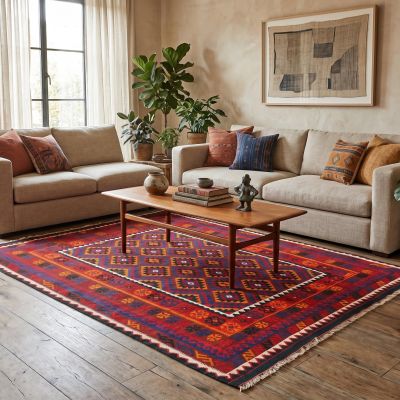
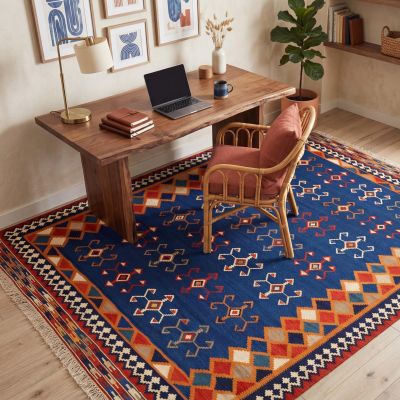
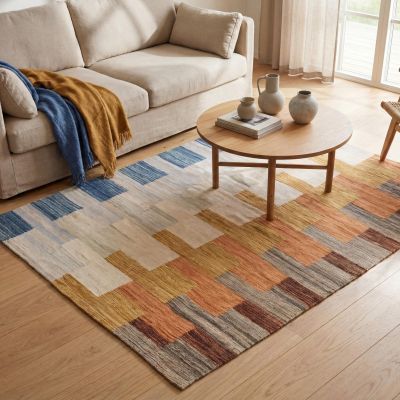
Woven rugs stand out above all for their lightweight and flexible structure. Thanks to the special weaving technique, flatter rugs are created that can be used in many ways and easily integrated into a wide range of interior styles.
Their natural and authentic look is especially distinctive. The visible weave gives many woven rugs a handcrafted lightness that makes rooms feel warm while still looking modern.
Woven rugs are also extremely versatile in terms of design. The range of styles extends from traditional Kilims with oriental patterns to modern designs with clean lines and subtle colors.
Hand-knotted rugs are created by manually tying individual knots onto a rug foundation. This traditional technique is one of the oldest and most intricate forms of rug making and has been practiced for centuries in regions such as Persia, Anatolia, India, and the Caucasus.
Unlike woven rugs, the pattern is not created by interlacing threads, but by thousands of individual knots carefully tied by hand. This creates a richly textured surface with distinctive depth and detailed ornamentation.
Many hand-knotted rugs are made from natural materials such as virgin wool, cotton, or silk. The combination of traditional craftsmanship, high-quality fibers, and precise knotting techniques gives each rug its unique character.
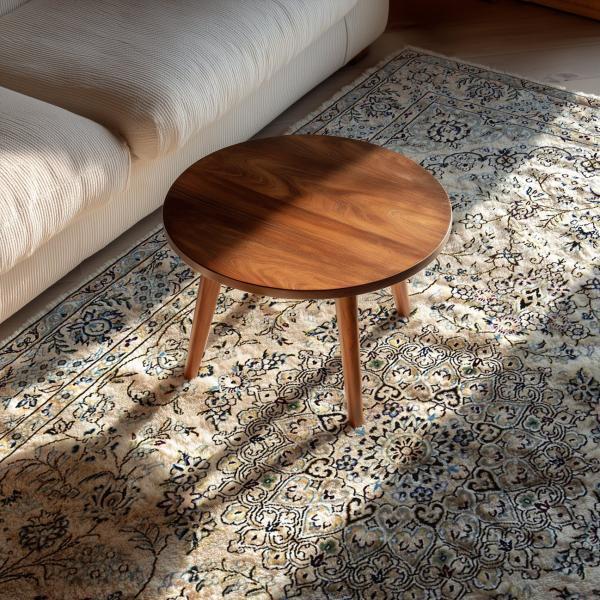
Making a hand-knotted rug requires an exceptional amount of time, precision, and craftsmanship. Unlike woven rugs, every single knot is tied by hand, which means even smaller rugs can consist of thousands of carefully tied knots.
Highly detailed patterns make the knotting process even more complex. Colors, ornaments, and lines must be executed with precision so the design looks harmonious and balanced. Even small deviations can change the overall appearance, which is why this work demands a high level of concentration and experience.
Knot density also plays an important role. The finer a rug is knotted, the more knots are used and the more intricate the production becomes. This is why especially high-quality rugs are often created over the course of many months.
In addition to technical precision, traditional knowledge is also part of the art of rug knotting. Many techniques, patterns, and production steps have been passed down for generations, making hand-knotted rugs a true expression of genuine craftsmanship to this day.
Among the best-known hand-knotted rugs are traditional Persian rugs from regions such as Tabriz, Isfahan, and Nain. Each place of origin has its own knotting tradition, distinctive patterns, and a unique design signature.
These regional differences are exactly what make hand-knotted rugs so diverse and give them their individual character.
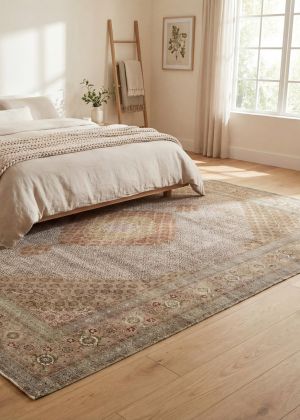
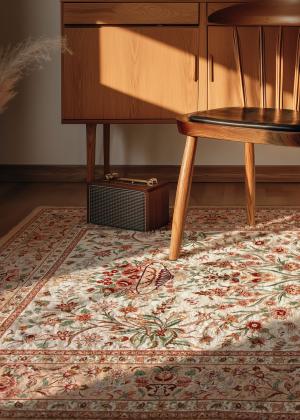
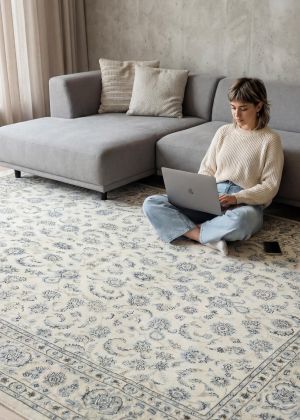
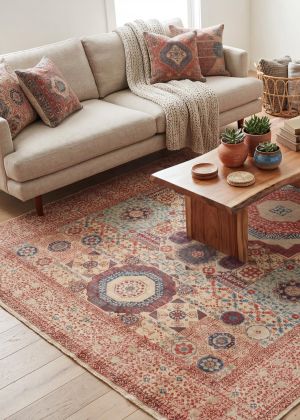
Hand-knotted rugs have a distinctive look and feel, created above all by their traditional knotting technique. The many individual hand-tied knots give them not only a unique texture, but also greater depth and character.
Because of their dense knotting, hand-knotted rugs often appear more compact and textured. Their surface frequently has a noticeable sense of depth that makes the rug look especially high-end.
The precise handcraftsmanship allows for fine ornaments, intricate patterns, and harmonious color transitions. Especially with a high knot density, richly detailed designs are created with a clear and elegant appearance.
No hand-knotted rug is exactly like another. Small differences in texture, pattern, or color shades are considered a sign of genuine craftsmanship and give each rug its own unique character.
Thanks to traditional production methods and the use of natural materials, many hand-knotted rugs are considered especially durable and long-lasting. High-quality rugs in particular often complement a wide range of interior styles and furnishings for many years.
Both woven and hand-knotted rugs are based on traditional craftsmanship, but they differ significantly in their production technique, structure, and overall effect in a room. While woven rugs are created by interlacing warp and weft threads, hand-knotted rugs are made by tying individual knots by hand.
These different techniques influence not only the look of a rug, but also its feel, structure, and character. Woven rugs often appear flatter, lighter, and more flexible, while hand-knotted rugs typically have a denser surface and greater visual depth.
The visual effect is different as well. Woven rugs often stand out with clean lines, geometric patterns, and a natural lightness. Hand-knotted rugs, on the other hand, often appear more detailed, textured, and especially expressive.
Which type of rug is the better fit ultimately depends less on “better or worse” and more on your personal interior style, the desired look and feel in the room, and your individual preferences.
| Feature | Woven Rugs | Hand-Knotted Rugs |
|---|---|---|
| Production Technique | Weaving technique | Knotting technique |
| Structure | Flat and flexible | Denser and more textured |
| Surface | Usually smooth | Often textured |
| Weight | Often lighter | Often heavier |
| Pattern Effect | Clean and graphic | Detailed and deep |
| Character | Light and natural | Expressive and artistic |
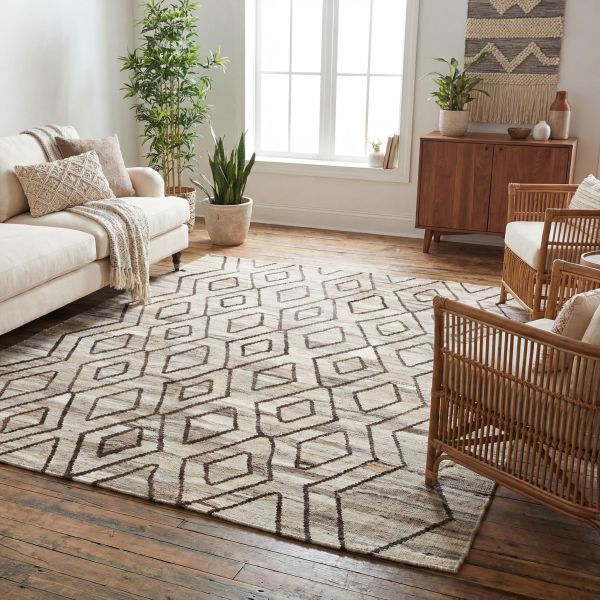
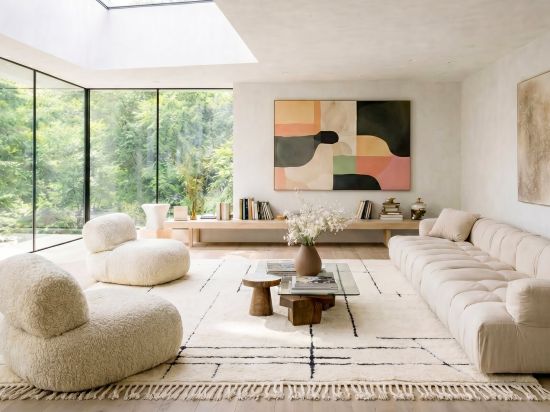
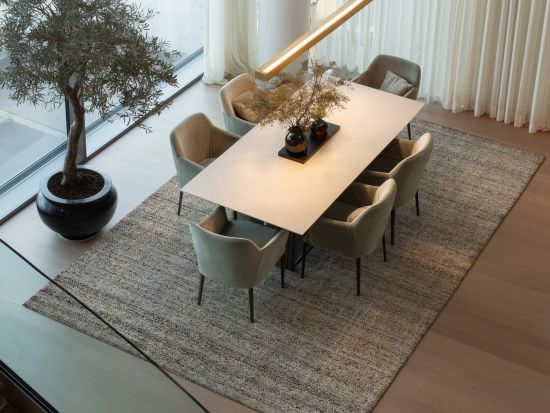
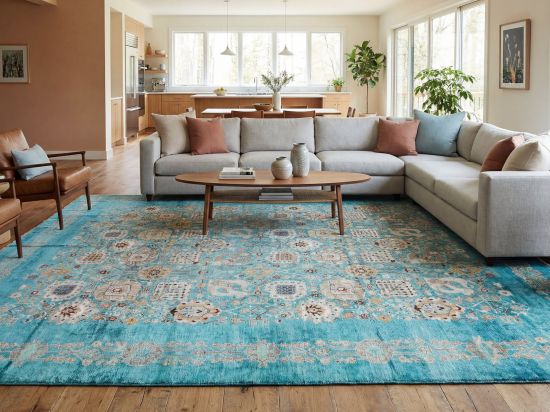
Woven rugs are an especially good fit for modern and open-concept living spaces. Thanks to their flat weave and often clean patterns, they feel light, natural, and effortless.
Woven rugs are especially popular in Scandinavian, minimalist, or boho-inspired interiors, where they create a relaxed and inviting atmosphere. Many Kilims and flatweaves also pair perfectly with the Japandi style, complementing natural materials, light colors, and clean lines.
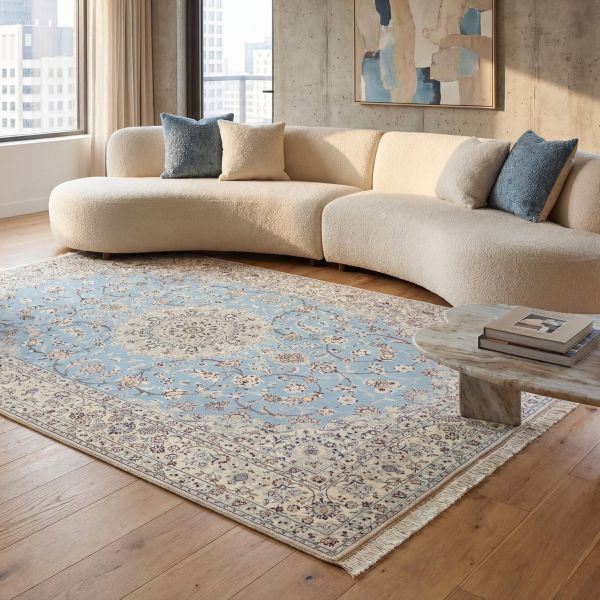
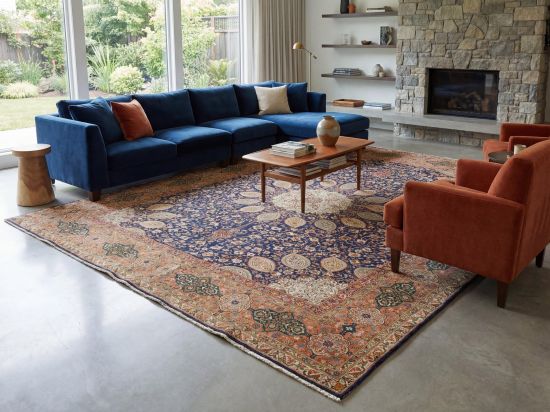
Hand-knotted rugs often have a more expressive look and richer texture. With their intricate patterns and distinctive depth, they are especially well suited for classic, elegant, or luxurious interiors.
They bring warmth, depth, and a refined atmosphere to a room. Larger hand-knotted rugs in particular are often used as a central design element and can give a space a truly distinctive character.
Woven and hand-knotted rugs do not have to be mutually exclusive. In fact, combining different textures, patterns, and techniques can make living spaces feel especially harmonious and unique.
While woven rugs often convey lightness, natural appeal, and a modern look, hand-knotted rugs bring more depth, texture, and presence to a room. This interplay creates an exciting contrast that can add more character to an interior.
Especially in modern interior design concepts, different types of rugs are intentionally combined. A flat-woven Kilim, for example, can create a light and relaxed atmosphere, while a hand-knotted rug adds targeted accents and serves as an eye-catching focal point.
The combination of traditional and modern elements also plays an important role. Different rug-making techniques often complement each other surprisingly well, creating a balanced overall look with more warmth, texture, and personality.

No. Many woven rugs are traditionally made by hand. “Woven” primarily describes the technique and does not automatically indicate the production method.
Not necessarily. A rug’s quality also depends on the material, craftsmanship, origin, and design.
Yes. Handwoven rugs made from high-quality natural materials in particular can be very durable and long-lasting.
Virgin wool, cotton, and silk in particular are considered high-quality natural fibers with a pleasant feel and long-lasting durability.
High-quality rugs are often distinguished by precise craftsmanship, harmonious patterns, natural materials, and a pleasant texture.