31-day returns policy Free delivery & returns More than 95,000 unique rugs Since 1998: Your expert in hand-knotted oriental rugs

Anniversary Sale
Save up to 20% – even on already discounted rugs!

Uniq Rugs

How to Identify a Real Oriental Rug: A Guide to Spotting Fakes

Oriental rugs are known for their craftsmanship, beauty, and cultural value. However, the market is full of fakes and machine-made rugs that attempt to imitate these handcrafted masterpieces. If you're interested in purchasing an oriental rug, it's crucial to know how to identify a genuine rug. Below, we provide you with a practical guide to spotting fakes so you can ensure that you acquire a true piece.
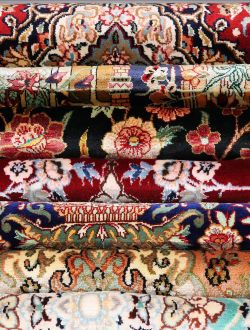
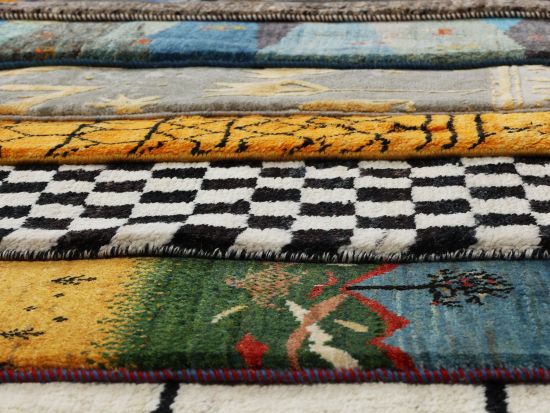
Close-up of two rows of carpets: Comparison of Oriental rugs and modern carpet backs.

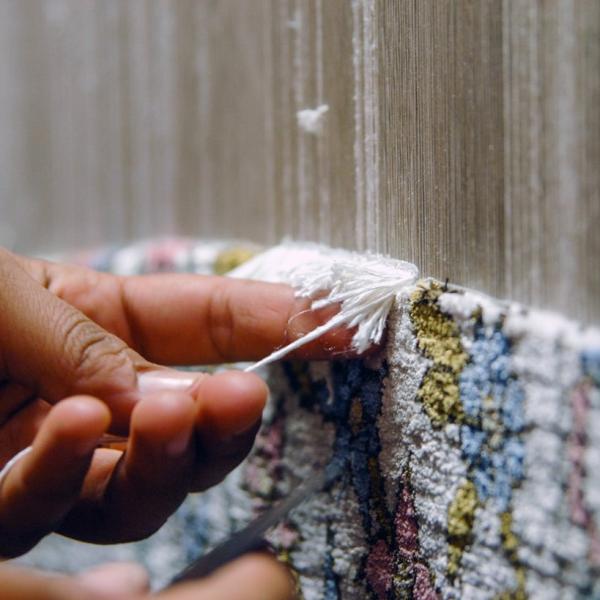
Hand-knotting of carpets – Close-up of the manufacturing process of a high-quality Persian rug

The manufacturing technique: Handmade vs. machine-made

One of the most obvious signs of the authenticity of an Oriental rug is whether it is handmade or machine-made. Handmade rugs, known for their intricate craftsmanship, often exhibit small irregularities that make each piece unique. When examining an Oriental rug, you should pay attention to the back of the rug. In a handmade Oriental rug, the pattern is clearly visible on both the front and back, indicating that the knots were tied by hand. Machine-made rugs, on the other hand, often have a stiff backing and a less detailed pattern. Hand-knotted Oriental rugs also show slight variations in the size and position of the knots, as each knot is tied manually. If the design is too perfect or the knots are identical, it is likely a machine-made rug.
The materials: Natural fibers vs. synthetic fibers

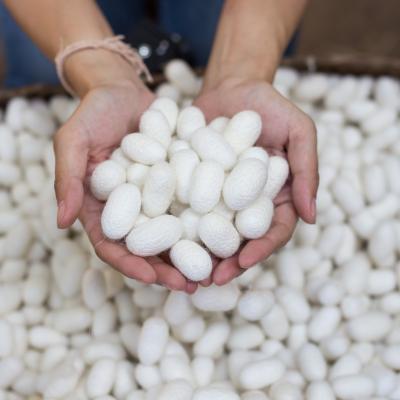
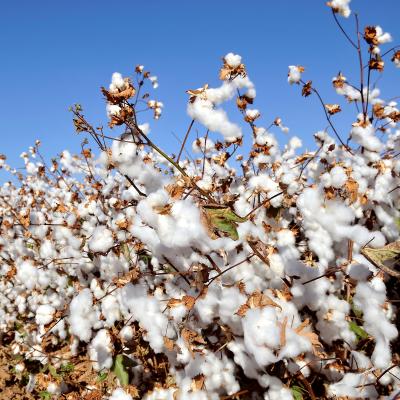
Real Oriental rugs are made from natural materials such as wool, silk, and cotton. These materials are not only valued for their durability but also for the depth and vibrancy they add to the rug's colors. High-quality wool feels soft but also has a slightly rough texture. It is a resilient material that withstands daily wear and tear. If the rug feels too soft or "plastic," there is a chance it is made from synthetic fibers. Silk, a luxurious and shiny material, is used in high-quality Oriental rugs. To determine if a rug is made of real silk, you can rub a small fiber between your fingers. Natural silk generates slight warmth through friction, while synthetic fibers do not.
Silk cocoons in two hands – raw material for high-quality silk carpets

Mature cotton field with white fibers, the basis for warp and weft threads of oriental carpets.

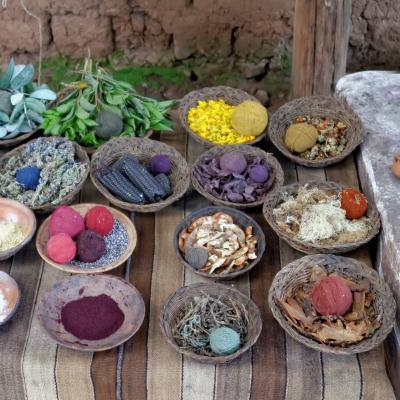
Baskets with plant-based natural materials for dyeing carpet wool

The Design

The design of a genuine Oriental rug is another important aspect. Traditional patterns are often inspired by natural elements such as flowers, leaves, animals, and landscapes. These designs are not only aesthetically pleasing but also carry deep cultural significance. A handmade Oriental rug is not always perfectly symmetrical. Small irregularities in the design are normal and indicate that the rug was knotted manually. In contrast, machine-made rugs are often perfectly symmetrical, which points to industrial manufacturing. Genuine Oriental rugs also feature very detailed and complex patterns. If the design appears blurred or unclear, it is likely a low-quality counterfeit.
Handcrafted Turkish silk carpet Hereke with intricate pattern in blue, gold, and cream.

Colorful wool strands hung up to dry after traditional dyeing.

The Colors: Natural vs. Synthetic Dyes

The colors of a genuine Oriental rug are vibrant and long-lasting thanks to the natural dyes used in their production. These dyes, often derived from plants, minerals, and insects, are a hallmark of authentic rugs. Oriental rugs dyed with natural dyes often exhibit slight color variations that add character and depth to the design. In contrast, rugs dyed with synthetic dyes tend to have more uniform colors. A simple way to test the quality of the dye is to rub a small area of the rug with a damp cloth. If the color transfers to the cloth, it is likely that inferior or synthetic dyes were used. A high-quality Oriental rug should not easily shed color.

The Origin: Certificate of Authenticity

A genuine Oriental rug is often accompanied by documentation that confirms its origin, especially if it comes from well-known rug regions such as Persia (Iran), Turkey, the Caucasus, or India. These certificates not only confirm the authenticity of the rug but can also provide information about the specific region and the craftsman who made the rug. While not all antique rugs come with such documentation, newer rugs often include a certificate of authenticity. If you find an Oriental rug without any documentation, it is advisable to consult an expert to verify its authenticity.
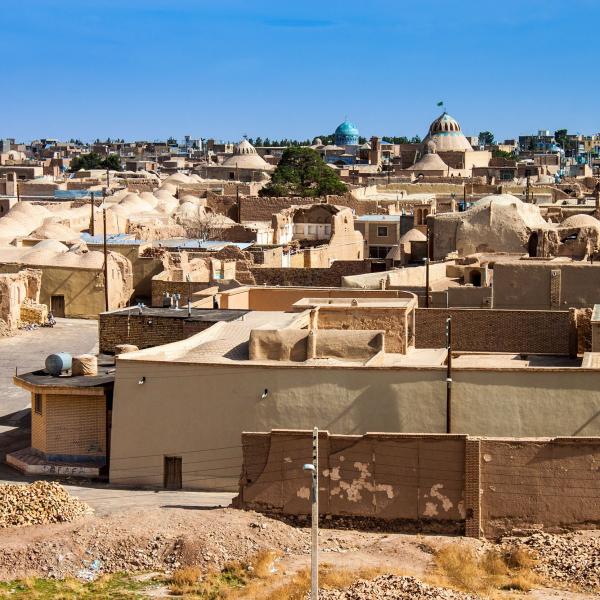
Traditional mud architecture of the old town of Yazd in Iran - UNESCO World Heritage Site