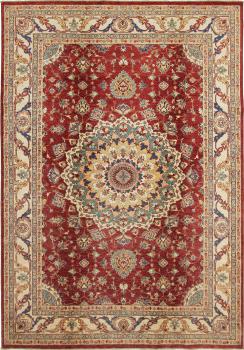
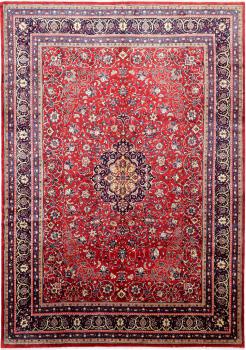
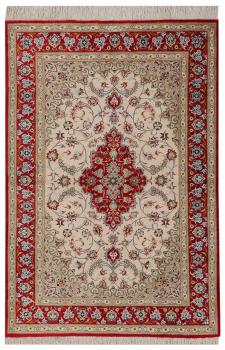
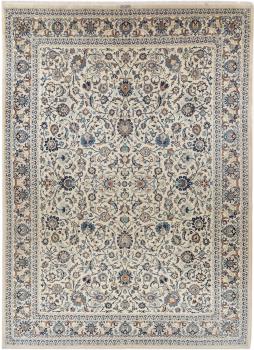
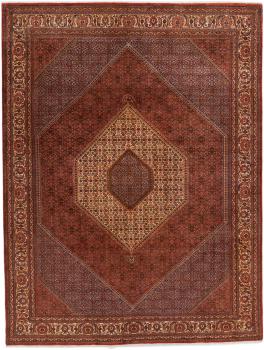
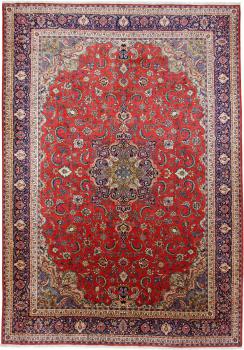
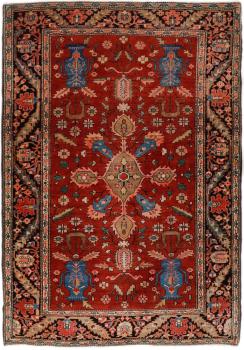
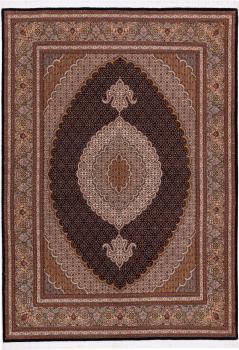
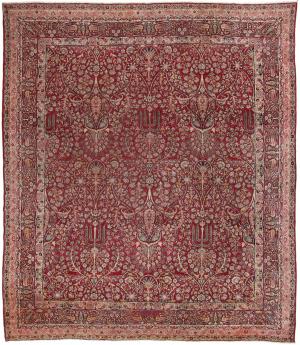
Anniversary Sale
Save up to 20% – even on already discounted rugs!


Did you know that Oriental rugs are over 2,500 years old? Their roots lie in Central Asia, Persia - modern-day Iran - Turkey, India, China, and the Caucasus. In the past, rugs were not just beautiful to look at; they helped keep nomadic tents warm and made them a bit cozier.
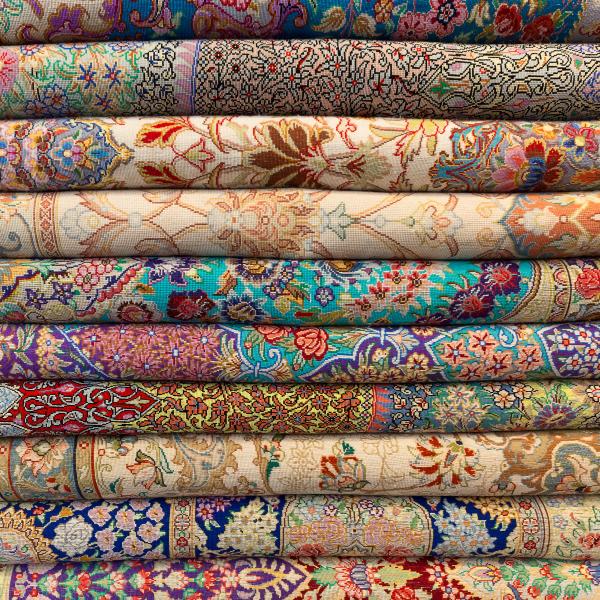
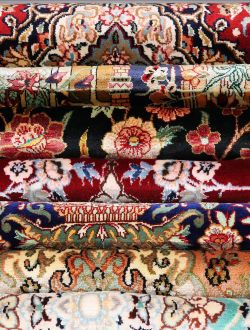
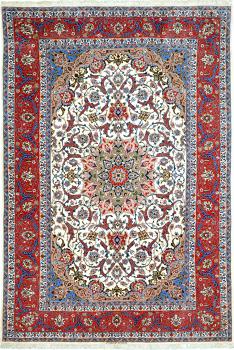
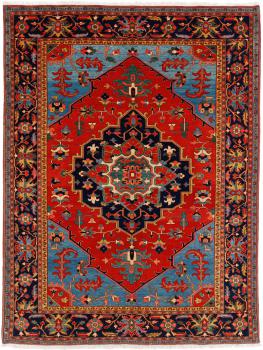
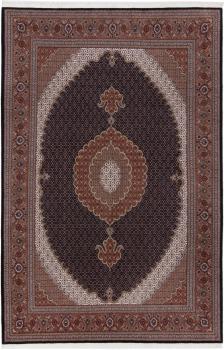
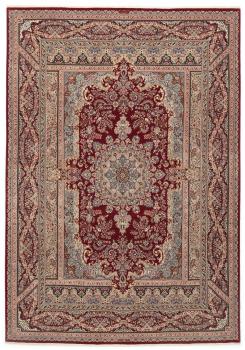
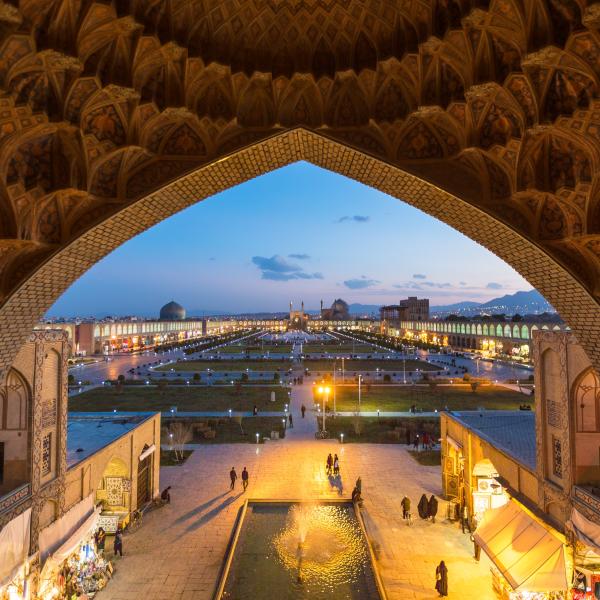
The oldest known rug, the Pazyryk rug from the 5th century B.C., already shows how intricate the early patterns were. Each region developed its own style over the centuries. Persian rugs from Isfahan, Kashan, Tabriz, or Nain impress with floral and geometric designs, while Turkish rugs from Hereke or Konya stand out for their bold colors and symmetrical patterns.
And you quickly realize: Each pattern tells a story. Flowers often represent paradise, while geometric shapes symbolize protection and harmony. Starting in the 16th century, Oriental rugs made their way to Europe, becoming luxurious treasures that adorned palaces and elegant homes. Even today, workshops, nomadic tents, and manufacturers keep these traditions alive.
The production of an Oriental rug requires patience and experience, and yes, sometimes a whole lot of love for detail. First, wool, silk, or cotton is cleaned, spun, and dyed with natural dyes such as indigo, pomegranate peels, or walnut shells.
Then the knotting begins, and here the diversity shows:
The knotting technique is crucial: the Persian Senneh knot allows for intricate details, while the Turkish Ghiordes knot is particularly sturdy. Depending on the size, pattern, and material, a rug can take months or even years to complete. Each rug is a true one-of-a-kind, handmade, with tradition and passion.
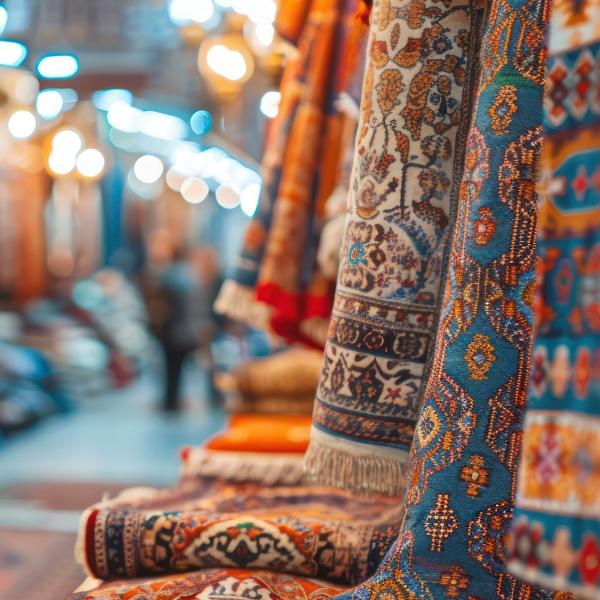
The production of an Oriental rug requires patience and experience, and yes, sometimes a whole lot of love for detail. First, wool, silk, or cotton is cleaned, spun, and dyed with natural dyes such as indigo, pomegranate peels, or walnut shells.
Then the knotting begins, and here the variety shows:
The knotting technique is crucial: the Persian Senneh knot allows for intricate details, while the Turkish Ghiordes knot is particularly stable. Depending on the size, pattern, and material, a rug can take months or even years to complete. Each rug is a true one-of-a-kind, handmade, with tradition and passion.
The production of an Oriental rug requires patience and experience, and yes, sometimes a whole lot of love for detail. First, wool, silk, or cotton is cleaned, spun, and dyed with natural dyes such as indigo, pomegranate peels, or walnut shells.
Then the knotting begins, and this is where the diversity shows:
The knotting technique is crucial: The Persian Senneh knot allows for intricate details, while the Turkish Ghiordes knot is particularly stable. Depending on the size, pattern, and material, a rug can take months or even years to complete. Each rug is a true one-of-a-kind, handmade, with tradition and passion.

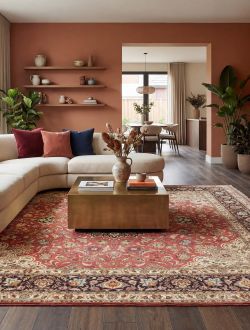
Choosing an Oriental rug is like a little journey: you search for the perfect mix of style, space, and personal taste:
How can you actually recognize a high-quality Oriental rug? It is primarily about the material, knot density, precision, and craftsmanship:
An Oriental rug is much more than just a decorative piece. With proper care, it can become a valuable family heirloom and be passed down through generations.