31-day returns policy Free delivery & returns More than 100,000 unique rugs Since 1998: Your expert in hand-knotted oriental rugs

Black Weeks – Exclusive 20% off all rugs
Discover distinctive rugs for a home with character. Enjoy 20% off our entire rug collection during Black Weeks.
Discount code: BLACK20
Uniq Rugs

Why Are Persian Rugs Becoming Increasingly Rare?

BY LAURA, RUG EXPERT AT UniqRugs | PUBLISHED: 2026-06-30 | 6 MIN READ

A craft with centuries-old tradition

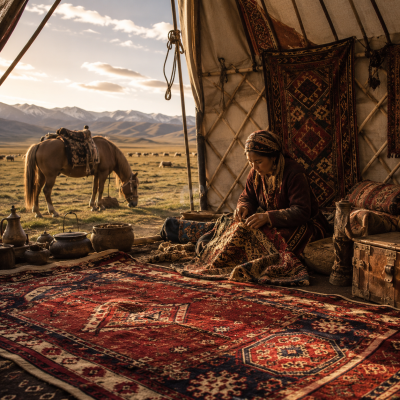
The art of rug weaving in Persia dates back thousands of years and is one of the country’s most important cultural traditions. Over generations, techniques, patterns, and motifs have been carefully passed down and continuously refined. Every hand-knotted Persian rug combines traditional craftsmanship, artistic precision, and cultural heritage—qualities that still make it a distinctive home furnishing piece today.
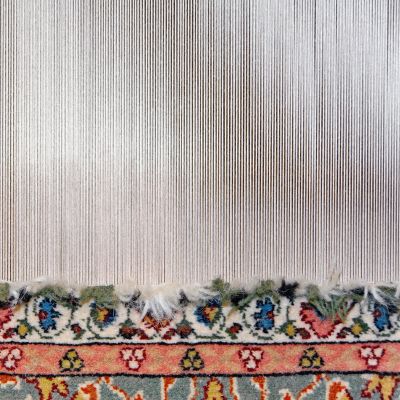
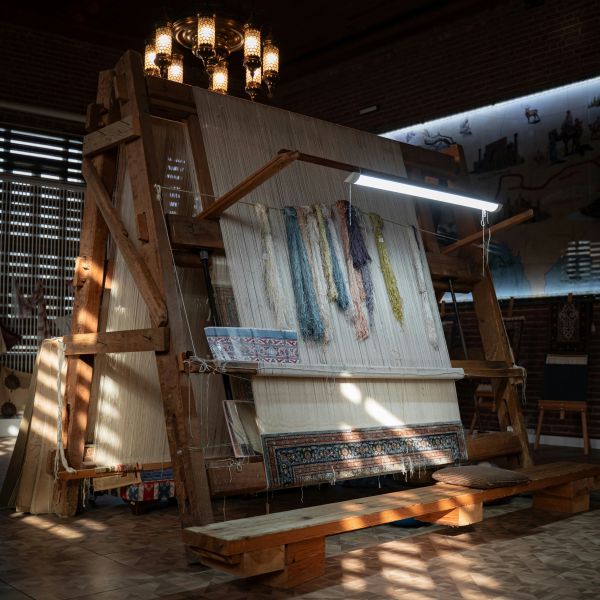
Traditional loom for hand-knotted oriental rugs

Fewer and fewer rug weavers

Fewer and fewer Iranians are choosing a job in one of the country’s oldest crafts. Rug weaving requires a high level of patience and a great deal of experience. On top of that, there are often the physical strains of delicate work at the looms.

An Iranian saying goes, “May your hands never hurt.” Fewer and fewer young people entering the weaving trade also means rising wages in this craft, because the lower the supply, the higher the price. And this is having an effect on the historic market for Persian rugs.

Prices have doubled over the last decade. Manufacturing costs for the highest quality can reach up to €4,000 per square meter. Even if this may be an extreme example, the price shows: Persian rugs are not cheap mass-produced goods, but always a piece of hand-knotted art.

This centuries-old craft can now be found in only a few countries around the world. In Iran, it is considered one of the country’s most important crafts. But skilled artisans in Nepal and India, as well as in Pakistan and Afghanistan, also spend months at a time knotting high-quality rugs.
Persian rugs as family heirlooms

A high-quality hand-knotted Persian rug is often more than just a home accessory – it stays with families for generations. Thanks to its careful craftsmanship and premium natural materials, it can last for many decades with proper care. It is not uncommon for Persian rugs to be passed down within the family, uniquely connecting memories, tradition, and timeless craftsmanship.
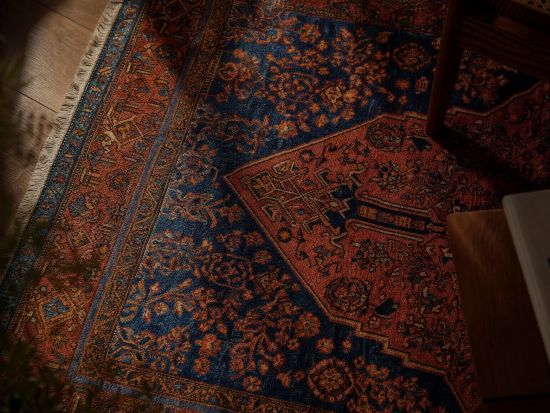
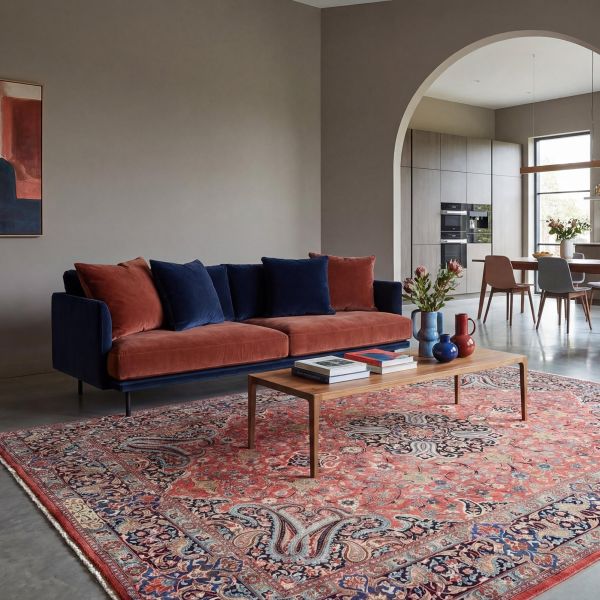
Classic Persian rug in the living room with a floral pattern

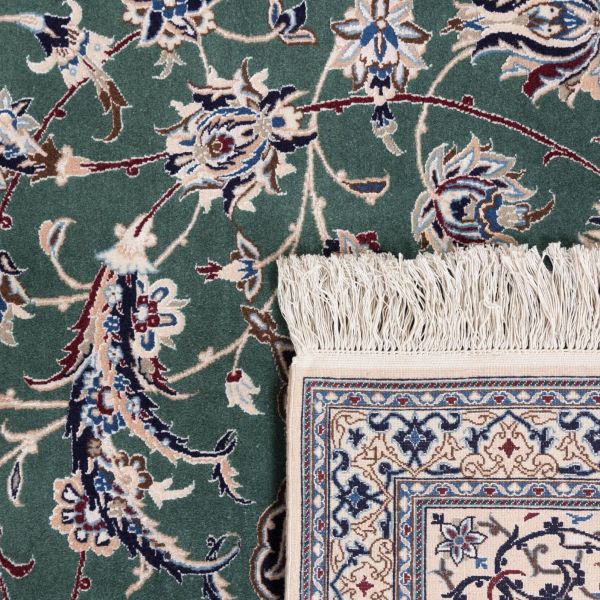
Close-up of a hand-knotted Persian rug with a floral pattern

Why Is Every Persian Rug One of a Kind?

Every hand-knotted Persian rug is crafted with meticulous handwork, making each one unique. Even when made from the same design, the knotting process creates slight variations in pattern, color shading, or shape. These subtle differences are exactly what give a genuine Persian rug its distinctive character and highlight its authenticity as well as the craftsmanship found in every single piece.

Famous Persian Rug Regions

Region Characteristics
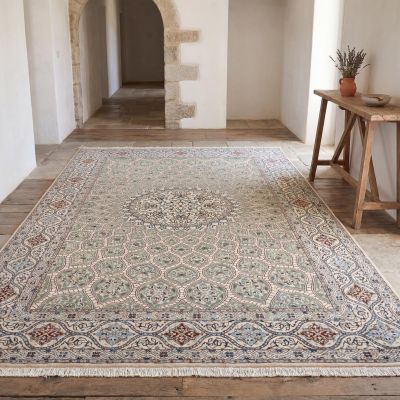
Nain Fine knotting, light colors, and elegant floral patterns.
Tabriz Wide variety of designs and richly detailed ornaments.
Isfahan Especially high-quality craftsmanship and intricate patterns.
Qom Often made with silk and known for their exceptional sheen.
Kashan Classic medallion patterns and harmonious color combinations.
Bidjar Very durable, long-lasting rugs with dense knotting.

Formerly a decorative status symbol

In the past, oriental rugs adorned palaces and the homes of wealthy citizens. They simply served as a status symbol. Everyone wanted a genuine Persian rug in the living room. Authentic only with a certificate and a high knot density.

It was not until 1873 that Sheikh Naser ad-Din brought the Persian rug to fame. His opulent lifestyle, together with the rugs, left a lasting impression on his contemporaries. You could call him an influencer of the 19th century.

But after about 100 years of success, demand declined, along with a somewhat outdated image. The younger generation wanted to move away from their parents’ style of decor and try something completely new.
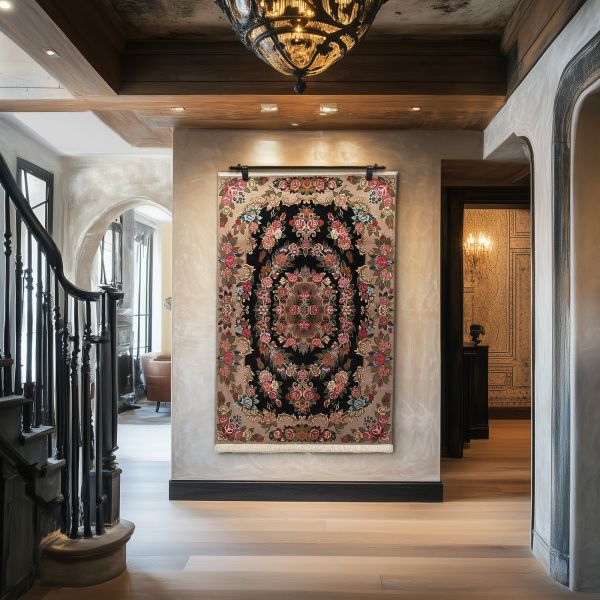
 
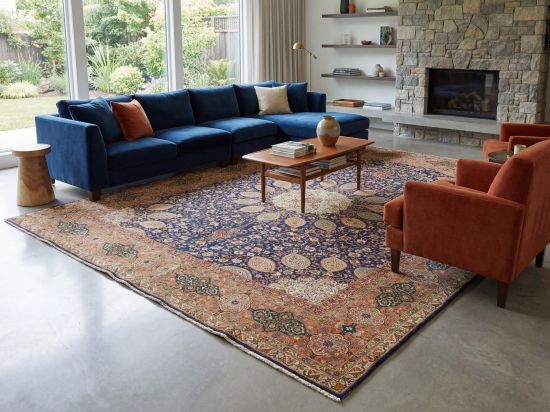
Classic Persian rug with a medallion pattern in an elegant living room

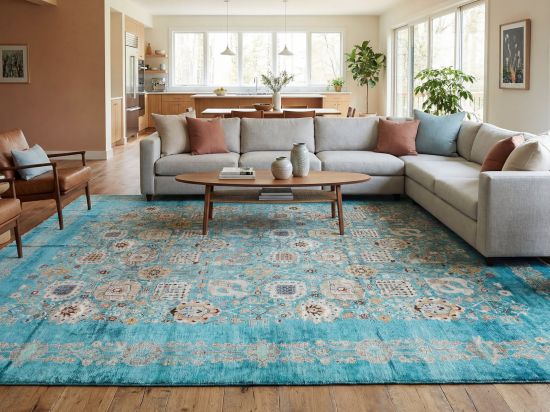
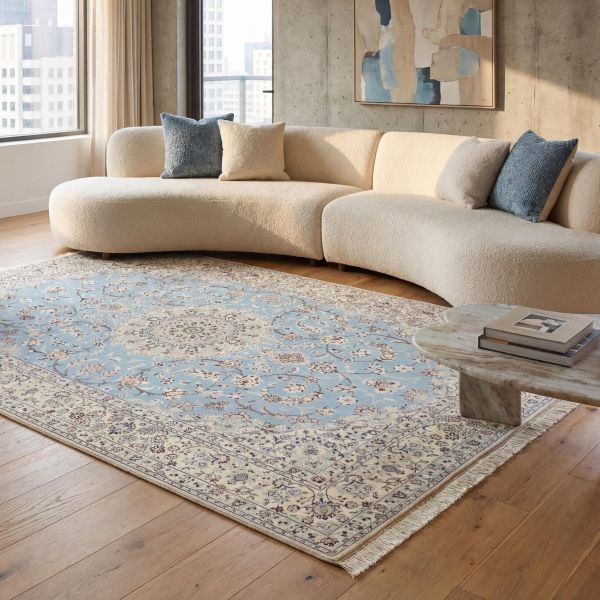
Elegant Nain rug in a modern living room in light blue

Persian Rugs Through the Ages

Today, Persian rugs are making a real comeback. While they used to be associated mainly with classic interiors, more and more interior designers and design enthusiasts now embrace the striking contrast between modern furniture and traditional rugs. Whether in a minimalist, Scandinavian, or industrial style home, a hand-knotted Persian rug adds warmth, character, and individuality to any space. As a result, it is no longer just a symbol of tradition, but also a popular design element in modern interior concepts.

Why is it worth buying a Persian rug today?

A hand-knotted Persian rug is far more than a decorative home accessory. As genuine Persian rugs become increasingly rare, they offer a special sense of exclusivity. Their timeless design complements both classic and modern interiors and often stays with its owner for decades. Thanks to high-quality natural materials, meticulous craftsmanship, and exceptional durability, a Persian rug is a sustainable choice that can also be passed down to future generations.

Persian Rugs and Sustainability

A hand-knotted Persian rug is a sustainable choice for a stylish home. It is made from natural materials such as virgin wool, cotton, or silk and is designed to last for decades. Unlike many mass-produced rugs, a high-quality Persian rug does not need to be replaced regularly. Its durability and timeless look help conserve resources and promote more mindful consumption.
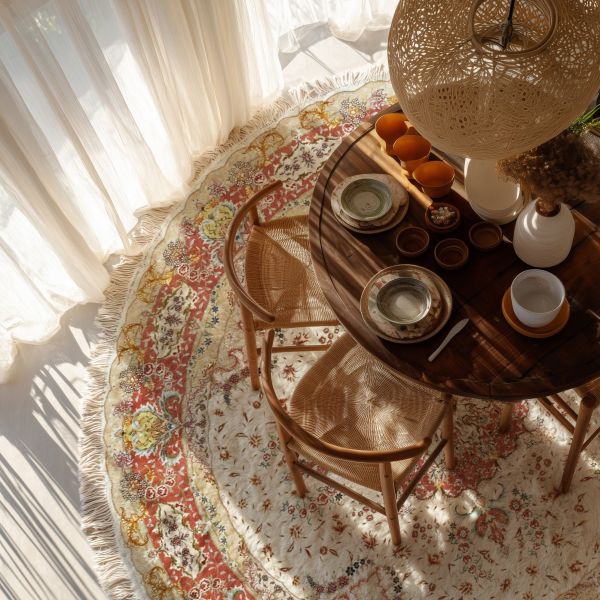
Round Persian rug in the dining room with floral patterns

Frequently Asked Questions About Persian Rugs

What is the difference between Persian rugs and Oriental rugs?

All Persian rugs are Oriental rugs, but not every Oriental rug comes from Persia, or present-day Iran. Persian rugs are distinguished by their traditional knotting techniques, regional patterns, and long history of craftsmanship.

Why are Persian rugs considered timeless classics?

Persian rugs combine traditional craftsmanship with designs that have been valued for centuries. This makes them easy to pair with both classic and modern interior styles, regardless of current decorating trends.

Which Persian rug is best for high-traffic living areas?

For living rooms, dining rooms, or hallways, especially durable Persian rugs with a dense knot count and high-quality virgin wool are an excellent choice. They are long-lasting and retain their beauty even with regular use.

Can a Persian rug improve the value and appeal of a room?

Yes. A high-quality Persian rug gives the room structure, creates a warm atmosphere, and adds a stylish focal point. This often makes the interior feel more harmonious and upscale.

Why do so many people intentionally choose a hand-knotted Persian rug?

Hand-knotted Persian rugs stand for traditional craftsmanship, high-quality natural materials, and exceptional durability. Since each piece is handmade, every rug has its own character and is truly one of a kind.
Further Inspiration

Traditional Rug Making
From Sheep to Rug Art – How It’s Made

Traditional Rug Making

The History of the Hand-Knotted Rug: 2,500 Years of Craftsmanship

The History of the Hand-Knotted Rug: 2,500 Years of Craftsmanship

Living room with hand-knotted Persian rug in shades of red
Artworks of craftsmanship

Timeless Persian Rugs