31-day returns policy Free delivery & returns More than 100,000 unique rugs Since 1998: Your expert in hand-knotted oriental rugs

Black Weeks – Exklusive 20 % auf alle Teppiche
Entdecken Sie besondere Teppiche für ein Zuhause mit Charakter. Sichern Sie sich während unserer Black Weeks 20 % Rabatt auf unser gesamtes Teppichsortiment.
Gutscheincode: BLACK20

Uniq Rugs

Oriental Rugs on the Wall: Ideas, Hanging Methods, and Decor Styles

BY LAURA, RUG EXPERT AT UNIQ RUGS | PUBLISHED: 2026-09-03 | 7 MIN READ
Oriental rug with a floral pattern used as a wall hanging

Why Hang an Oriental Rug on the Wall?

An Oriental rug on the wall is more than just decoration. It can serve as a work of art, improve room acoustics, and bring warmth and personality to a space. Hand-knotted rugs with intricate patterns are especially well suited for display as wall hangings.

Back in Style

Rugs bring color, warmth underfoot, and a welcoming feel to your home. A well-chosen rug also adds style and complements your interior. While rugs are typically used on floors here, in other parts of the world they are often displayed on walls. A rug on the wall? Absolutely. Wall decor doesn’t have to be a painting or photograph—a rug can be a beautiful alternative. There are a few things to consider, though. In our latest article, you’ll learn how to hang a rug on a wall and what to keep in mind.
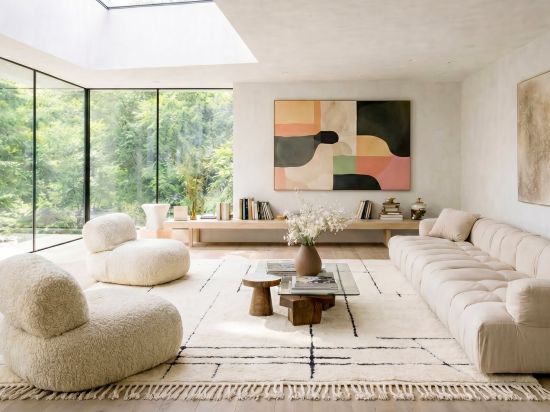
Bright room with a rug as wall decor

Which Rugs Work Well as Wall Hangings?

Silk rugs are particularly well suited to display as wall hangings, as their fine materials and intricate patterns give them the character of a work of art. Their natural sheen brings out the richness of the colors and decorative motifs, often making them even more striking on a wall than on the floor. Hand-knotted silk rugs with a high knot density are especially popular as decorative wall hangings, lending living spaces an elegant, luxurious feel.
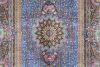
Qom rug hung on the wall in a modern living room

Qom Rugs

Qom rugs are among the most popular choices for wall hangings. Their intricate patterns, high knot density, and frequent use of silk make them true works of art. In living rooms or reception areas, they add an elegant touch and draw the eye.
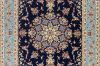
Kashmir silk rug as a decorative wall hanging

Kashmir Rugs

Kashmir rugs are known for their exceptionally fine craftsmanship and intricate patterns. Their artful designs and often silky appearance make them well suited to decorative wall displays, adding a luxurious touch to a room.
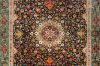
Hand-knotted Tabriz Persian rug as wall decor

Tabriz Rugs

Tabriz rugs are among the best-known Persian rugs, valued for their intricate ornamentation and high-quality craftsmanship. Displayed as wall hangings, their delicate patterns stand out, making them an elegant focal point.
Kilim wall hanging with a geometric pattern above a sofa

Kilim Rugs

Kilim rugs are particularly well suited to hanging on a wall thanks to their flatwoven construction. Their geometric patterns, bold colors, and relatively light weight offer a range of decorating possibilities. They work especially well in modern, boho-inspired, and Mediterranean interiors.

Benefits of Hanging a Rug on the Wall

An Oriental rug on the wall is more than an unusual decoration. It brings together art, craftsmanship, and a sense of comfort, giving a room a distinctive atmosphere.


  • Distinctive wall decor: Hand-knotted rugs with intricate patterns and high-quality materials make an individual artistic statement when displayed on a wall.
  • Improved room acoustics: Rugs can absorb sound, helping to reduce echoes and unwanted noise in a room.
  • Added warmth and comfort: A wall rug brings texture, warmth, and a cozy feel to the room.
  • Protection from floor wear: Displaying particularly valuable or antique rugs on a wall can help protect them from wear while showcasing their beauty.
  • Art with a cultural history: Through their patterns, colors, and symbols, many Oriental rugs tell stories of the regions they come from and reflect centuries-old craft traditions.

What Size Rug Works Best as a Wall Hanging?

Rug Size Recommended Use
Up to 100 × 100 cm Ideal as a decorative accent in small rooms or on gallery walls.
100 × 150 cm Suitable for bedrooms, hallways, or smaller living spaces.
150 × 200 cm A popular size for living rooms and dining areas.
200 × 300 cm A large wall hanging with a distinctive visual impact.
Over 300 cm in length Ideal for tall walls, reception areas, or formal spaces.
Elegant oriental rug as wall decor

Which Rooms Benefit from a Rug on the Wall?

While rugs can add attractive accents to the floor in any living space, displaying them on a wall can be more challenging in small rooms, where their size may feel overwhelming. Larger rooms benefit most, especially when their spaciousness leaves them feeling less cozy. A rug used as a wall hanging can make the room feel more intimate while creating a calm focal point. If the idea of a rug on the wall appeals to you, you may be wondering how to hang a rug on a wall when it weighs several kg. Flatwoven rugs such as Kilims are a lighter task—quite literally—but hand-knotted oriental rugs can be considerably heavier, weighing up to 30 kg.

How to Hang a Rug on a Wall

The right hanging method depends primarily on the rug’s size, weight, and material. For valuable hand-knotted Oriental rugs in particular, choose a system that will not damage the rug over time.


Method Suitable for Advantages
Hook-and-loop tape Lightweight Kilims and small rugs Easy to attach, discreet, and easy to remove
Rug hanging rail Valuable Oriental rugs and silk rugs Even weight distribution and a professional display
Wooden strip Medium to large rugs A traditional option with good stability
Specialized wall mounts Heavy or oversized rugs High weight capacity and secure mounting

Which hanging method is best for valuable Oriental rugs?

For high-quality silk, Qom, or Tabriz rugs, experts often recommend a rug hanging rail or a professional hanging system. This distributes the weight evenly and reduces strain on the fibers. For antique or particularly valuable rugs, it may be worth having a specialist handle the installation.

What should you consider when choosing a placement?

A rug hung on a wall should not be exposed to direct sunlight for extended periods, as intense UV rays can cause its colors to fade over time. It is also best to leave enough space between the rug and radiators or other heat sources to help protect its materials over the long term.

Frequently Asked Questions About Oriental Rugs as Wall Hangings

What Rug Size Works Best on a Wall?

The ideal size depends on the available wall space and the effect you want to create. Smaller rugs work well as decorative accents, while larger rugs can serve as a focal point in the room.

Do Rugs on Walls Improve Acoustics?

Yes. Rugs can absorb sound, helping to reduce echoes and unwanted noise. A rug hung on the wall can improve room acoustics, especially in large rooms.

How Do You Clean a Wall Hanging?

Wall rugs should be dusted gently on a regular basis. For heavier soiling, professional rug cleaning is recommended to help protect the fibers and colors over time.

Are Wall Hangings Still in Style?

Yes. Wall hangings have made a comeback in recent years, with rugs displayed as decorative works of art in both modern and traditional interiors.

Can Hanging an Oriental Rug Damage It?

A rug will not be damaged if it is hung properly. The key is to distribute its weight evenly and use a suitable hanging system.

Why Are Valuable Oriental Rugs Displayed on Walls?

High-quality or antique rugs are often displayed on the wall to showcase their intricate patterns while protecting them from the daily wear of use on the floor.
More Inspiration

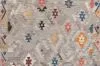
Woven oriental Kilim rugs with traditional patterns

Woven and hand-knotted rugs

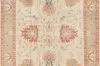
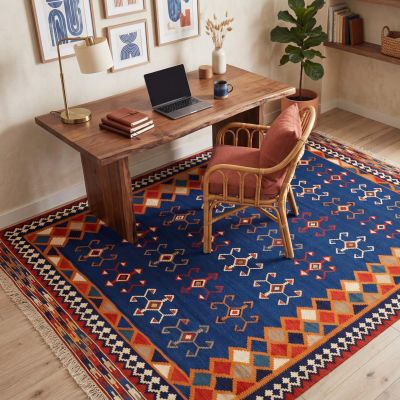
Living room with a summery kilim rug in vibrant colors

Summer Kilim Rugs

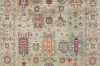
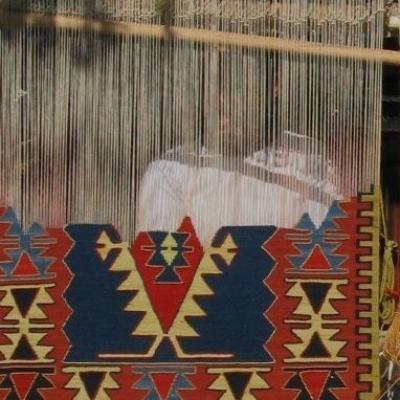
Weaving a colorful geometric kilim rug in red, blue, and yellow on the loom.
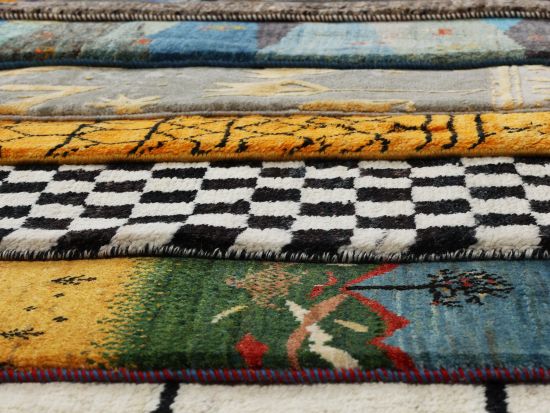
A piece of valuable handcrafted work

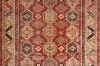
Authentic Oriental Rugs