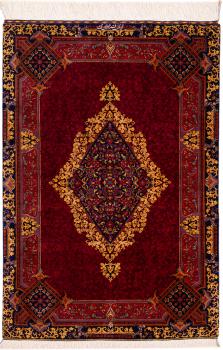
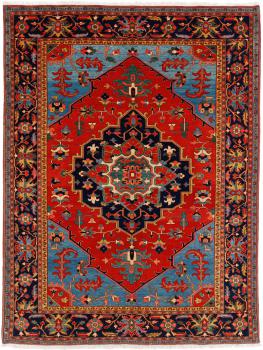
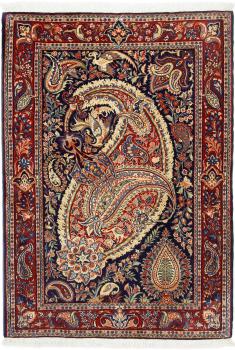
Anniversary Sale
Save up to 20% – even on already discounted rugs!
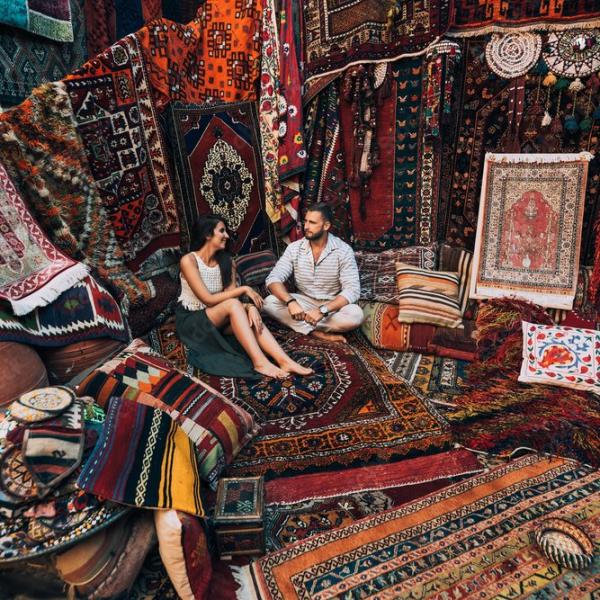
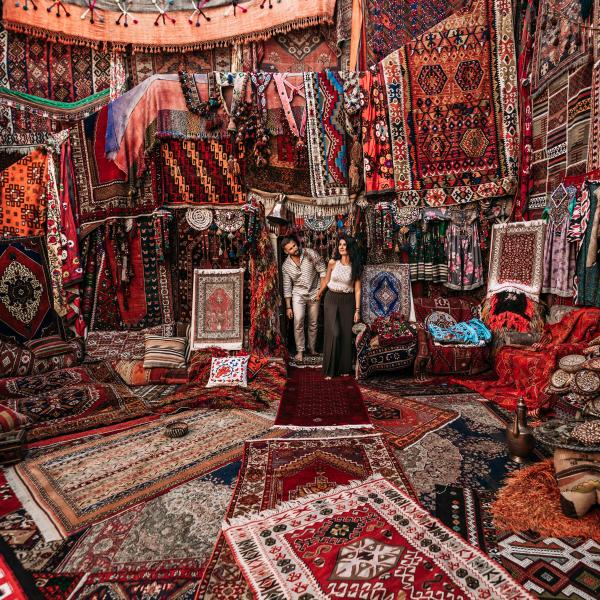
Many hundreds of years ago, nomadic rugs began to be made for everyday use. In their tents, they used these as blankets, wall hangings, or seating. The craft of rug weaving has its origins in pre-Christian times in the East.
Over time, rugs were handwoven in almost all countries of the ancient world, serving as both status symbols and for everyday use. It was not until the Middle Ages that these valuable rugs made their way to Europe, where they could be found in the homes of wealthy merchants or in the palaces of rulers.
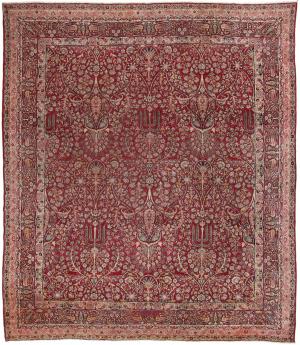
Even today, Persian and other Oriental rugs are considered precious goods that are worth their price. For example, an old Persian rug from Keshan with a provenance in Iran was auctioned at Christie’s for an astonishing seven million euros.
Oriental Rugs are hand-knotted on looms and differ significantly in quality and durability from industrially produced carpets.
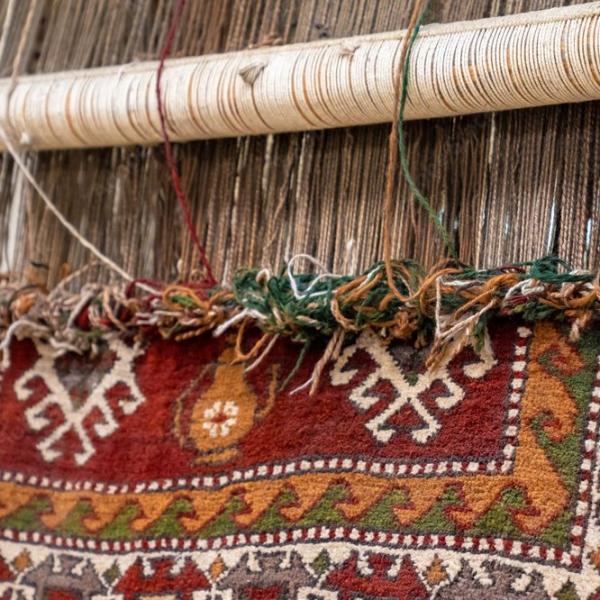
Broadly speaking, there are two types of Oriental rugs: knotted on vertical frames and woven on horizontal looms. The former are intricately knotted by hand. In this process, warp threads are inserted lengthwise and weft threads are added crosswise.
The knotters then tie their knots around the warp and weft according to the design, creating the desired pattern. Those who want to learn more about this technique can find a wide selection of hand-knotted rugs in our collection.
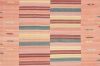
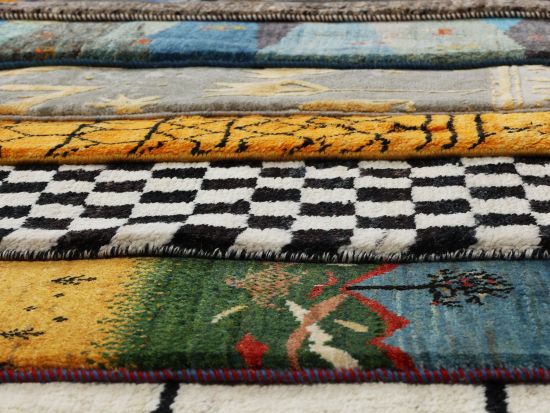
In contrast, Kilims are flat-woven on horizontal looms. These rugs made by nomads are generally coarser and significantly flatter in their construction, appearing the same on both sides, allowing for both sides to be used.
Oriental rugs come from all over the East as well as China. The finest ones are made in provinces of Iran. From there, from the Persian Empire, come the most famous and arguably the highest quality Persian rugs. World-renowned examples include Isfahan , Kashan or Nain . However, expensive rugs also come from other regions.
Hand-knotted Oriental rugs are known and valued worldwide for their durability. Hand-knotted rugs are significantly more valuable than their industrially manufactured counterparts. For the layperson, it can be somewhat difficult to determine whether a rug has been hand-knotted.
At Uniq Rugs you will find only hand-knotted original goods, so you don’t have to worry about buying a “fake.” As a traditional family business, there is direct contact with the rug weavers, providing precise knowledge about the origin of each individual rug.
In earlier times, carpet weavers used regional wool sourced from their own sheep herds. Nowadays, imported wool is also used. Naturally, there are significant differences in quality.
Particularly fine carpets are made from Merino wool, which is very soft and comes exclusively from the neck region of sheep. In simpler carpets, cotton is also used. Very high-quality carpets, on the other hand, are often made from silk.
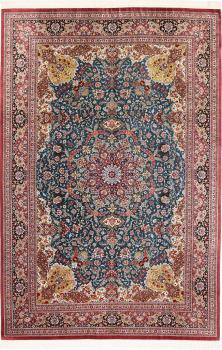
Rare silk carpets from the Iranian region Qom are famous, commanding high prices and leaving true enthusiasts in awe.
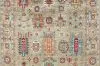
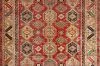
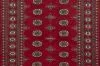
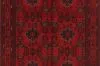
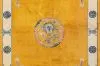
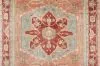
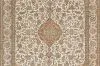
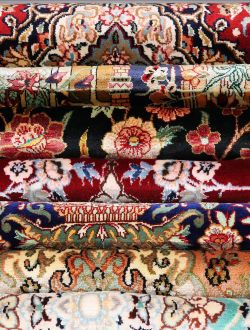
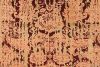
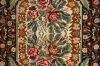
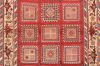
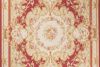
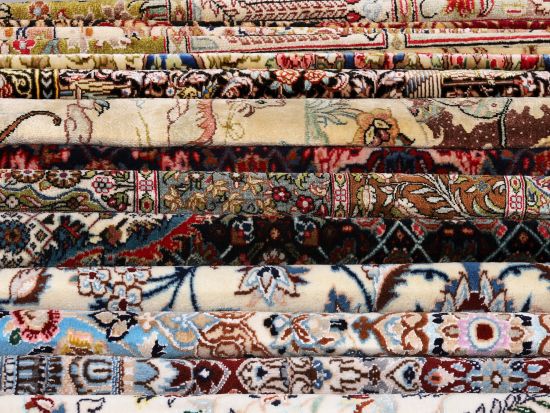
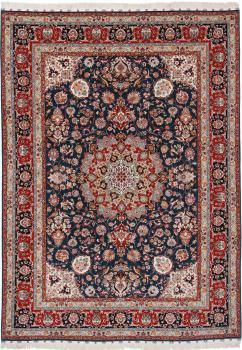
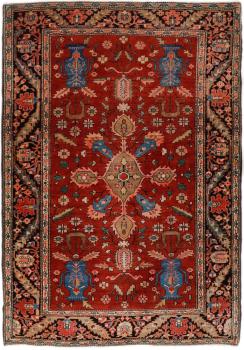
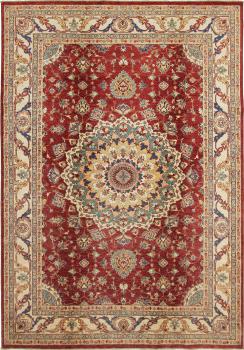
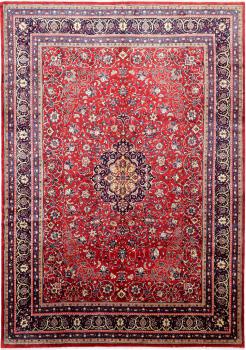
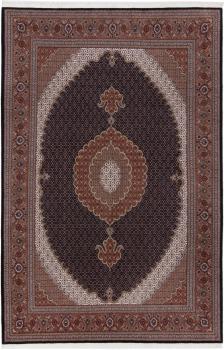
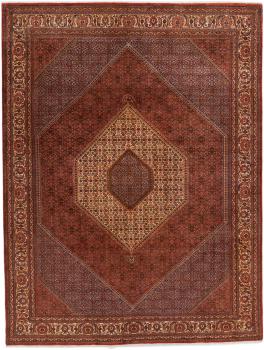
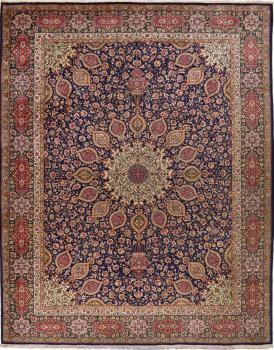
There is a wide variety of motifs and patterns on Oriental rugs. Traditional patterns are ornaments or floral and geometric representations that are knotted in an allover design and bordered by a frame. Classic central medallions can also be found frequently.
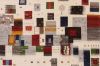
There is an almost endless abundance of patterns and colors that adorn Oriental rugs. The weavers are limited only by their imagination. Some of the most well-known patterns include the Herati pattern – a diamond enclosing a rosette – or the Boteh pattern, which resembles a curved almond.
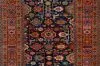
The entire spectrum of colors can be found on Oriental rugs. Traditionally, red, blue, and beige tones are common. Genuine rugs from the Orient are dyed using elaborate methods with natural materials. Synthetic dyes can be found in cheaper variants and have less color depth.
Therefore, handcrafted and original Persian rugs not only have an unbeatable lifespan, but also a wonderful and exciting color depth.
Pay attention to trustworthy dealers and certificates. Additionally, examine the carpet closely. Are there any mistakes? If so, this indicates a genuine Oriental rug. Industrially manufactured rugs are usually error-free.
Furthermore, the inexpensive rugs from the industry have fringes sewn onto the ends of the rug. Another sign of authenticity is variations in width of a rug. Genuine Persian or Oriental rugs that are hand-knotted show visible differences along their width. This is simply due to the handwork that extends over months.
Moreover, a look at the back of a rug reveals a lot about its quality. For hand-knotted rugs, one can count the number of knots per square meter. This measurement can determine the fineness, as well as the effort and therefore the value of an Oriental rug.