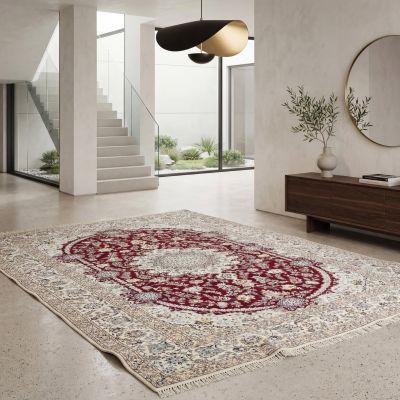
Anniversary Sale
Save up to 20% – even on already discounted rugs!

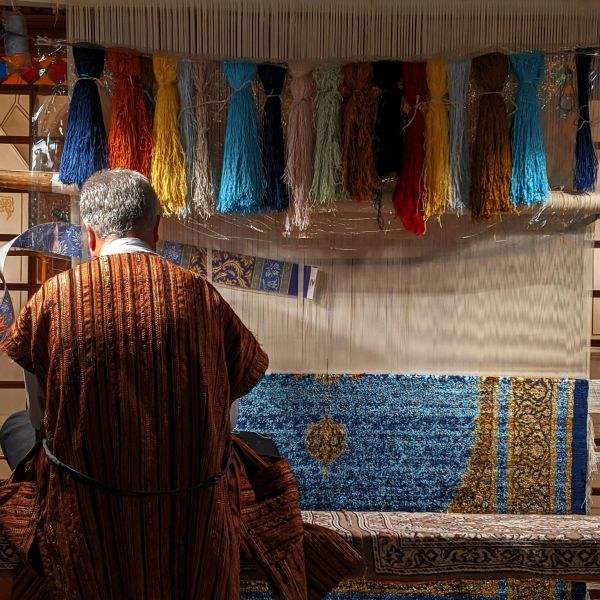
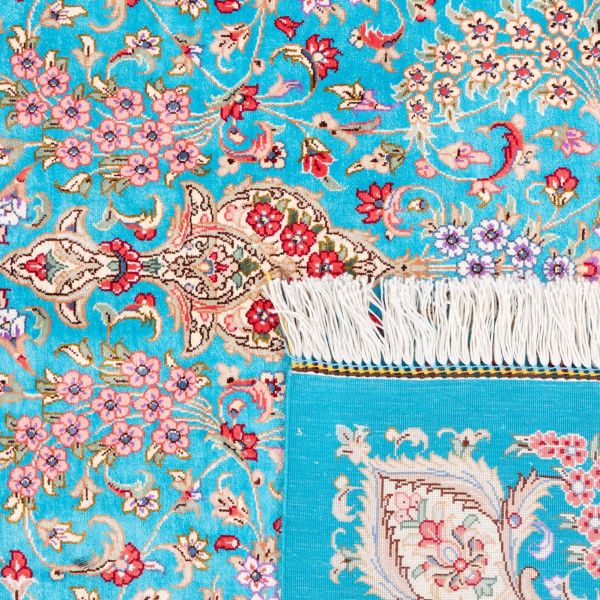
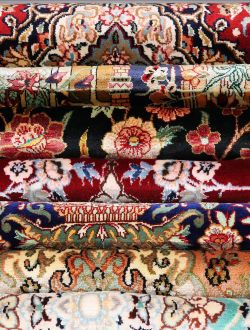
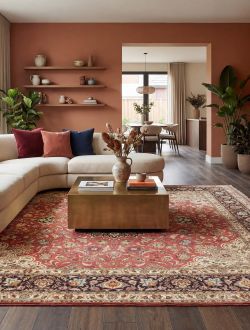
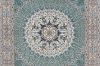
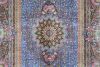
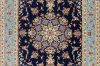
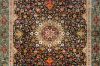
A Persian rug is much more than just a piece of furniture. It is a work of art – a woven poem of light, silence, and centuries-old tradition. Every thread carries a story, every color an emotion.
In the cities, villages, and tents of Iran, the guardians of this silent heritage live. Weavers whose craftsmanship is based on technique, dedication, and an inner rhythm. The colors come from pomegranate, indigo, walnut shells, and madder root – they smell of earth, of memory, of time.
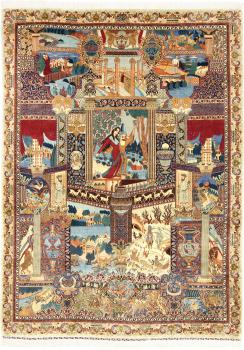
A true Persian rug is like a silent book. It tells of dreams, landscapes, myths, and ancient longing – stories of human destinies, love, faith, and loss.
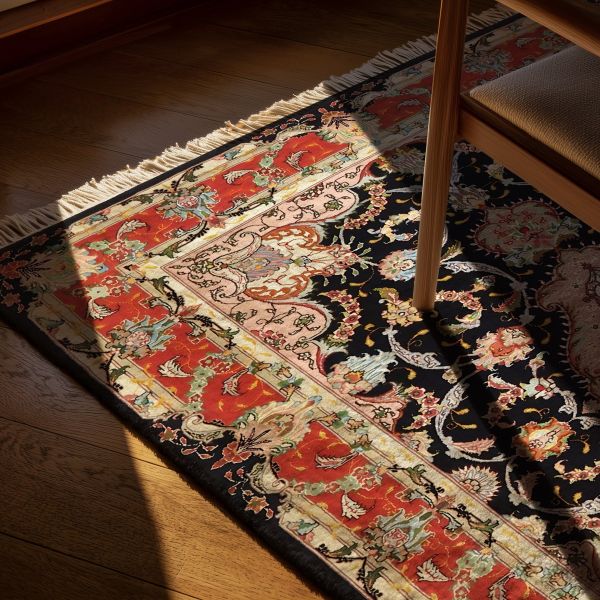
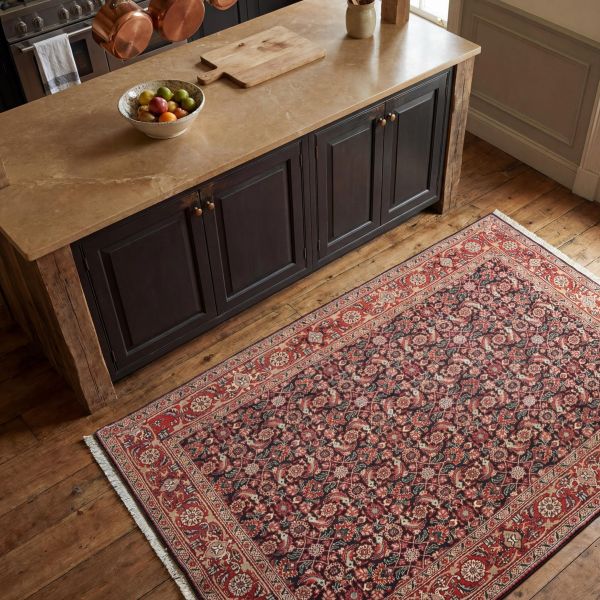
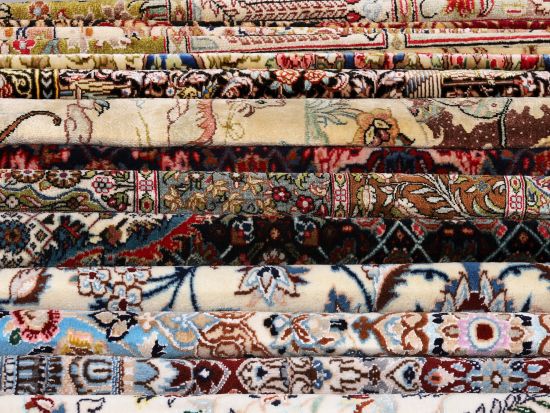
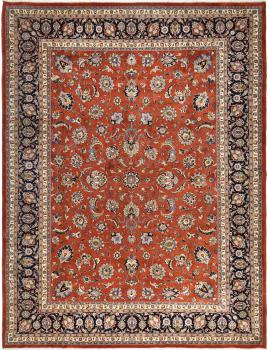
Even the colors quietly speak of inner worlds. A deep red can embody joy, courage, and the fire of the heart. Blue represents spirituality, green stands for hope, white signifies purity, black symbolizes mystery, and yellow denotes wisdom. These meanings flow invisibly into the fabric. They make the carpet a mirror of an ancient soul. Pomegranate peels dry in Kerman's sun and give the carpet's gold its shine. In Isfahan, deep indigo blue emerges on the finest silk. The nomads of Heriz extract a rich brown from walnut shells. And near Shiraz, the Qashqai dye a vibrant ruby red with madder root.
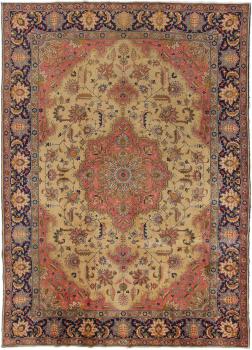
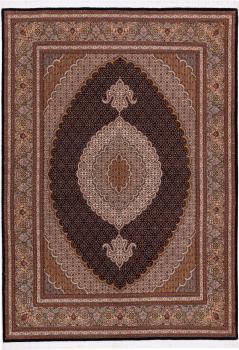
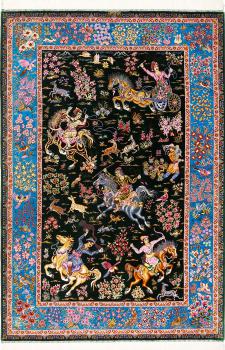
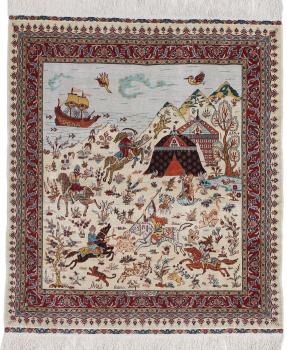
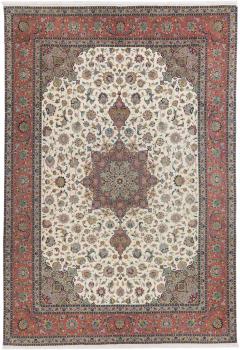
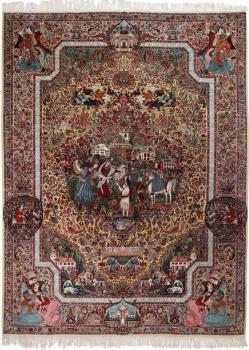
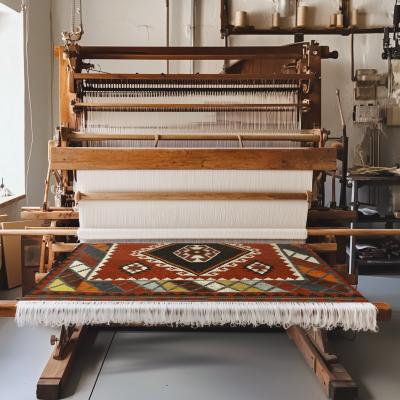
A carpet is not created in haste – it grows, knot by knot, guided by memory, skill, and intuition. Each individual knot is a moment of concentration, an act of devotion. In the ancient city of Tabriz , the weavers achieve an impressive mastery: up to 900,000 knots per square meter. What emerges are finest miniatures – textile poems, in which verses from the “Shahnameh” or by Hafiz intertwine into patterns.
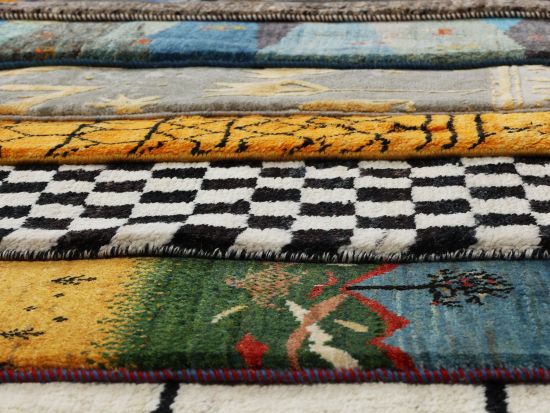
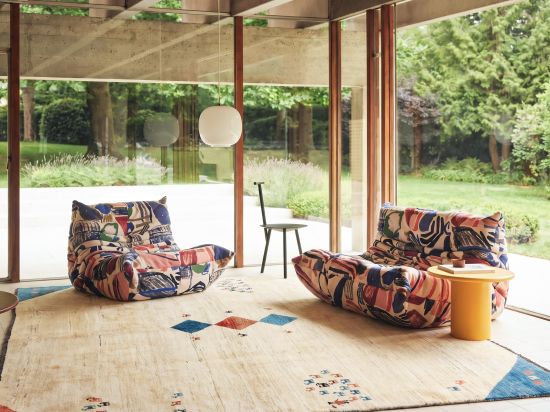
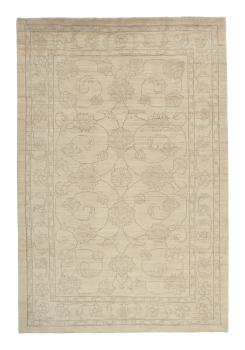
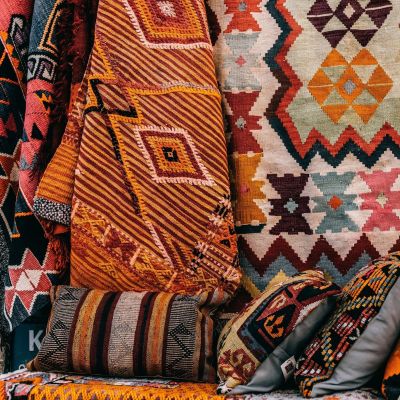
In stark contrast are the Gabbeh carpets of the Luri and Qashqai. They do not speak of technical precision, but of emotional expression. Raw, honest, intuitive – like diaries written in wool, full of spontaneity and feeling. Here, each carpet is a unique expression of the soul.
A true Persian carpet is not merely a product. It is not mass-produced, but a being – animated and eloquent in its silence. What appears as ornament may be a prayer. What seems like color is memory: of wind, earth, of the voices of those who have long since departed.
A carpet does not demand attention – it gives it. It does not impose itself, but those who see it feel: Here, something real speaks. It does not follow a trend, but its own sense of time. It is quiet – and yet profound. Old – and yet alive. A Persian carpet is not a purchase. It is an encounter. An invitation to slowness, to silence, to the beauty of things. Those who listen to it hear more than patterns – they hear history. And perhaps also themselves.