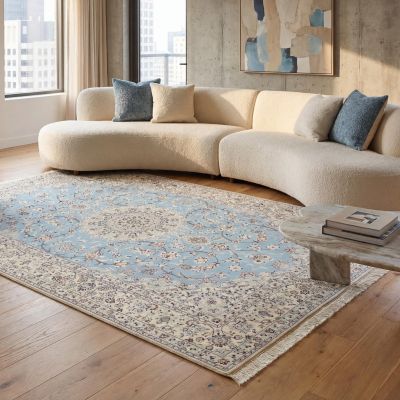
28 Years UniqRugs– Extra 20% Off
Celebrate 28 years of UniqRugs with us and enjoy an extra 20% off our entire range – including rugs already on sale.
Discount code: 28YEARS

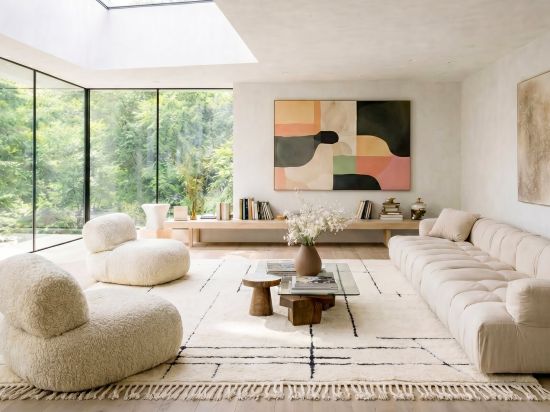
Modern interiors are often defined by clean lines, light colors, and a minimalist design. At first glance, an intricately patterned oriental rug may not seem to fit this look. But this very contrast is what makes many living concepts so appealing today.
More and more interior designers are combining traditional craftsmanship with modern furniture design. A high-quality oriental rug adds warmth, character, and individuality to spaces that might otherwise feel cold or generic.
It hardly matters whether it is a classic Persian rug or a modern interpretation. What matters is the harmonious interplay of colors, materials, and proportions.
In this guide, we show why oriental rugs are a perfect match for modern interior styles, which types of rugs are especially suitable, and how to choose the right rug for your home.
Many people automatically associate the term “modern” with simple furniture, neutral colors, or minimalist spaces. In reality, however, modern interior design describes much more than just a specific look.
Today, it’s primarily about a balanced combination of functionality, high-quality materials, and a personal decorating style. Natural surfaces such as wood or stone meet clean lines, while individual elements are intentionally used as eye-catching focal points.
This is exactly where oriental rugs come in. They create an exciting contrast to clean-lined furniture and add more depth to a room without making the decor feel cluttered. Today, modern living spaces are defined not by uniformity, but by carefully chosen accents that express personality.
That’s why a modern oriental rug doesn’t necessarily need to feature a newly created design. Even a traditionally hand-knotted rug can look surprisingly modern in a contemporary home.
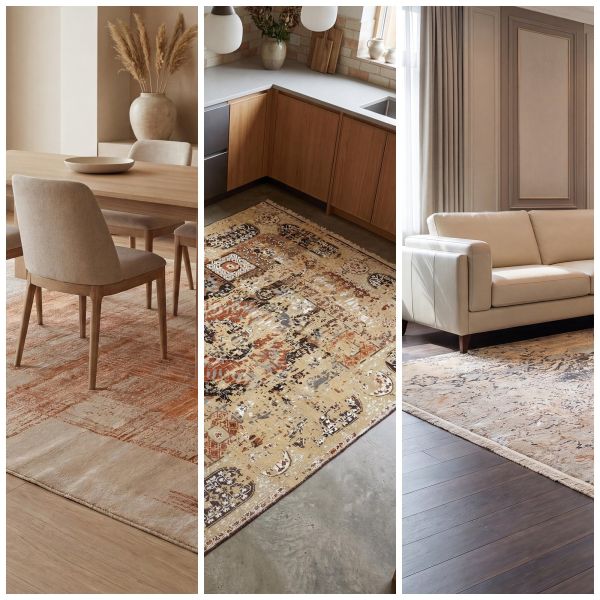
Modern living spaces are more diverse today than ever before. While some interiors focus on clean lines and a minimalist design, others intentionally thrive on contrasts and bold accents. That’s why there isn’t just one oriental rug that suits every modern home. Instead, the right choice depends on various factors such as colors, materials, furniture, and the desired interior style.
Both modern interpretations of oriental rugs and classic Persian rugs can work beautifully with contemporary interiors. What matters most is that the rug complements the overall look of the room and highlights its character. Below, we present different types of rugs that are especially well suited for modern living concepts.
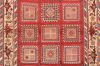
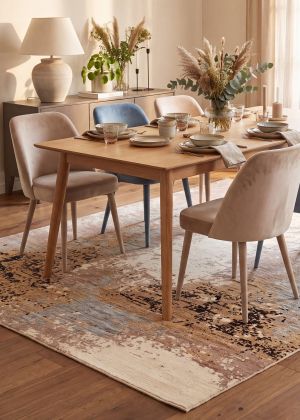
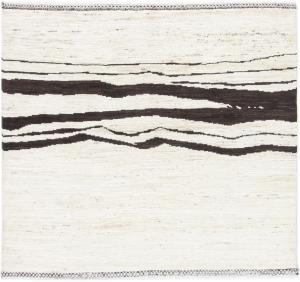
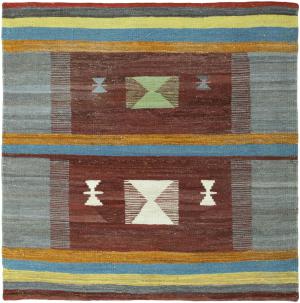
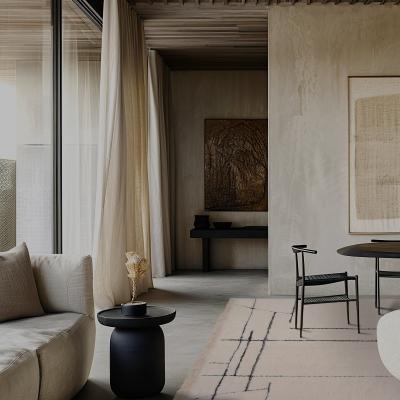
Designer rugs combine traditional craftsmanship with a modern design language. Unlike classic Oriental rugs, the focus here is often on understated patterns, abstract designs, and harmonious color concepts. This makes them especially well suited for minimalist living spaces, modern architecture, or open-concept interiors.
Thanks to their clean design, designer rugs look elegant and timeless. At the same time, they retain the high quality and value of handmade Oriental rugs and add stylish accents without visually overpowering the room.
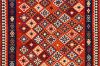
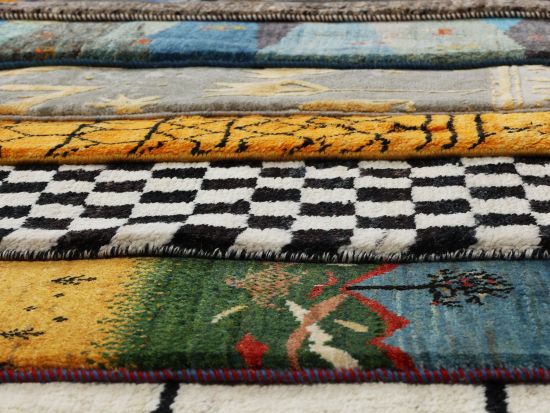
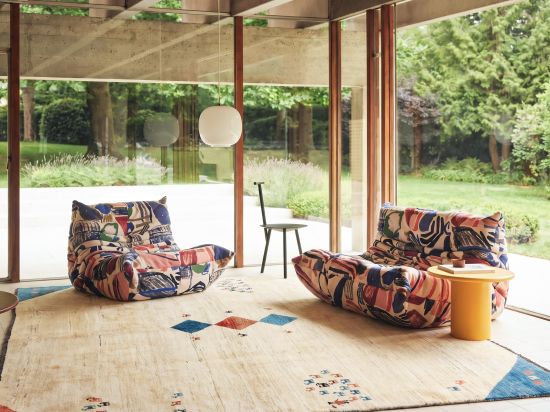
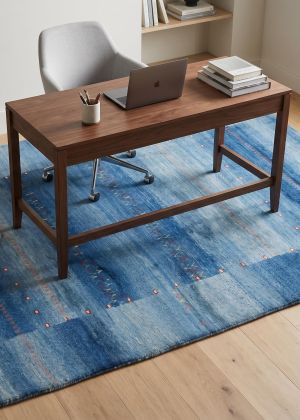
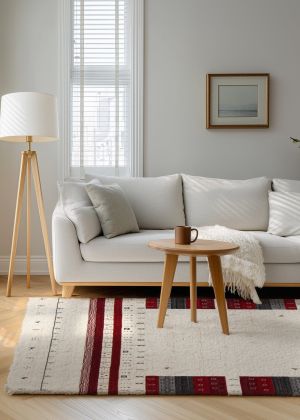
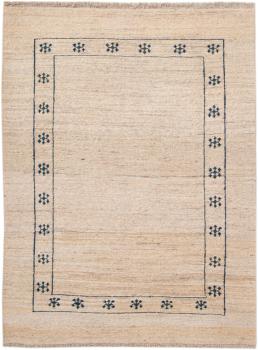
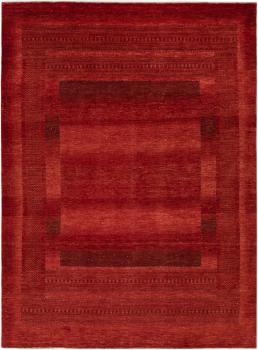
Gabbeh rugs have been among the most popular oriental rugs for modern interiors for many years. They are characterized by their simple patterns, expansive color fields, and the use of high-quality hand-spun virgin wool.
With their natural look, Gabbeh rugs pair beautifully with interior styles such as Japandi, Scandinavian, or Modern Living. They add warmth and comfort to a room and create an inviting atmosphere without feeling overpowering.
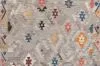
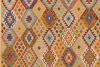
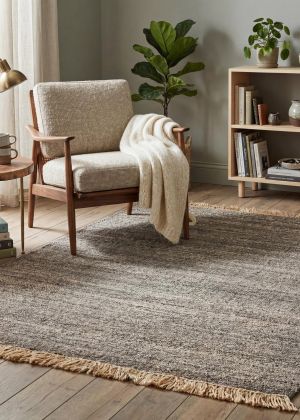
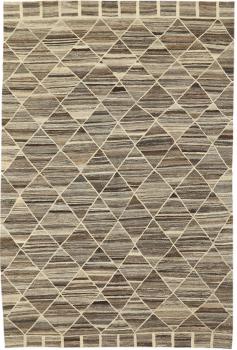
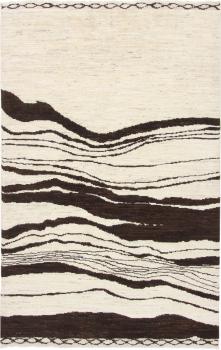
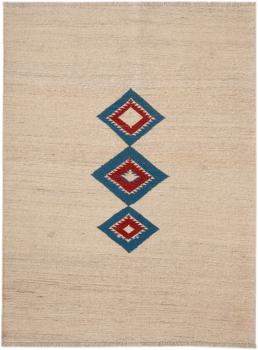
Berber rugs are also very popular in modern homes. Their geometric patterns, natural colors, and high-quality virgin wool create a successful blend of traditional craftsmanship and contemporary living.
Berber rugs make especially stylish accents in bright living spaces with wood, natural stone, or exposed concrete. At the same time, their soft textures add comfort and give the room extra depth.
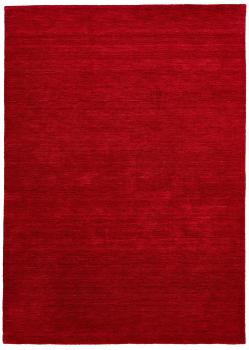
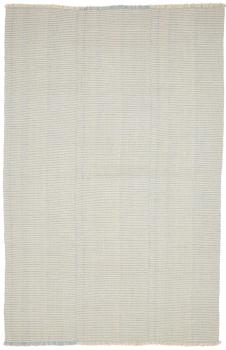
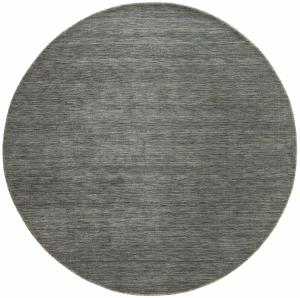
Those who prefer a particularly understated interior often choose loom rugs. These rugs are characterized by their fine texture, subtle color palette, and elegant surface.
Loom rugs blend harmoniously into modern interiors and complement high-quality furniture without becoming the focal point of the room themselves. This makes them especially well suited for living spaces where a calm, elegant, and timeless atmosphere takes center stage.
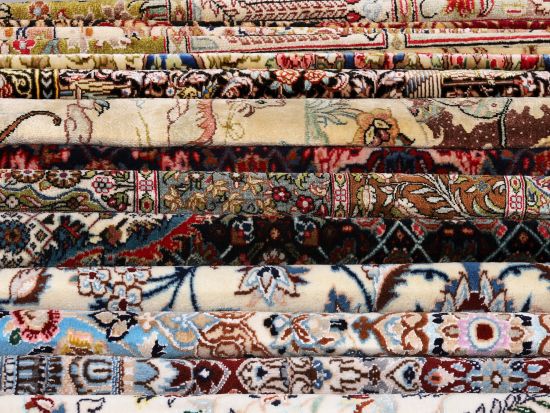
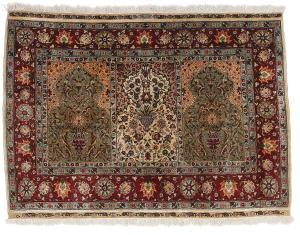
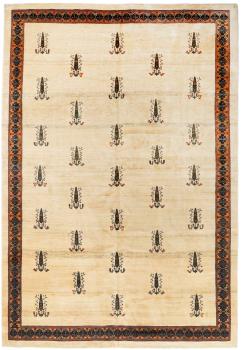
When people think of classic Oriental rugs, they often picture traditionally furnished living spaces with antique furniture or opulent decor. In fact, classic Persian rugs have been making a comeback in modern interiors for several years now. Interior designers intentionally use the contrast between contemporary architecture and centuries-old craftsmanship to give rooms more character and individuality.
While modern furniture often stands out for its clean lines and understated colors, classic Oriental rugs bring depth, texture, and warmth to a space. The result is a harmonious overall look that feels both elegant and timeless.
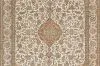
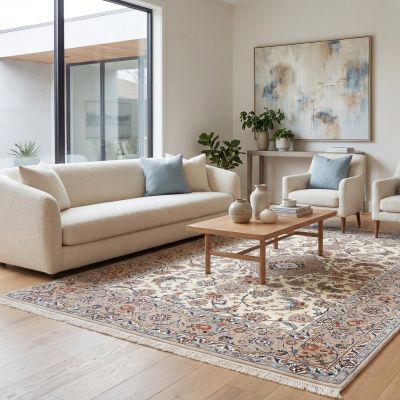
Nain rugs are among the most elegant Persian rugs of all. They are known for their intricate patterns, high knot density, and typically light color palettes in beige, cream, or blue.
This subtle coloring is exactly what makes Nain rugs an excellent choice for modern living spaces. Paired with light walls, oak flooring, or simple furniture, they create a refined look without overpowering the room. Instead, they add depth to minimalist interiors and highlight the exclusive character of the space.
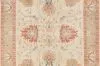
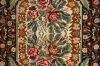
Ziegler rugs are among the most versatile Oriental rugs of all. Their floral patterns are designed with a much more open look than many classic Persian rugs, while their harmonious colors pair especially well with modern interiors.
With their understated beige, sand, and earth tones, Ziegler rugs can be easily combined with wood, natural stone, or modern upholstered furniture. If you are looking for a classic Oriental rug that blends effortlessly into a contemporary living space, a Ziegler rug is often an excellent choice.
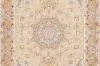
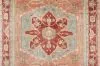
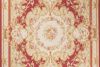
Isfahan rugs are among the most well-known and highest-quality Persian rugs. Their intricate ornaments, fine knotting, and artistic medallions make them true masterpieces of oriental rug craftsmanship.
In modern living spaces, Isfahan rugs make an especially striking impression when used intentionally as a focal point. A minimalist interior with clean lines creates the ideal setting for the elaborate patterns and exceptional craftsmanship to fully stand out. It is precisely this contrast between simple architecture and traditional design that gives classic Persian rugs their distinctive appeal.
Beige, cream, and sand tones are among the most popular colors in modern interiors. They feel timeless, pair well with a wide range of styles, and create a welcoming, harmonious atmosphere. At the same time, they reflect daylight more effectively and make rooms appear more spacious.
Especially in open living areas or smaller rooms, light shades help create an airy and uncluttered overall look.
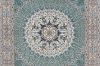
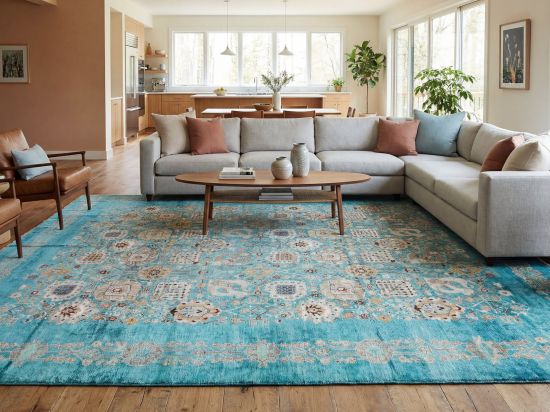
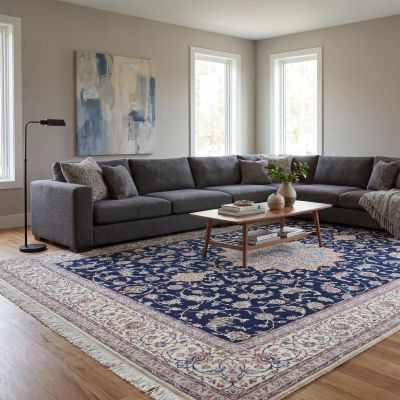
Blue has been one of the defining colors of oriental rugs for centuries and has lost none of its elegance to this day. Light or muted shades of blue feel calm and refined and pair especially well with white, gray, or natural wood furniture.
If you want to give your living space a stylish touch, different shades of blue offer a timeless solution that will continue to feel modern for years to come.
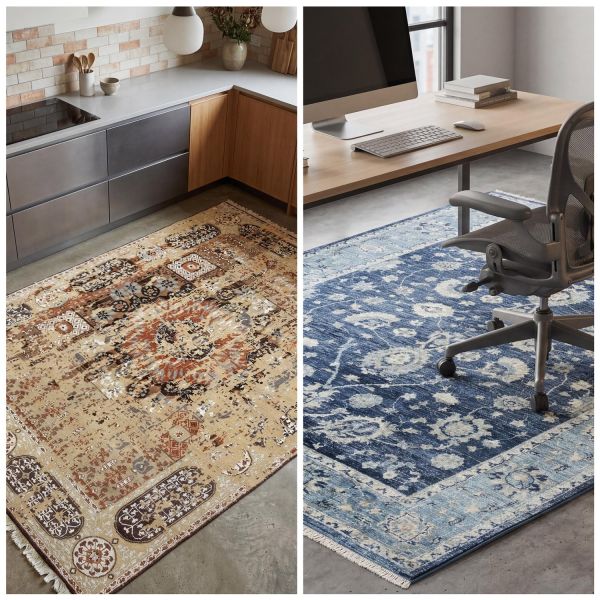
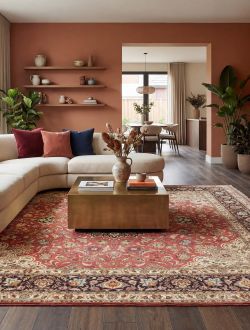
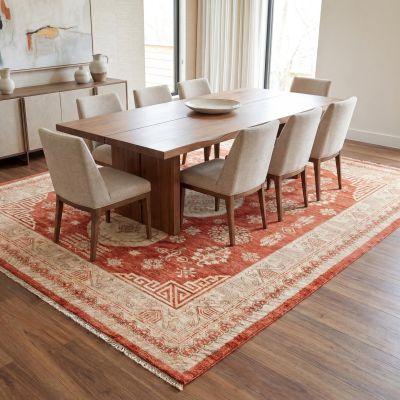
Brown, terracotta, sand, and beige tones add warmth to modern interiors and create a welcoming atmosphere. They pair beautifully with natural materials such as wood, linen, stone, or ceramic, helping create a balanced overall look.
Warm colors are especially effective in living and dining rooms, where they create a cozy setting without making the space feel visually crowded.
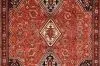
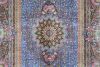
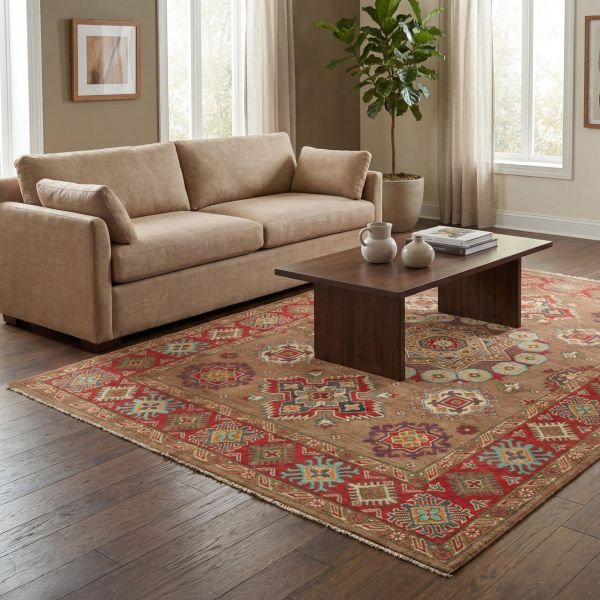
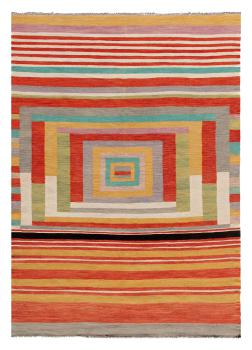
Bold colors can also make a striking impact in modern interiors. The key, however, is to use them intentionally. A rug with rich red, blue, or green tones can become the focal point of an otherwise simply furnished room and add purposeful accents.
To keep the overall look harmonious, it is best to keep the rest of the decor more understated. This creates a balanced interplay between color, furniture, and home accessories without making the room feel busy.
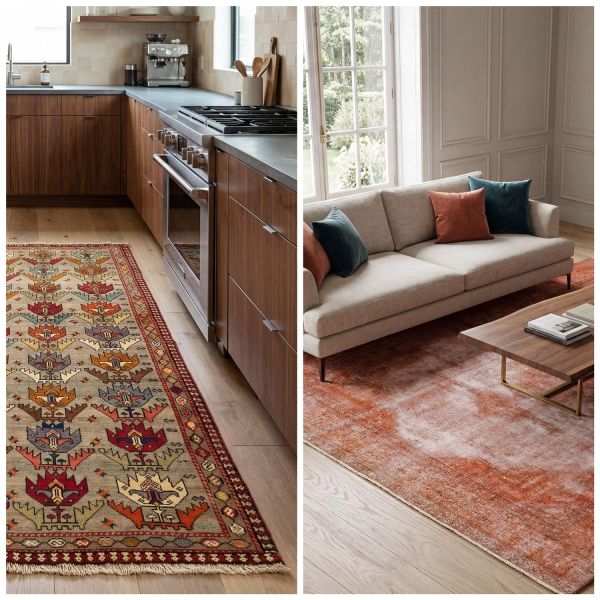
In addition to design and color, the size of the rug also plays a crucial role. Even the highest-quality oriental rug can lose its impact if its proportions do not fit the room. A rug that is too small can make furniture look disconnected, while a rug that is too large can quickly make the room feel overcrowded.
When choosing a rug, you should consider not only the size of the room but also the placement of the furniture. The rug should visually tie the living area together and create a harmonious connection between the sofa, armchairs, or dining table.
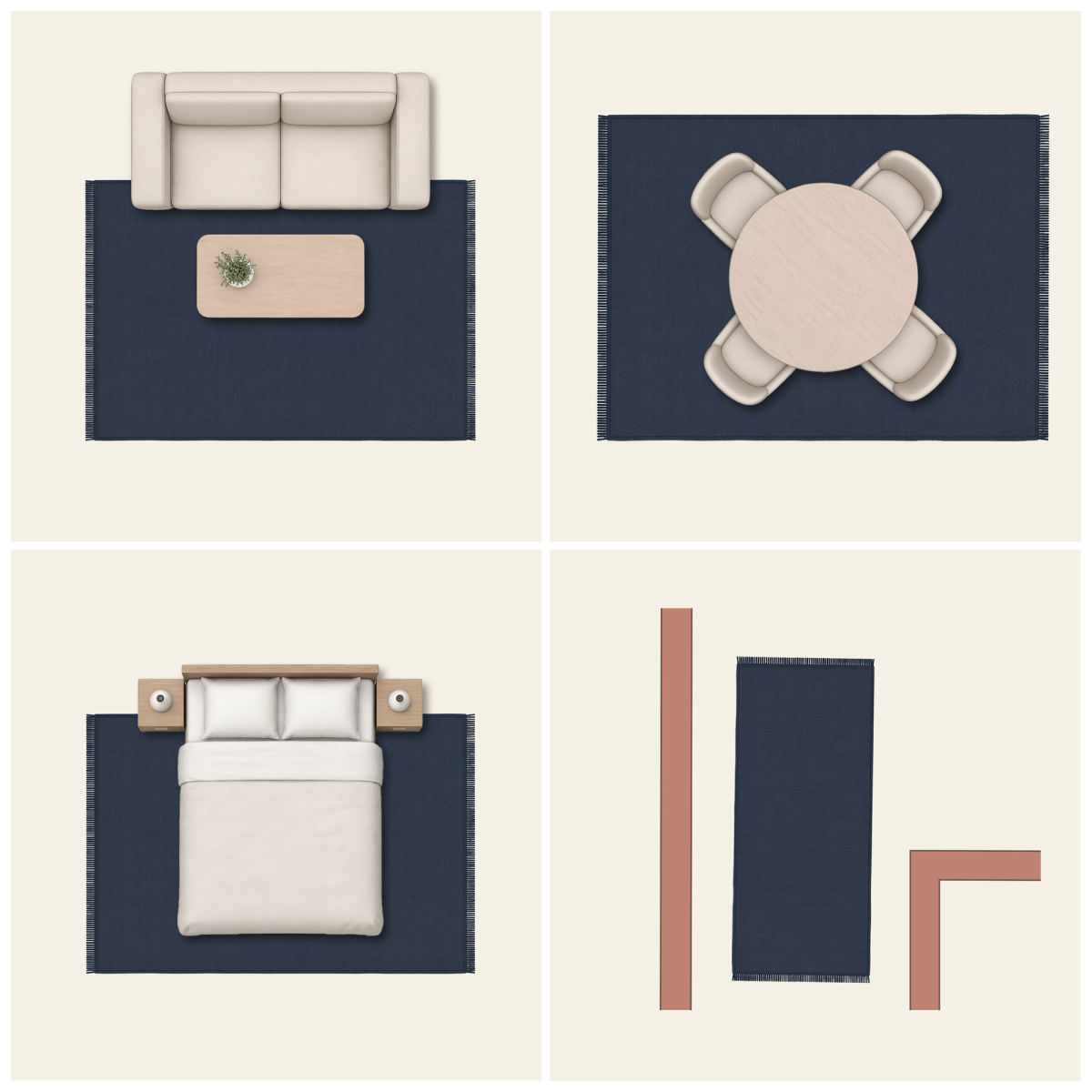
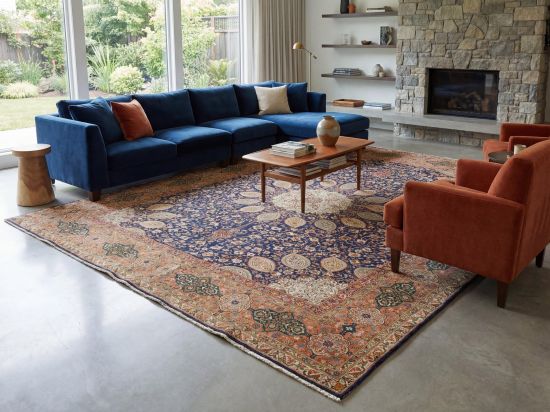
In the living room, the rug often serves as the focal point of the space. Ideally, at least the front legs of the sofa and armchairs should rest on the rug. This creates a cohesive overall look and makes the seating area feel larger and more harmonious.
Large living spaces often benefit from generously sized rugs, while in smaller rooms, the right proportion between the rug and the furniture is especially important.
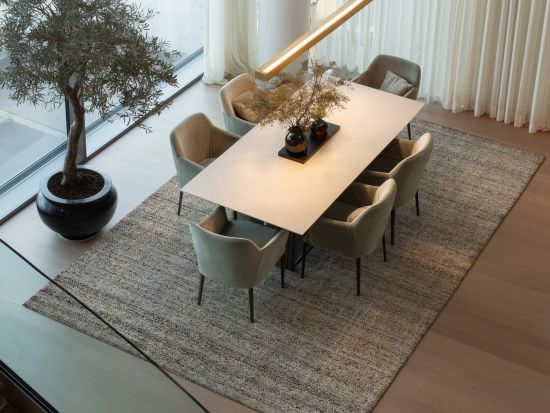
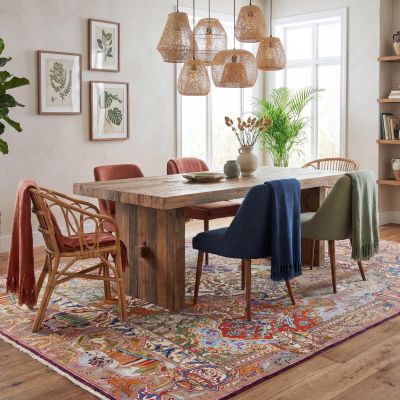
Under the dining table, the rug should be large enough so that the chairs remain fully on the rug even when pulled out. This not only increases comfort but also creates a balanced look.
As a general guideline, it is recommended to allow at least 24 to 28 inches of extra space around the table.
In the bedroom, an oriental rug creates a warm and inviting atmosphere. It is often placed under the bed so that it remains visible along the sides and at the foot of the bed. Alternatively, narrower rugs can also be used on the left and right sides of the bed.
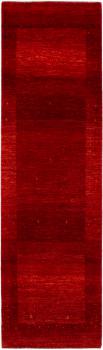
An oriental rug can also create a stylish first impression in the entryway. It is important to make sure there is still enough walking space and that the rug does not obstruct doors or passageways. Narrow runners are especially well suited for enhancing long hallways visually while also creating a welcoming atmosphere.
A high-quality Oriental rug can significantly enhance the look and feel of a room. However, even the most beautiful rug only reaches its full potential when it is properly integrated into the interior design. With just a few simple basic rules, common mistakes can be avoided and a harmonious overall look can be created.
One of the most common mistakes is choosing a rug that is too small. This makes furniture appear visually disconnected from one another, and the room loses its sense of harmony. A sufficiently large rug ties the individual furnishings together and creates a balanced overall look.
Oriental rugs are often known for their intricate patterns. When they are also paired with bold wallpaper, patterned curtains, or too many decorative elements, a room can quickly feel busy. A balanced mix of simple surfaces and decorative accents usually creates a more harmonious result.
Not every color works with every interior. That is why it is worth picking up the rug’s tones in your furniture, pillows, artwork, or other home accessories. Even small color connections create a cohesive overall impression.
In addition to the actual rug size, its proportion to the room also plays an important role. In small rooms, very dark or oversized rugs can make the space look smaller. Light colors and well-matched proportions, on the other hand, make living areas appear more open and inviting.
An Oriental rug should not be viewed in isolation. Only the interplay with furniture, lighting, wall colors, and home accessories creates a harmonious interior. Those who consider the rug already during the room-planning stage usually achieve a much more cohesive result.
Yes. Oriental rugs have been one of the most important interior design trends for years and are intentionally paired with modern furniture. The contrast between traditional craftsmanship and contemporary interior design is what makes them especially appealing. This gives them a timeless look and allows them to be integrated flexibly into a wide range of living spaces.
Many people today place greater value on quality, durability, and natural materials. At the same time, the desire for unique interiors that stand out from mass-produced products is growing. Handmade oriental rugs meet exactly these expectations and add a personal touch to any room.
Yes, many oriental rugs can be used on heated floors without any issues. Models made from natural materials such as virgin wool are especially well suited, as they can absorb heat and release it evenly. However, the rug’s thickness and the manufacturer’s recommendation are also important.
Yes, it is recommended to rotate an oriental rug from time to time. This helps distribute sunlight exposure and daily wear more evenly, contributing to a more even aging process.
On smooth floors, we recommend using a non-slip rug pad. It not only improves safety, but also protects the rug from unnecessary wear and can extend its lifespan.
Yes. Many oriental rugs are made from durable natural materials and are well suited for everyday use. With regular care and professional cleaning when needed, they can retain their beauty for many years, even in high-traffic living areas.
A high-quality oriental rug can last for several decades or even generations with proper care. Premium materials, meticulous craftsmanship, and regular maintenance all play a key role in its longevity.