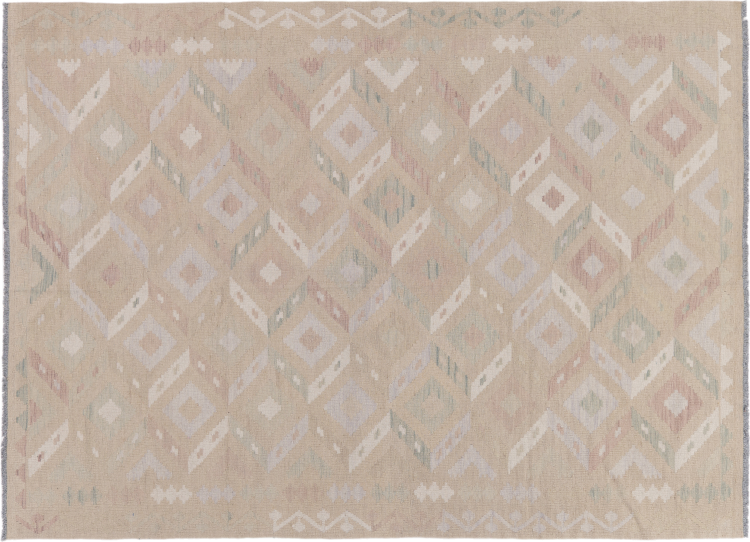
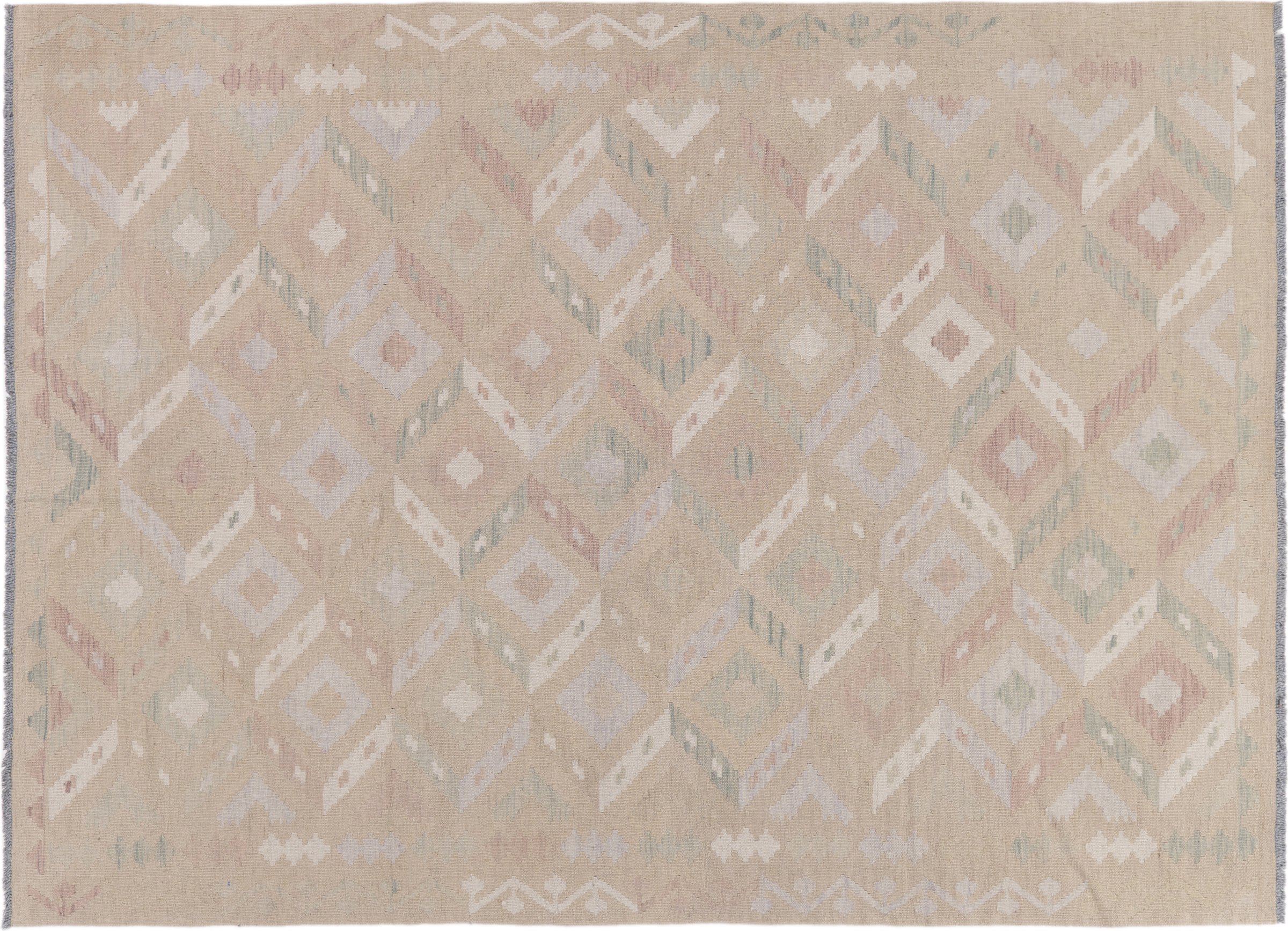
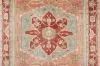
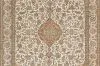
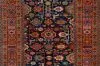
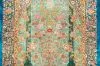
Kilim
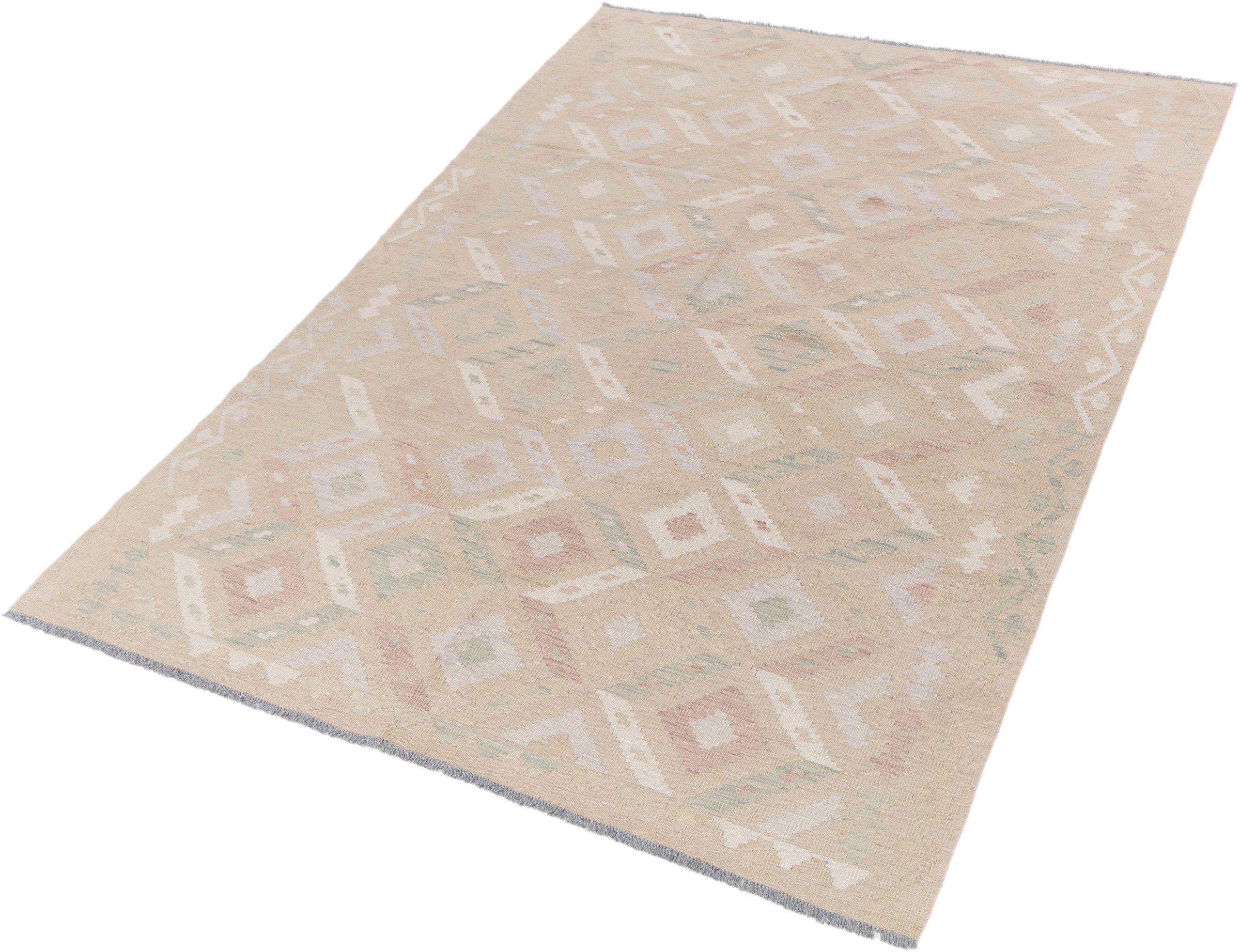
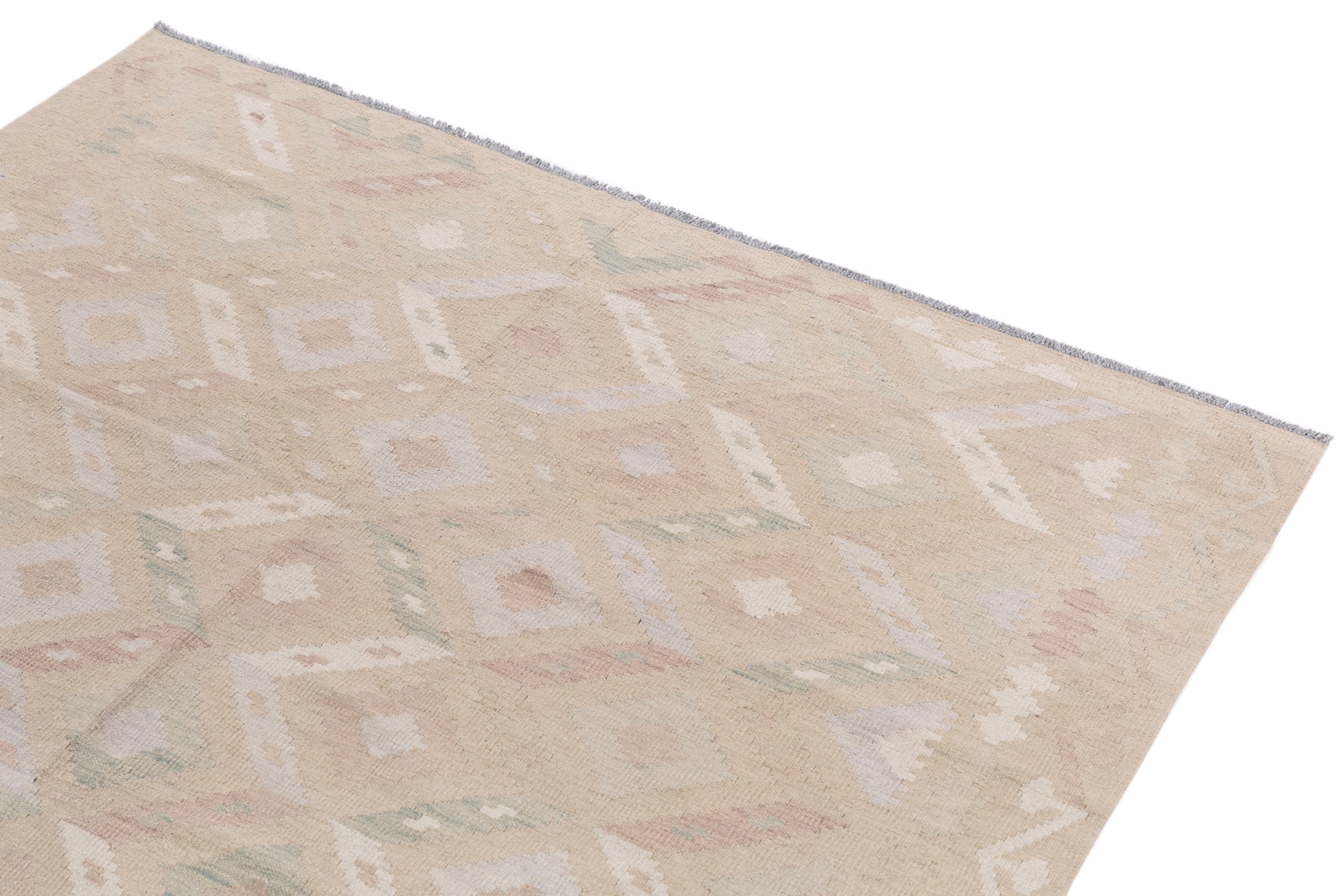
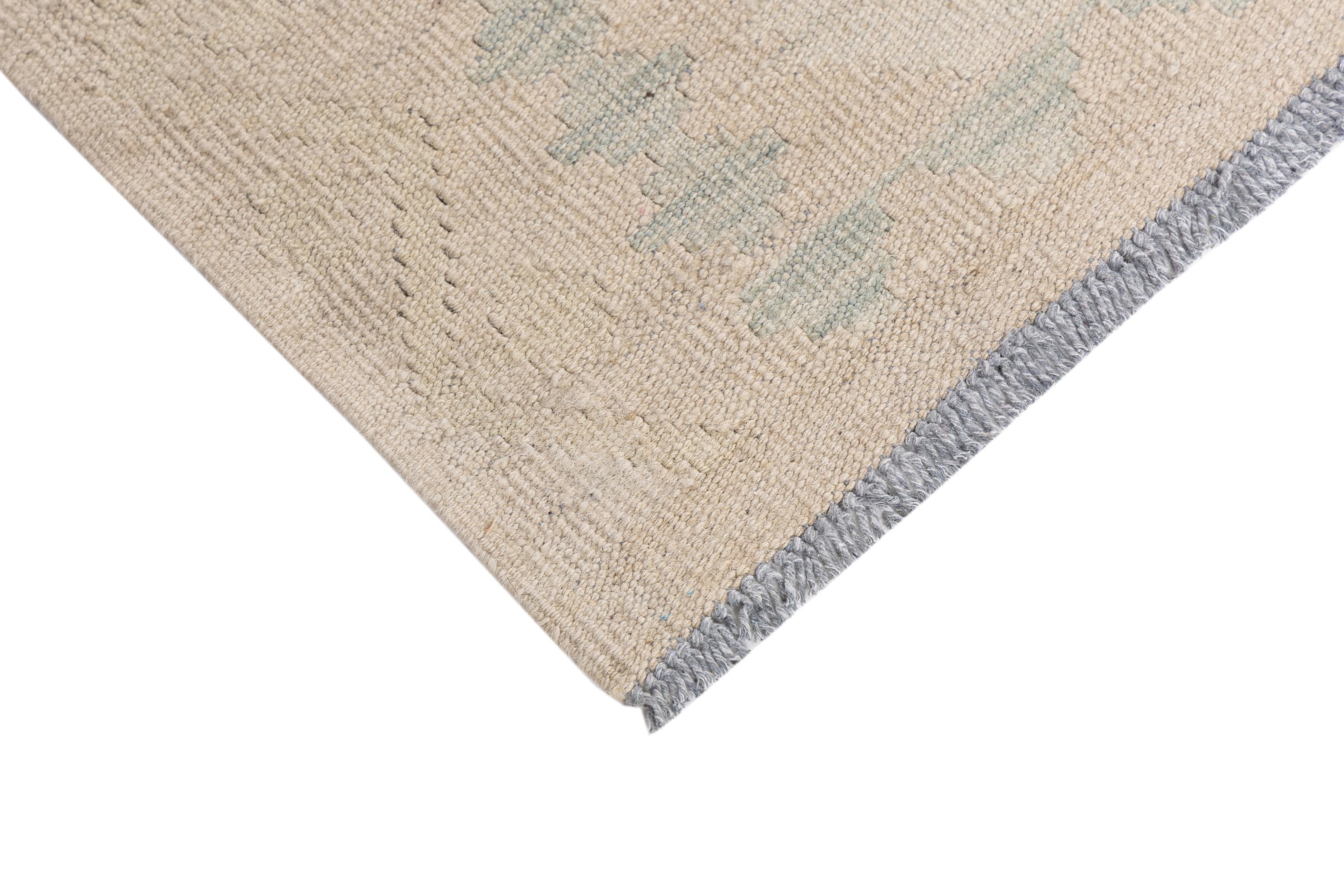
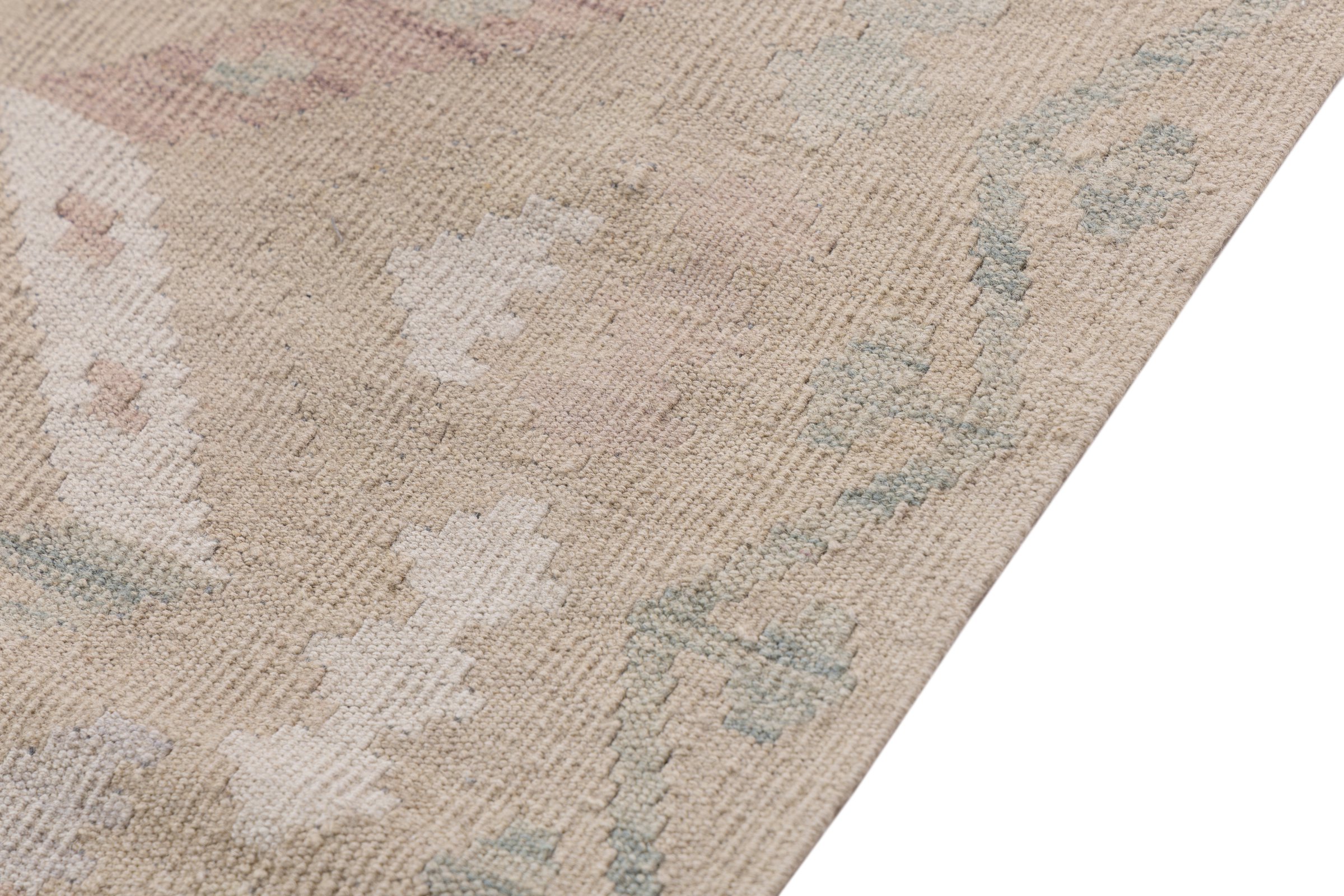
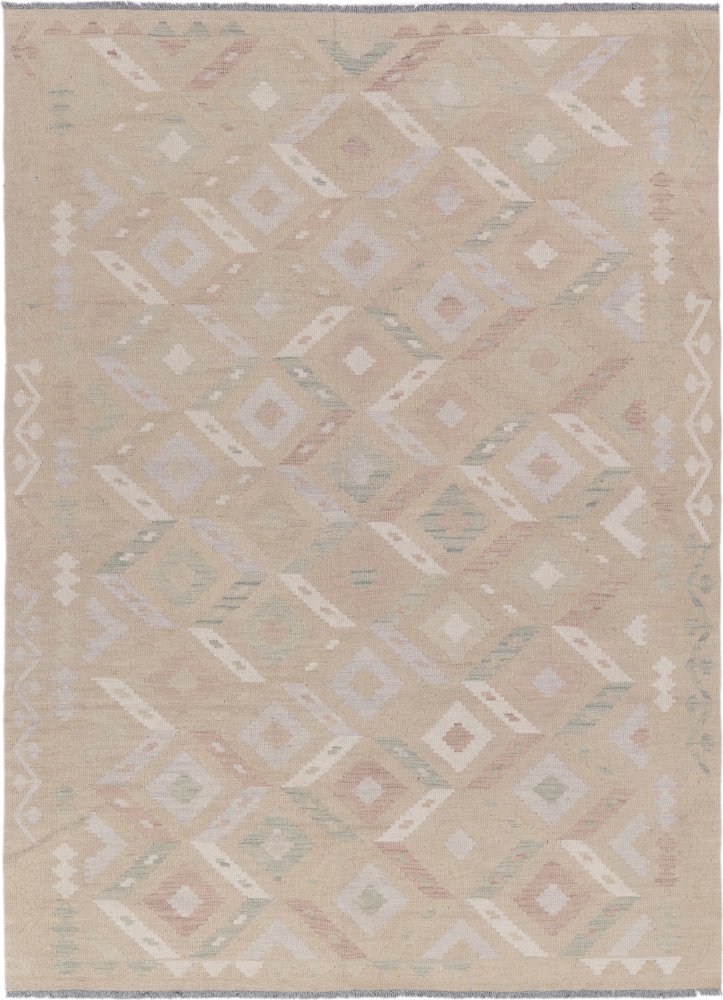
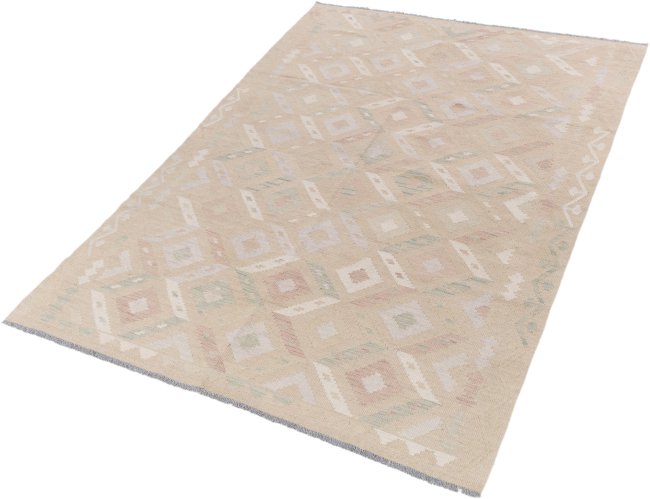
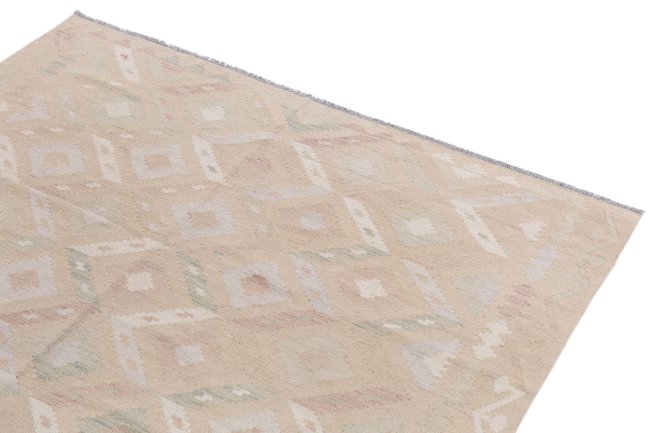
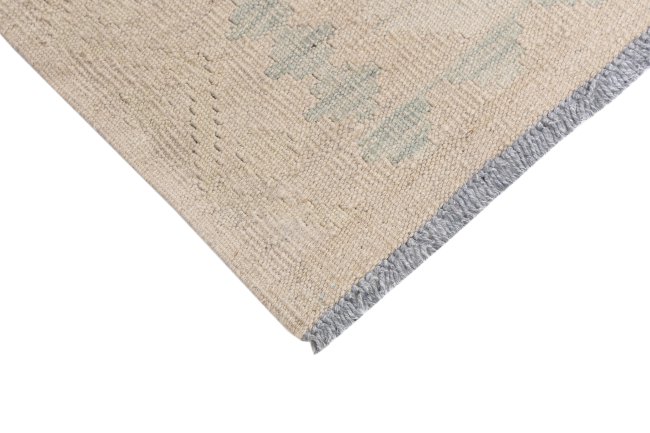
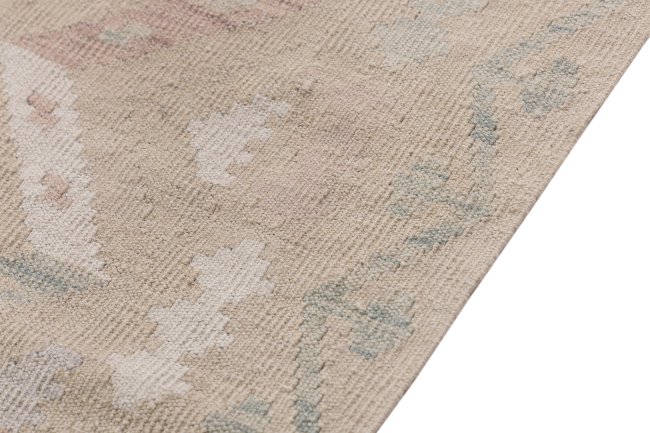
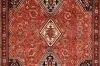
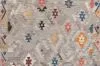
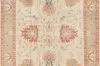
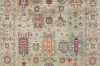
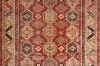
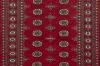
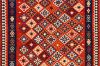
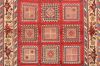
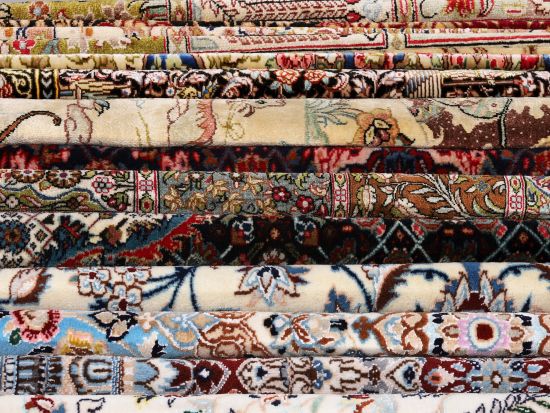
These Kilim rugs have one key difference from hand-knotted rugs - they are handwoven. As a result, they do not have a raised wool pile and are often flatter and rougher than knotted wool rugs. Their construction is less elaborate, which generally makes them significantly more affordable. Another advantage is that Kilim rugs are much lighter and can be used on both sides.
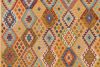
Handwoven Kilims originally come from former Persia and are now also widely made in Afghanistan. They tend to feature simple, linear patterns shaped by their weaving technique.
Hand-spun wool
This rug is made from hand-spun sheep’s wool of the highest quality. Wool is still spun by hand, especially in Iran (formerly Persia), Afghanistan, and Pakistan, before the actual rug-knotting process begins. For centuries, wool has proven itself as a natural and extremely durable material. Among other things, it has dirt-repellent and heat-insulating properties. At the same time, wool is incomparably soft and has a natural sheen.
Handwoven
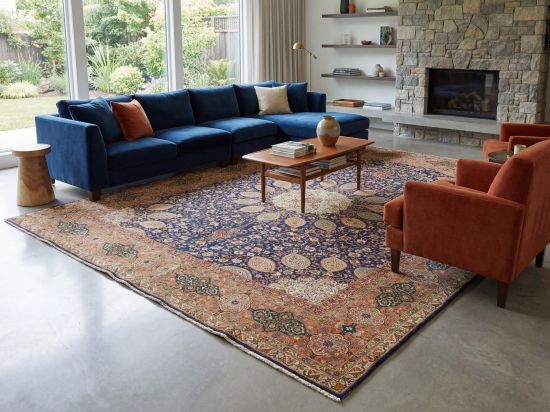
This rug was handwoven on a loom as a flatweave. Flatweave refers to rugs that have no pile. As the name suggests, these rugs are woven rather than knotted. The result is a flat rug with a textured surface. Flatweaves are not as soft and are usually thinner than knotted rugs. At the same time, they are significantly less complex to produce and can usually be used on both sides (front and back). Their patterns are generally geometric, which is due to the weaving technique.
Uniq Rugs supports CARE & FAIR, an organization that brings rug retailers together to support children from rug-weaving families in India and Pakistan. Its mission is to help provide a safe childhood and improve the long-term well-being of these children and their families.
Questions regarding this rug?