Flash Sale – 15% Off
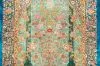
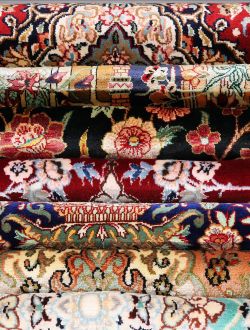
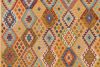
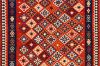
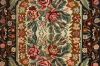
Our limited-time Flash Sale is here! Discover your next favorite rug and enjoy 15% off. Find the perfect piece for your home and save!
Discount code: FLASH15

Rugs over carpet
A rug placed over carpet can creep or develop wrinkles—it doesn’t slide so much as “shift.”
Special nonwoven rug pads are designed for this: the underside grips the carpet pile,
while the top holds the rug in place. A rubber pad made for hard floors is not the right choice here.
Radiant floor heating
With radiant floor heating, the thinner and more open the rug pad, the better.
Natural latex mesh pads allow heat to pass through with very little resistance.
Thick, solid pads, on the other hand, can encourage heat buildup.
Hand-knotted wool rugs are generally compatible with radiant floor heating—the right pad helps keep them that way.
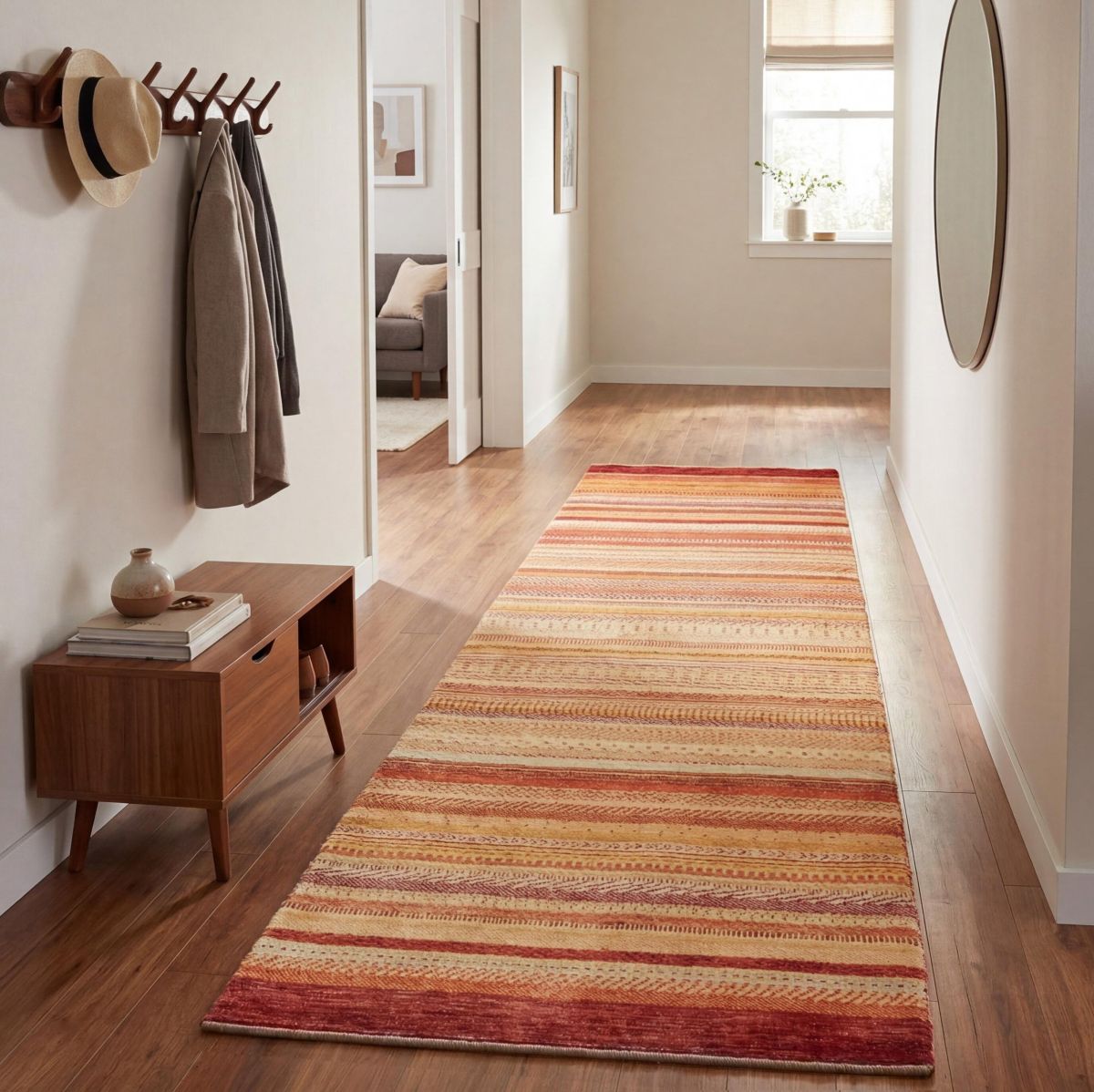
Runners in hallways and entryways
Runners are particularly prone to shifting: they are narrow, lightweight, and placed
in some of the busiest areas of the home. A nonslip pad that covers the full area
beneath the runner is practically essential here—individual corner grips are not
enough to withstand the constant pressure of foot traffic. Natural latex pads
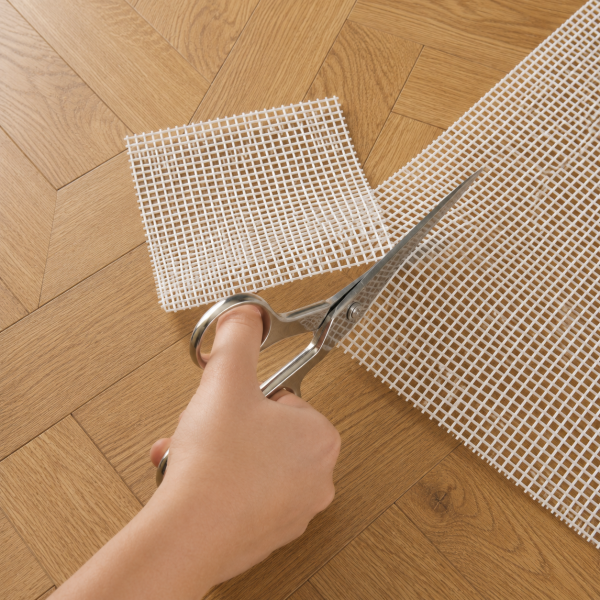
cut to fit help keep even long, narrow runners securely in place.
Some common DIY fixes do more harm than good:
Some common DIY fixes do more harm than good:
A hand-knotted rug is made to last for decades—and many last for generations. A suitable rug pad is an inexpensive way to provide three kinds of protection: it helps protect people in your home from falls, the floor from scratches, and the rug itself from abrasion and damage caused by creasing. Regular care and occasional rotation help distribute light exposure and foot traffic evenly, so you can enjoy your rug for years to come. The result of hundreds of hours of handwork stays right where it belongs—securely in place.
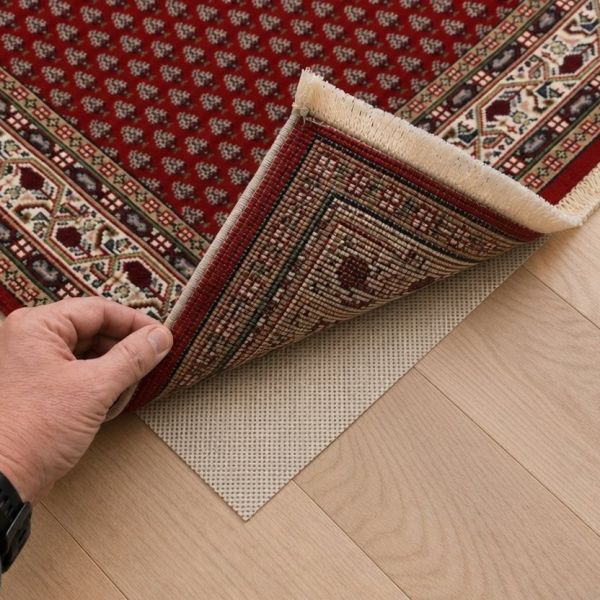
The quickest, safest solution is a non-slip rug pad cut to size. It takes just a few minutes to put in place, grips all smooth floors, and can be removed at any time without leaving residue.
High-quality rug pads made from natural latex or materials without plasticizers will not damage hardwood floors. Use caution with inexpensive PVC pads, as their plasticizers can discolor floor finishes. Look for a label indicating that the pad is “safe for hardwood floors”.
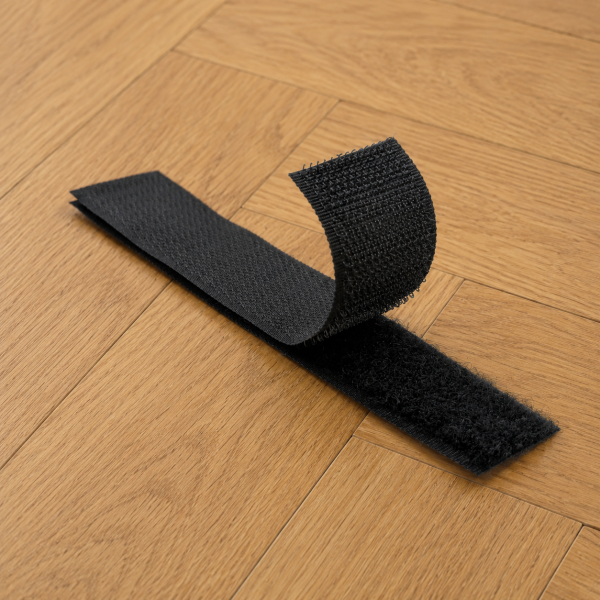
This is not recommended. The adhesive can damage the backing of a hand-knotted rug and leave residue on the floor. A non-slip rug pad laid underneath without adhesive serves the same purpose without these risks.
About two to three centimeters smaller than the rug on each side. This keeps the rug pad out of sight and allows the rug’s edges to lie flat.
Yes. Choose a thin, open-structure rug pad—such as a natural latex mesh—so heat can flow freely into the room.
Specialized nonwoven rug pads designed for carpeted floors can help here. They grip the carpet pile and hold the rug in place without weighing it down or using adhesive.
Ripples often develop from uneven pressure, furniture placed on only one half of the rug, or changes in humidity. A pad that covers the full area beneath the rug provides even support. Persistent ripples will usually settle if you rotate the rug and leave it in that position for a few days.