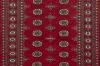
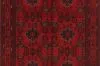
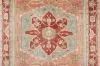
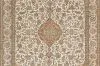
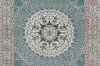
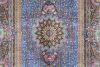
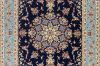
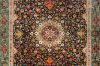
Black Weeks – Exklusive 20 % auf alle Teppiche
Entdecken Sie besondere Teppiche für ein Zuhause mit Charakter. Sichern Sie sich während unserer Black Weeks 20 % Rabatt auf unser gesamtes Teppichsortiment.
Gutscheincode: BLACK20

As temperatures drop and the days get shorter, warmth and comfort at home become more important. A rug can noticeably change the feel of a room: it defines the living area, creates a more comfortable surface underfoot, and ties together furniture, colors, and textiles into a cohesive overall look.
For fall, rugs made from natural materials such as virgin wool are especially well suited. This fiber is durable, long-lasting, and has temperature-regulating properties. Depending on your interior style, both finely patterned oriental rugs and quieter, modern designs can work well. What matters most is not specific fall motifs, but colors and textures that complement your existing decor.
Warm earth and natural tones such as beige, brown, rust red, terracotta, or muted green reflect the typical colors of the season. Dark blue, burgundy, and cream also pair beautifully with wood, leather, linen, and other natural materials. A hand-knotted rug can provide a lasting foundation for your interior, while pillows, throws, or smaller home accessories can be changed out seasonally.
Fall colors don’t have to consist exclusively of browns and reds. A balanced color palette combines warm shades with light or neutral tones and keeps the room from feeling too dark. The right rug color depends on the flooring, furniture, wall color, and the size of the room.
On dark hardwood floors, rugs in cream, beige, or sand can create a clean contrast. Light floors, on the other hand, provide a great foundation for richer colors like burgundy, rust red, dark green, or deep blue. If you prefer a more understated interior, you can choose a rug in neutral natural tones and add fall colors selectively through home textiles and decor.
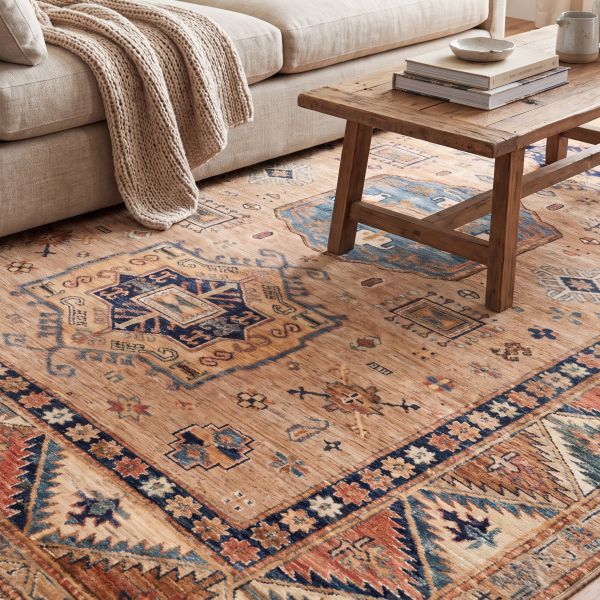
For a fall-inspired interior, rugs that bring warmth, texture, and natural tones into the room are a great choice. The design does not need to feel seasonal. What matters is a style that can be paired long-term with furniture and home textiles and that continues to complement the interior beyond fall and winter.
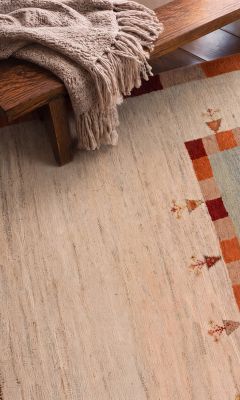
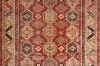
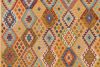
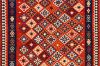
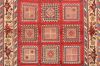
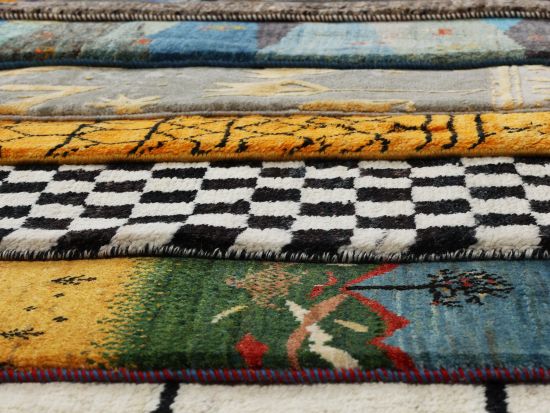
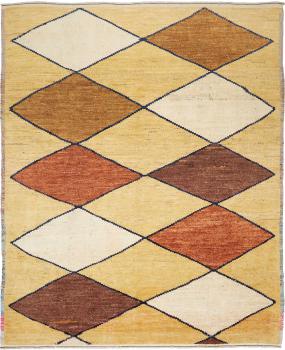
Gabbeh rugs are traditionally made from virgin wool and are characterized by a relatively high pile and minimalist patterns. Models in beige, red, brown, or warm natural tones pair especially well with wooden furniture and simple interior styles. Their soft surface makes them particularly suitable for living rooms and bedrooms.
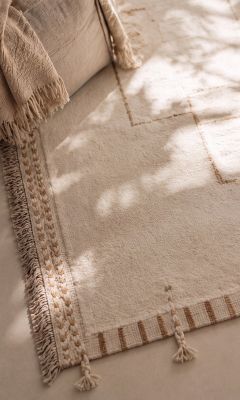
Berber rugs are an especially good fit for fall decor, as virgin wool, soft textures, and natural tones help create a cozy feel in the room. Many styles feature cream, beige, or brown, making them easy to pair with wood, leather, linen, and warm autumn colors.
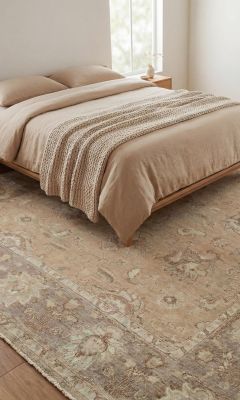
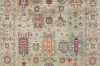
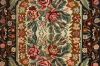
Ziegler rugs combine floral ornaments with often understated color palettes. Cream, beige, red, and muted shades of blue pair easily with wood, leather, and natural textiles. This makes them a great fit for classic interiors as well as modern spaces where the rug is meant to create a deliberate contrast.
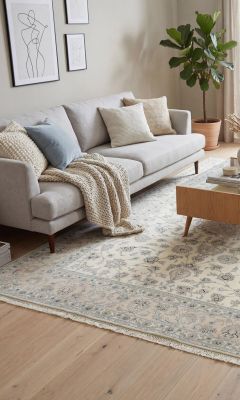
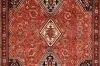
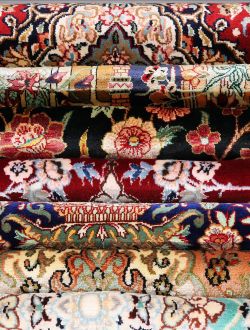
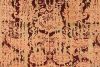
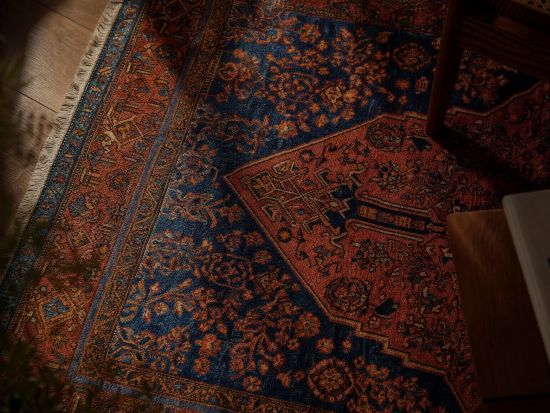
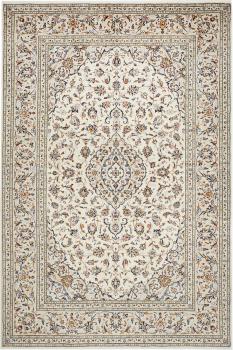
Classic Persian rugs offer a wide range of patterns and color palettes. Deep shades of red and blue, cream, and warm accent colors can create a striking focal point in the room, especially during the darker months of the year. Thanks to the variety of origins, you can find suitable options for different interior styles and room sizes.
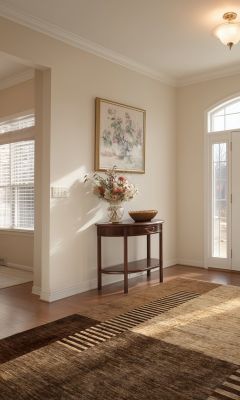
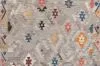
Designer rugs are especially well suited for modern, minimalist interior styles. Abstract patterns, subtle color gradients, and textured surfaces can pick up on fall tones without making the decor feel seasonal. This makes them easy to pair long term with changing home accessories.
| Rug Type | Best suited for | Typical Colors | Effect |
|---|---|---|---|
| Gabbeh | Living room, bedroom | Beige, red, brown | warm, natural |
| Berber | Living room, bedroom | Cream, beige | soft, cozy |
| Ziegler | Living & dining room | Cream, red, blue | elegant, classic |
| Persian rug | Living room | Red, blue, cream | full of character |
| Designer rug | modern spaces | Beige, brown, muted tones | modern, calm |
Virgin wool has properties that make it especially appealing for living spaces in fall and winter. This natural fiber can retain warmth and feels pleasantly comfortable underfoot compared to an uncovered floor. A wool rug can therefore enhance comfort on tile, stone floors, or hardwood.
In addition, virgin wool is elastic and well suited for regular use. Its natural structure helps the fibers spring back into place after pressure. With proper care, high-quality wool rugs can therefore be used for many years and do not need to be replaced after just one season.
Wool also offers many possibilities from a design perspective. The fiber absorbs dyes well, making both rich shades and subtle natural colors possible. This allows a wool rug to serve as a lasting foundation for your interior, while throws, pillows, and other textiles can be changed with the seasons.
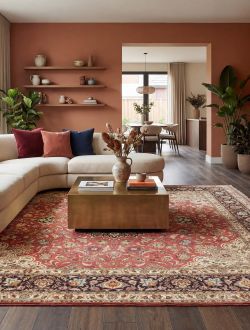
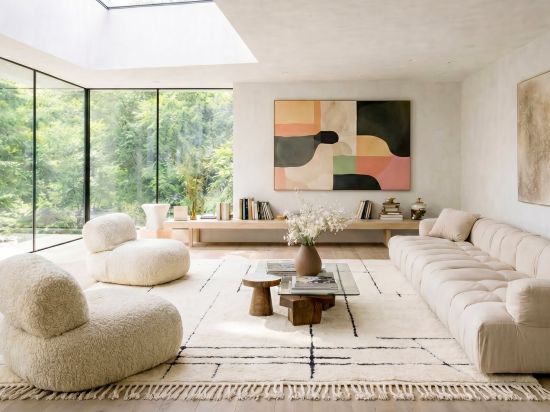
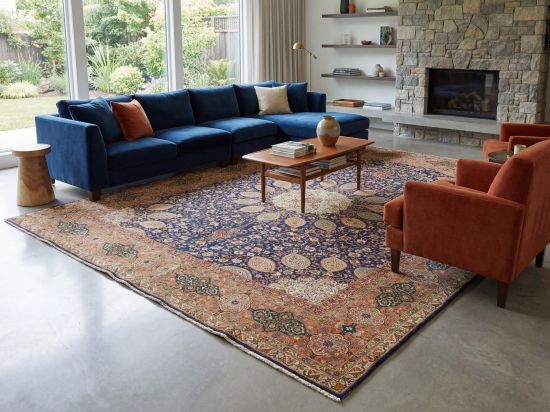
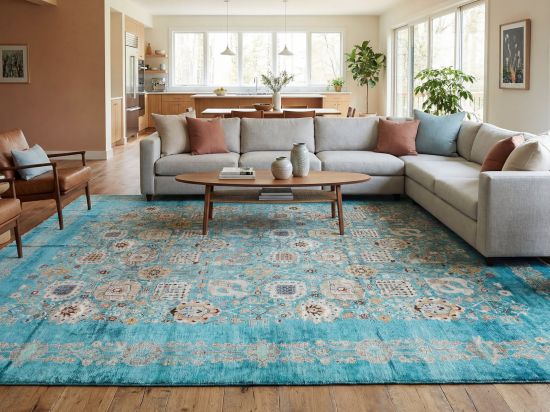
In the fall, the living room once again becomes more of the heart of the home. A generously sized rug can clearly define the seating area and visually tie the sofa, armchairs, and coffee table together. Especially on hardwood, tile, or stone floors, a textile surface also provides a more comfortable feel underfoot.
For a fall-inspired interior, you don’t need to replace every element. An oriental rug in warm or neutral tones can serve as a lasting foundation, while pillows, throws, and smaller home accessories can be updated seasonally. Materials such as wood, linen, wool, and leather complement this look and create a variety of surfaces and textures.

When placing the rug, the size of the seating area should be taken into account. In larger living rooms, the rug can be placed completely under the sofa and armchairs. In more compact spaces, it is often enough to position the front legs of the seating furniture on the rug. This makes the living area feel cohesive without making the room look smaller.
A rug also affects comfort in the bedroom. A rug placed under the bed or two smaller rugs on either side of the bed create a soft surface when getting up and visually define the sleeping area. Calm natural tones like cream, beige, or brown pair easily with bedding and wooden furniture.
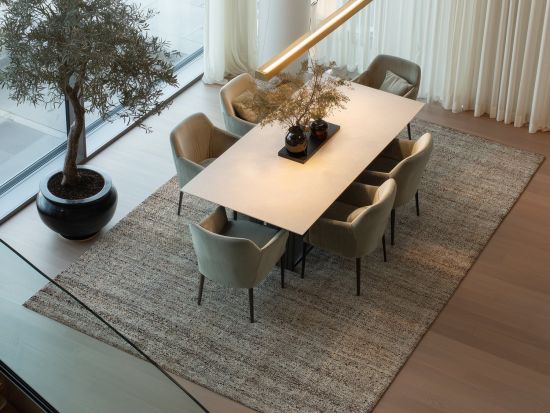
In the dining room, functionality is the main priority. The rug should be large enough for the table and chairs to fit completely on it, and the chair legs should not go over the edge of the rug even when pulled out. Durable materials are especially practical here, since this area is used regularly.
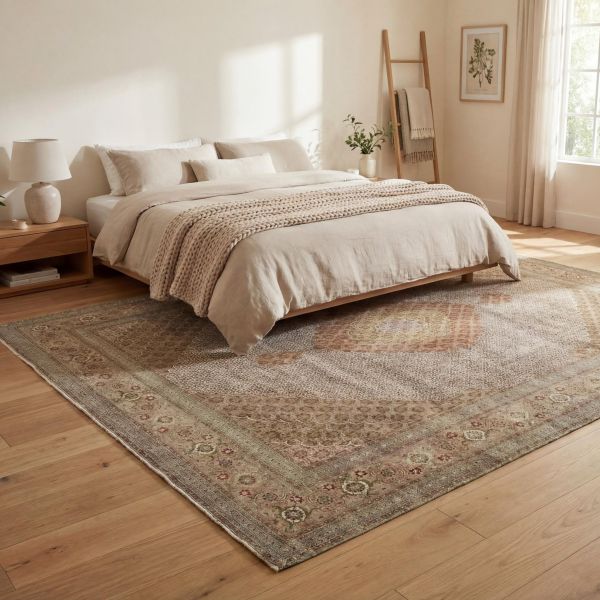
Wood and textile surfaces are among the most versatile combinations for the cooler season. Light woods pair well with beige, cream, rust red, or muted green, while darker furniture can create an interesting contrast with light-colored rugs. The key is to avoid having the floor, furniture, and rug all consist exclusively of similarly dark shades.
Wool throws, linen or cotton pillows, and curtains with a visible woven texture complement a hand-knotted rug without competing with its pattern. With a detailed Oriental rug, it is best to keep the other textiles more understated. With a simple rug, on the other hand, bolder colors or patterns can be used as accents.
A high-quality rug doesn’t need to be replaced with every season. It makes more sense to view it as a lasting foundation of your interior design and adjust the surrounding decor accordingly. In the fall, terracotta, rust red, or warm brown tones work well, while in winter, cream, dark green, burgundy, or muted shades of blue can add fresh accents.
Lighting also changes the way a rug looks. Warm, indirect light highlights textures and colors and can make the living area feel visually calmer in the evening. This makes it easy to evolve your decor from fall into winter without having to replace furniture or rugs seasonally.
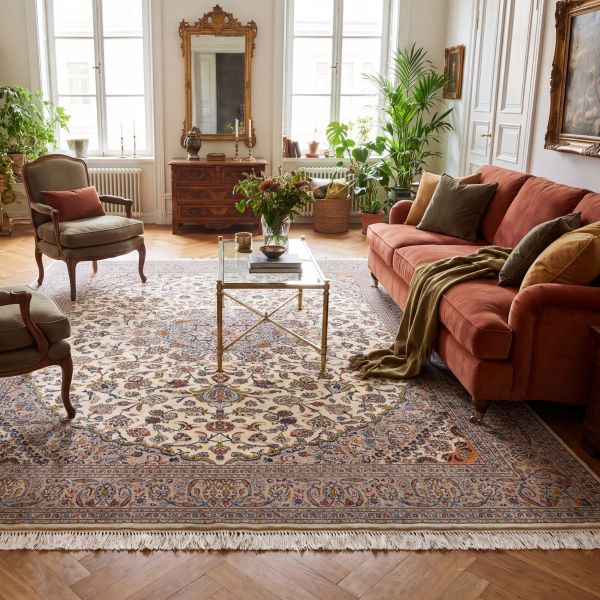
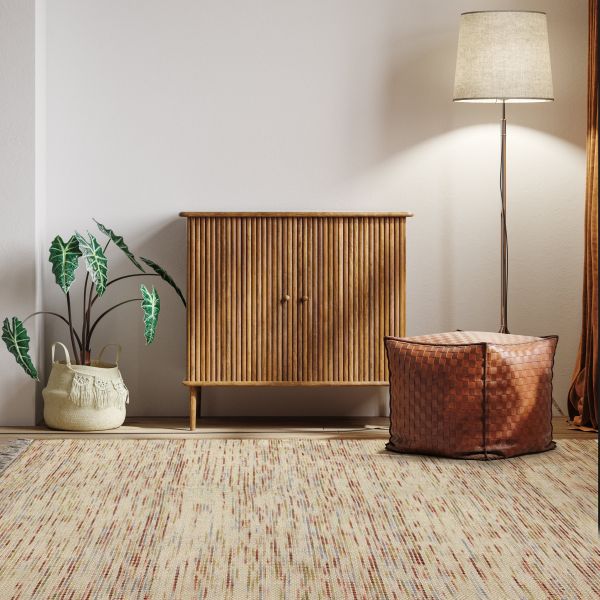
Autumn colors can help guide your selection, but they should not be the only criterion. A hand-knotted rug is intended for long-term use and should therefore also complement your interior in spring and summer. Neutral base colors or balanced color combinations are especially versatile and can be easily paired with seasonal home textiles and accessories.
Quality and craftsmanship also play an important role. Material, knotting, and origin influence the feel, durability, and overall appearance. Choosing a rug that suits how the room is actually used creates a foundation that works independently of short-term decorating trends.
On tile, natural stone, or other cool-feeling flooring, wool rugs are a suitable choice. Their textile surface creates a more comfortable feel underfoot and can enhance living comfort, especially during the cooler months.
For frequently used family areas, durable and easy-care rugs are a smart choice. Virgin wool is a commonly used natural fiber because of its durability. In addition, make sure the rug is placed securely and, if needed, use a non-slip rug pad.
For a richly patterned rug, understated decor is recommended. Individual colors from the rug can be echoed with pillows, throws, or ceramics without repeating the entire pattern. This creates a cohesive overall look.
Yes. In large or open living areas, multiple rugs can define different functional zones. To keep the decor feeling cohesive, it helps to use a shared color, material type, or design feature as a unifying element.
The look and feel of a rug can be changed by the surrounding colors and materials. In fall, for example, warm earth tones and textured fabrics can be used. In winter, different pillows, throws, curtains, and light sources create a fresh look in the room, while the rug itself remains unchanged.
Both options can work. Dark colors create stronger accents and can visually define large rooms, while light-colored rugs can make smaller or dimly lit spaces feel more open. The key factors are the floor color, furniture, and the amount of natural light.