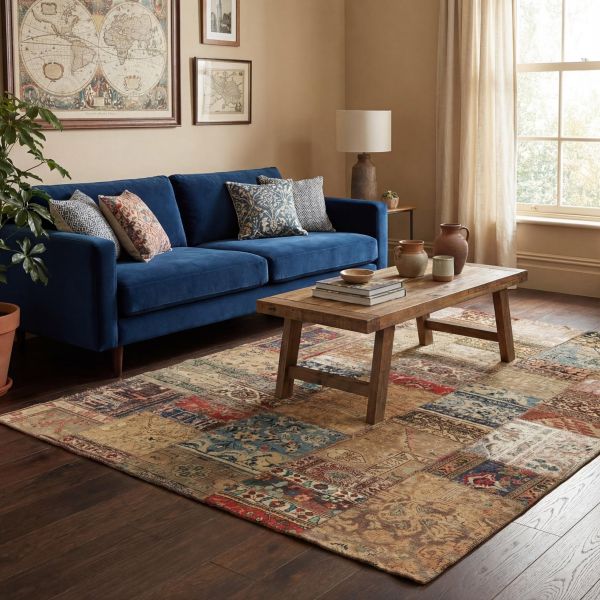
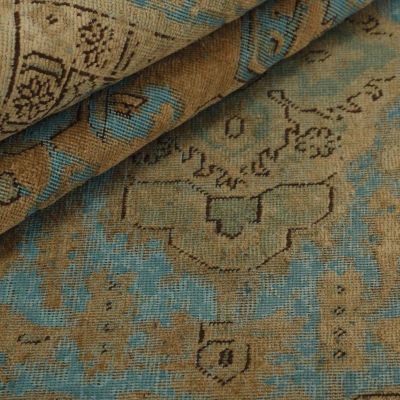
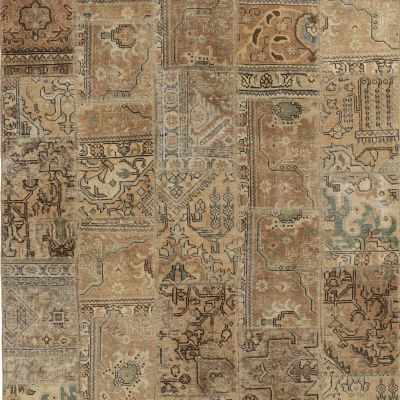
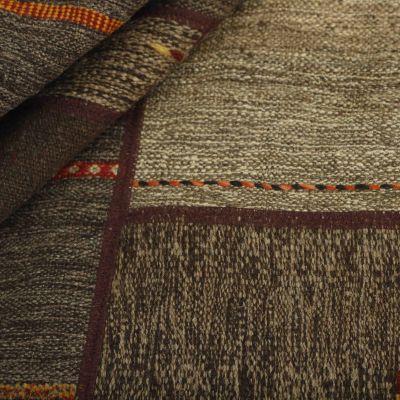
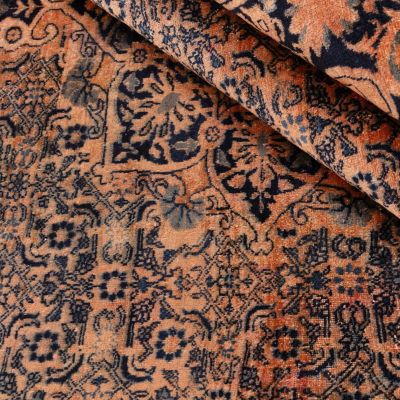
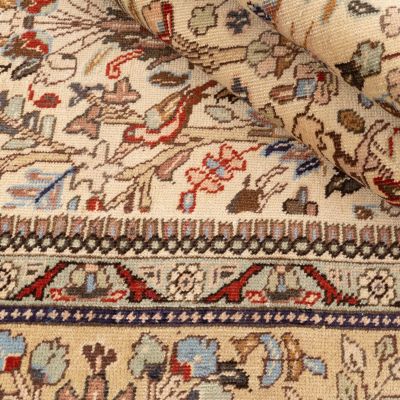
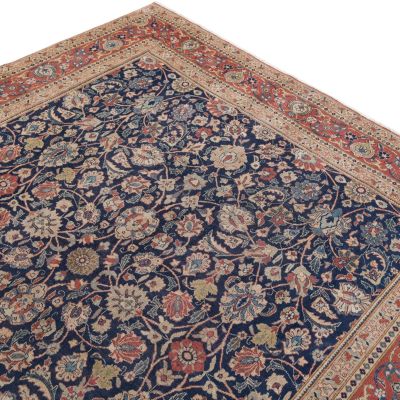
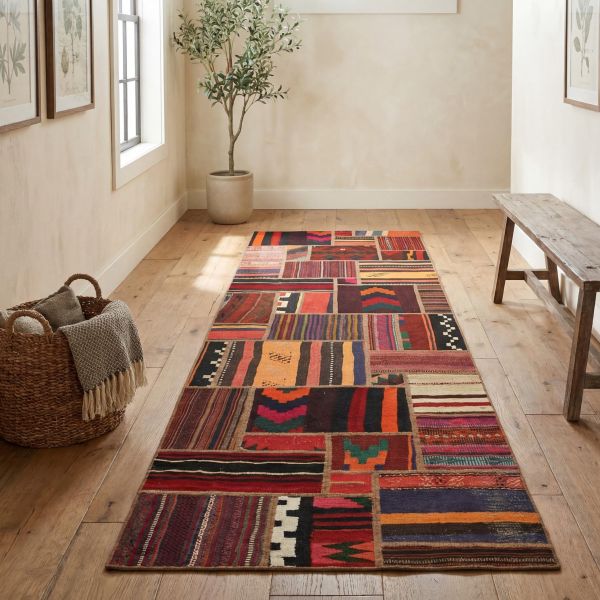
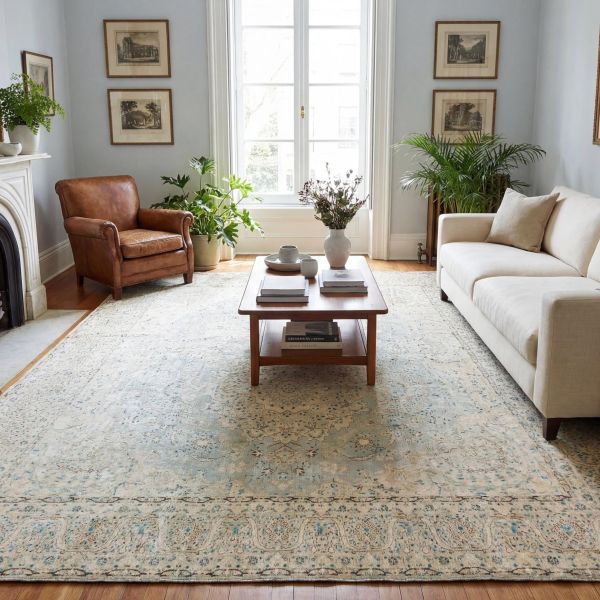
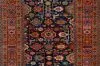
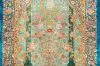
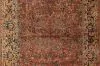
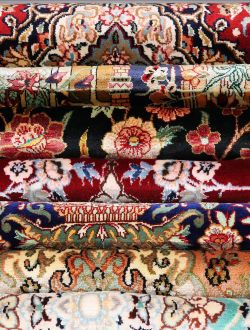
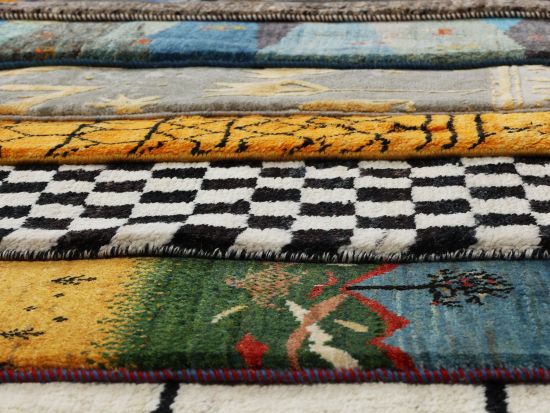
You can tell where a vintage or patchwork rug belongs just by looking at it. Heavily reworked pieces with clear color overlays or visible breaks stand out immediately and draw the eye into the room. Rugs where the pattern, texture, and wear are still clearly visible, on the other hand, feel more cohesive and blend more easily into existing interiors. In between, there are many variations, depending on how much the original rug was altered and how present that transformation remains.
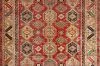
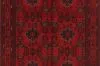
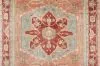
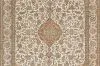
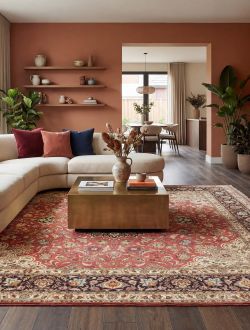
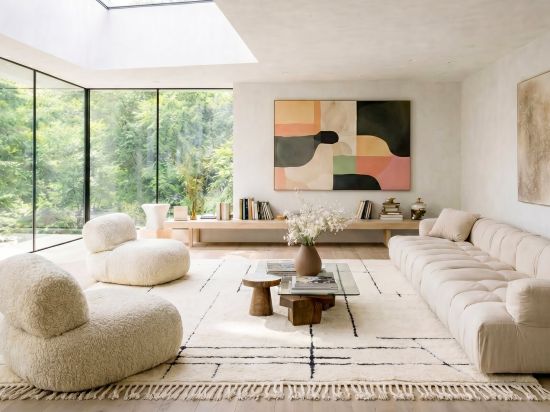
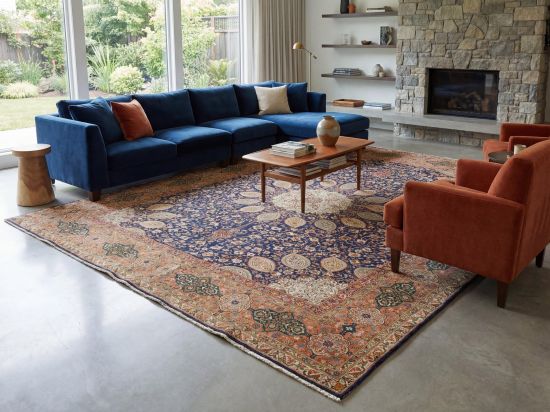
In more minimal, modern living concepts or interiors with an industrial feel, these rugs are often used to break up the clean atmosphere and create bold accents. In rooms with materials like concrete, stone, wood, or leather, a richly colored Colored Rug Red or Orange creates a warm contrast in style. Vintage and patchwork rugs also often play an active role in more vibrant interiors, such as Boho or eclectic styles. Different colors, visible transitions, or deliberately used contrasts make the rug itself part of the design. A Patchwork Rug Beige, in particular, can be used intentionally here to highlight and structure the overall ambiance of the room.
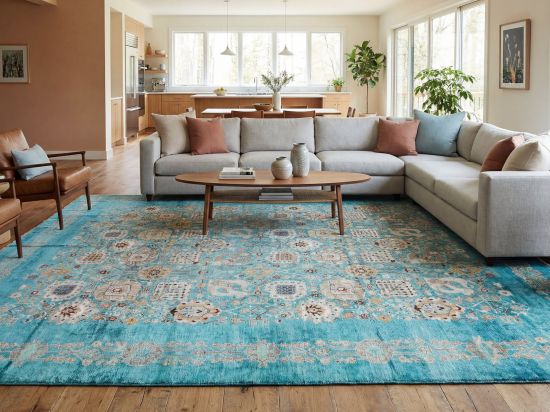
The use of color can also be controlled very deliberately. Solid color fields with intense tones create bold accents and intentionally draw attention, while rugs with broken or aged color structures blend more naturally into existing color schemes. A Vintage Rug Green, in particular, can give a room a sly, almost Tim Burton-like look. What matters most is not the individual color itself, but the effect it creates in combination with furniture, flooring, and light.
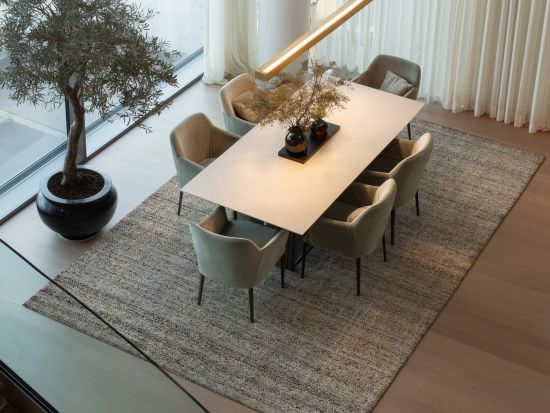
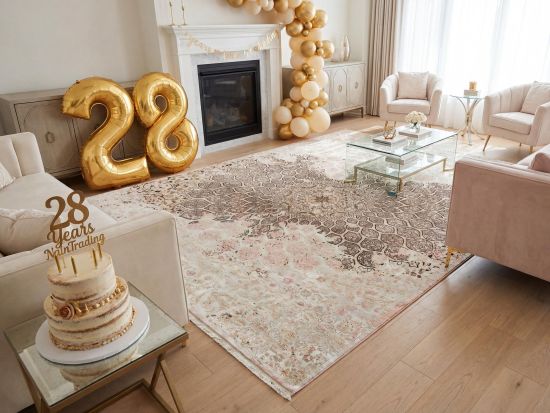
Rooms with classic interiors or high-end furnishings often benefit from rugs with visible aging or original substance. Here, it is less about contrast and more about depth and materiality. An uneven surface or natural signs of wear do not feel disruptive in these settings, but instead enhance the overall impression.


















.jpg)