Anniversary Sale
Save up to 20% – even on already discounted rugs!
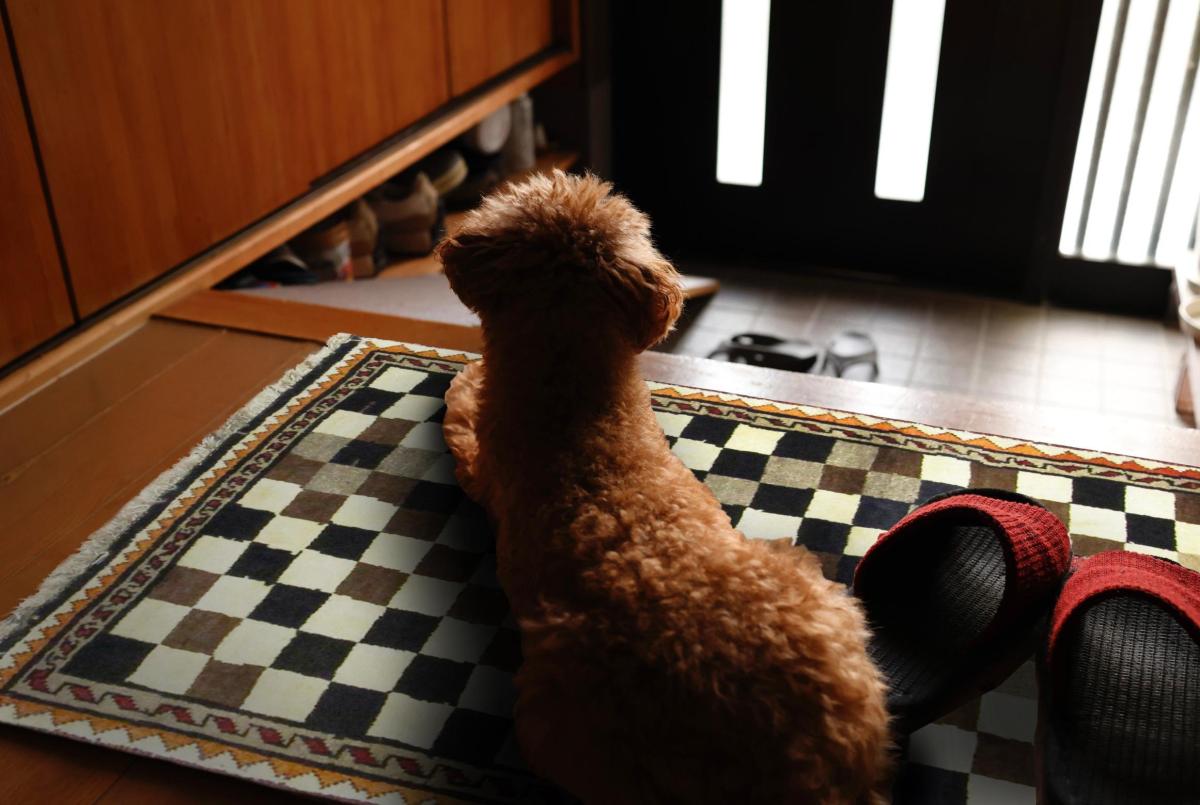
“Gabbeh” is a Persian word that literally translates to “raw” or “simple.” The carpets that bear this name originally come from the south of Iran and are among the most traditional forms of hand-knotted carpets. They are characterized by simple patterns, vibrant colors, and a dense wool structure.
Today, there are Gabbeh carpets in many variations: traditional, finely knotted, modern interpretations, or machine-made.
You may be asking: Where do Gabbeh carpets come from? What does Gabbeh Loom mean? Or how do I properly care for a Gabbeh carpet? Then you are in the right place.
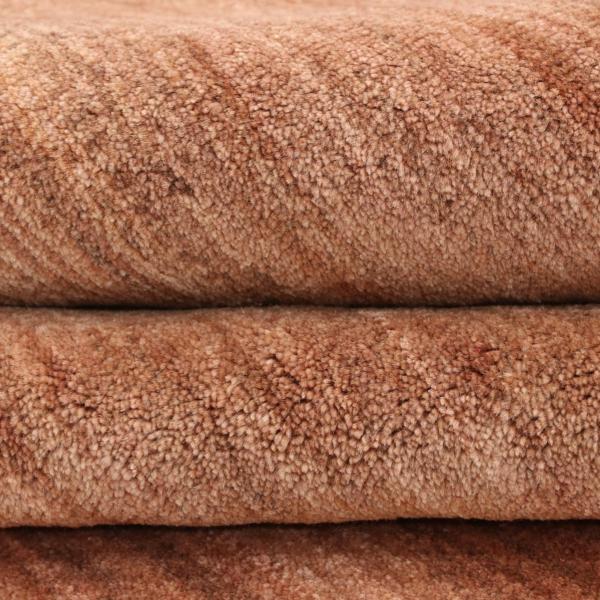
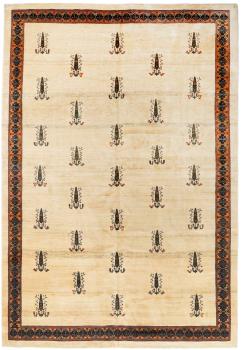
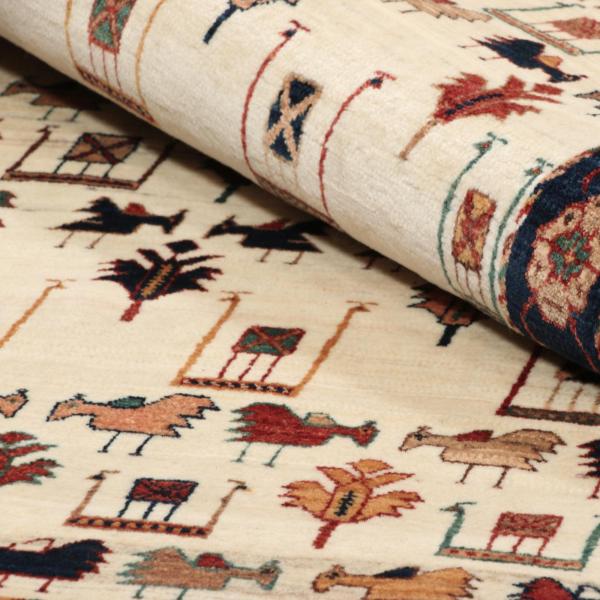
The classic Persian Gabbeh is the centerpiece of the Gabbeh tradition. It originally comes from nomadic tribes in Iran, who knotted these rugs for their own use, directly from their imagination. This freedom is reflected in every piece.
The knotting is intentionally coarse, with a high and pleasantly soft pile. Typical are simplified motifs such as animals, trees, people, or abstract symbols that tell a story from the everyday life of the weavers.
In terms of color, the rug ranges from vibrant red, blue, orange, to natural earth tones.
The wool is untreated and often dyed with plant-based colors, which gives the rugs a particularly natural appearance. The Persian Gabbeh is not a mass-produced rug – it has corners, edges, and a lot of character.
Tip : Ideal for living rooms or open kitchens where handcrafted warmth and individuality are welcome.
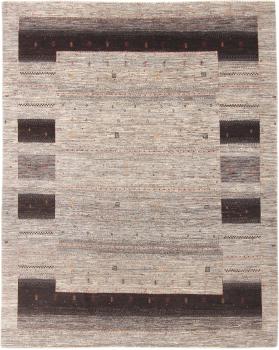
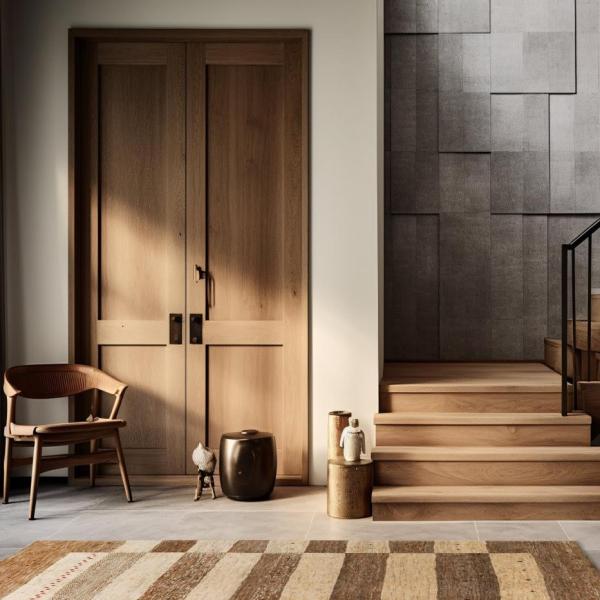
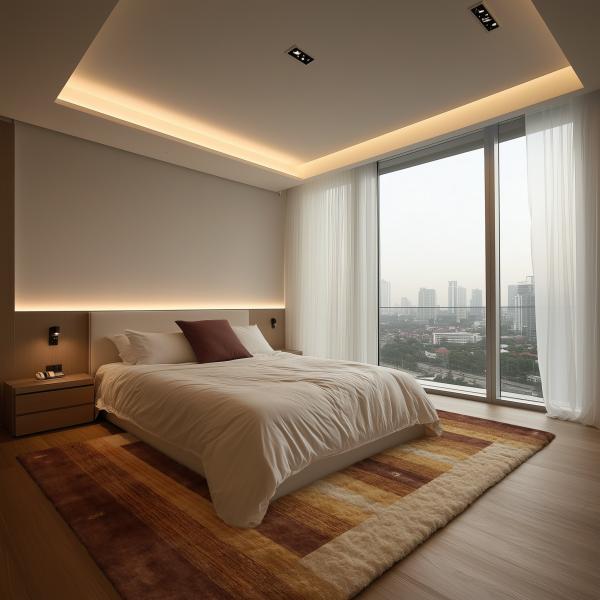
The Persian Gabbeh Loribaft is the refined version of the classic Gabbeh. It is made by the Lurs, a nomadic people in southwestern Iran, and is characterized by a significantly higher knot density.
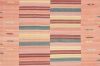
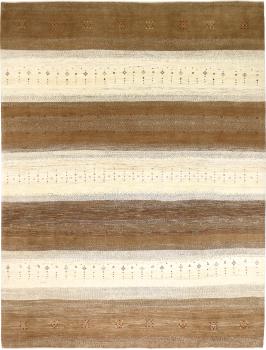
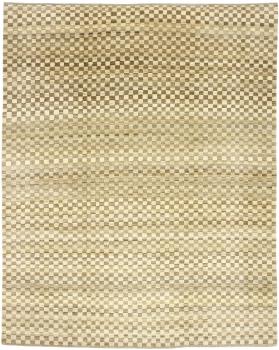
This gives it a more structured, elegant, and somewhat calmer overall appearance. It often features large, color-gradient areas with occasional motifs, such as small animals, plants, or stylized symbols.
The colors are muted, warm, and harmonious: Ochre, Rust, Olive, or Cream.
Due to the high-quality wool and precise knotting, the carpet feels denser and smoother. Despite its refinement, it remains down-to-earth: a good compromise between tradition and contemporary design.
Tip : Perfect for bedrooms, reading areas, or minimalist living rooms with natural color schemes.
$12,081
$7,320
$4,403
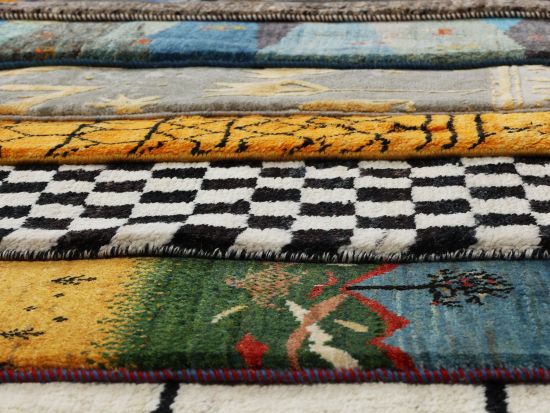
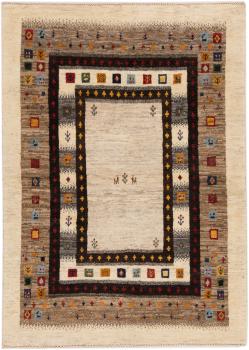
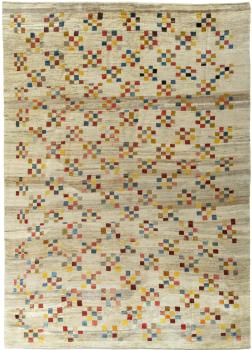
The Nomadic Gabbeh is colorful, playful, and spontaneous. Just like the life from which it comes. It is woven by wandering tribes in a free form, often without exact planning. The result is expressive rugs with irregular, sometimes almost childlike motifs.
Typical are depictions of animals, tents, plants, or symbolic signs that reflect the daily life or spirituality of the weavers.
The color palette is vibrant: Yellow, Blue, Green, and Red alternate to create a cheerful overall appearance. The weaving is coarse, and the pile is thick. This makes it very cozy.
Tip : Especially suitable for children's rooms, creative workspaces, or living areas where individuality is desired.
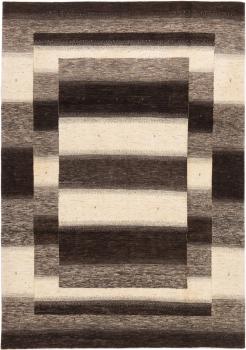
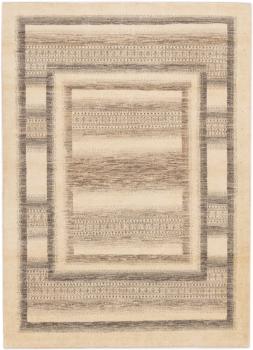
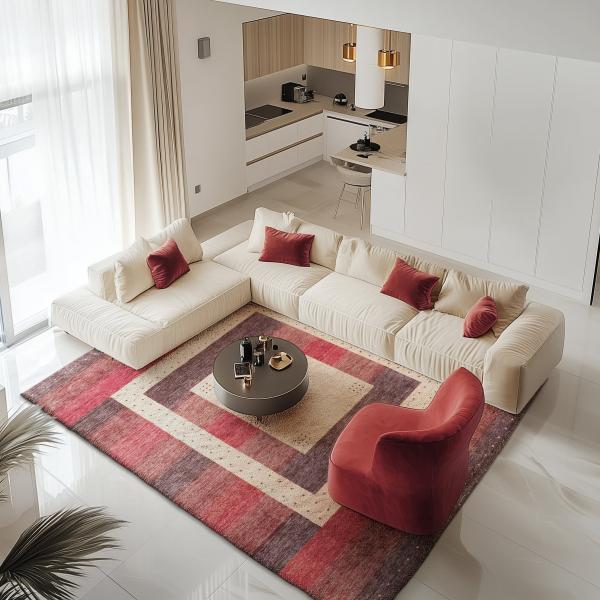
Design Gabbehs are the most stylistically modern variant. They embrace the core idea of the Gabbeh: natural materials, thick pile, geometric patterns. However, they forgo traditional nomadic symbolism.
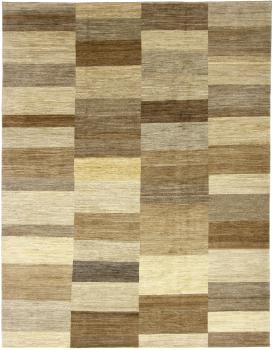
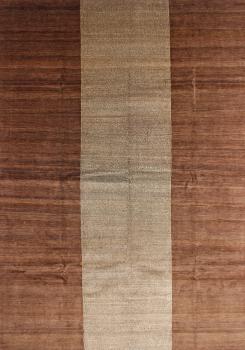
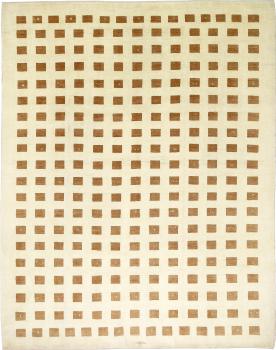
Instead, clear lines, reduced color spectrums, and harmonious gradients dominate. Many models feature minimalist tone-on-tone colors or solid patterns in a calm design.
The knotting is usually fine, and the surface is smooth and pleasant underfoot. Despite the modern look, the origin is still palpable: handcrafted, natural materials, and textile depth. They blend seamlessly into urban, Scandinavian, or minimalist living concepts.
Tip : Optimal for modernly furnished living or working spaces with clear structure and neutral colors.
Kashkuli Gabbehs are top-tier rugs.
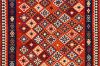
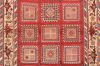
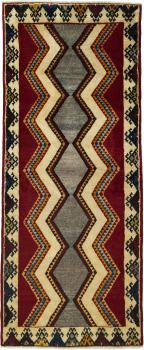
The Ghashghai tribes that weave them use the finest wool and a very high knot density. The result is rugs with clear, intricate patterns and vibrant colors. Classic motifs such as diamonds, trees of life, or lines are depicted in detail.
Dominant colors include vivid shades of red, deep blue, and contrasting ivory.
Despite their sophistication, each rug radiates a sense of originality. The combination of tradition, precision, and material quality makes the Kashkuli a durable, high-quality rug that retains its character even after decades.
Tip : Ideal for representative spaces, formal living rooms, or dining areas with high-quality furniture.
$1,569
Rizbaft literally means "finely knotted" .
These rugs are true works of art: very high knot count, even pile, precise lines. The patterns almost resemble paintings because they are detailed, clear, and often feature complex symmetry.
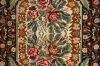
Floral ornaments, geometric shapes, or abstract forms of nature are common. The colors are also carefully coordinated: noble dark red, midnight blue, fine beige. Due to their density, Rizbafts appear very compact and high-quality.
At the same time, they remain robust and durable. Persian Gabbeh Rizbaft are beautiful and practical at the same time.
Tip : Perfect for bedrooms, elegant living rooms, or places where quality can be showcased.
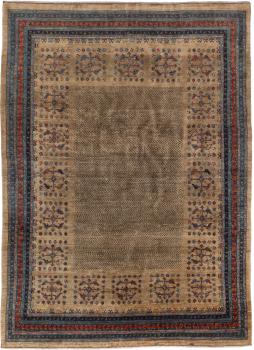
Antique Gabbehs are living history. They were made not for sale, but for everyday use. The pile is worn, the colors have gently faded, and the pattern appears almost ghostly. But that is exactly what gives them their charm.
Each rug is a unique piece with a visible past. Small repairs, shading, and irregularities are part of the character. They fit perfectly in spaces with patina, character, and real life. Those seeking authenticity will find it in the Antique Persian Gabbeh.
Tip : Especially effective in older apartments, reading rooms, or among vintage furniture.
Less design, more substance:
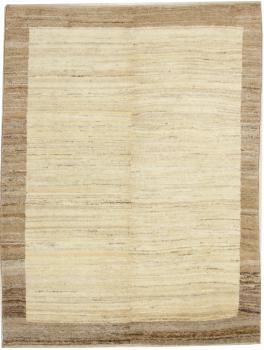
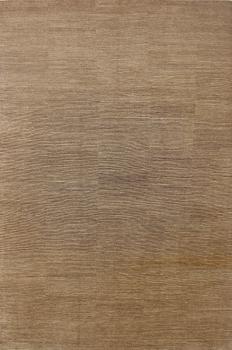
Essence stands for the essential. No patterns, no contrasts: just color, wool, texture. The effect is meditative, almost dissolving space. These rugs radiate tranquility and invite concentration.
Tip : Perfect for bedrooms, meditation, or reading areas where minimal distraction is desired.
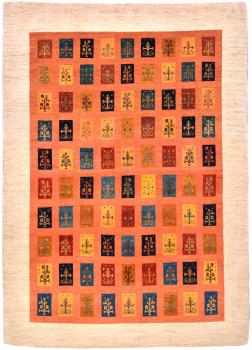
The Indo Gabbeh is the Indian version of the classic Gabbeh. Hand-knotted from high-quality wool, with a colorful yet orderly design. It incorporates traditional patterns: stylized animals, trees, lines, and interprets them in a somewhat clearer and more symmetrical manner.
The color palette is vibrant yet harmonious: Red, Beige, Blue, and Green.
The wool often comes from Indian or New Zealand sources, and the pile is soft and durable. The Indo Gabbeh offers an authentic look at a generally more affordable price.
Tip : Well suited for living spaces, children's rooms, or hallways with heavy foot traffic.
The Indo Gabbeh Loribaft combines Indian knotting art with the Loribaft style.
This means: finer knotting, dense structure, calm patterns. Often, a single symbol appears on a solid background. The colors are usually earthy, sometimes pastel. The effect is elegant and not intrusive. These rugs fit modern decor styles as well as traditional furniture.
Tip : Ideal for subtly furnished bedrooms or home offices with a focus on clarity.
A very special mix: Bamboo Silk Rugs combine the typical Gabbeh structure with a shiny pile made of bamboo viscose.
The material feels cool and silky, reflecting light with a slight shimmer. The patterns are usually very modern, often abstract or quite minimalistic.
Color-wise, noble tones dominate: Gray, Silver, Cream, or Gold.
The effect is luxurious – almost like a carpet painting. Due to the smooth surface, maintenance is a bit more sensitive.
Tip : Best suited for bedrooms, lounge areas, or quiet zones without shoes or heavy foot traffic.
These hand-woven rugs are inspired by the design of the Lori-Gabbehs.
What does Gabbeh Loom mean?
The term "Loom" refers to the weaving technique: Loom Gabbehs are not knotted, but woven on traditional looms (English: "loom") – mostly in places like Bhadohi, India. This creates a particularly even, flat structure that proves itself in everyday use.
Clear, geometric patterns, warm colors, uniform pile. The loom production allows for a stable, durable structure: ideal for everyday use.
The designs are intentionally kept simple, without embellishments. The colors predominantly feature terracotta, sand, gray, and rust.
Tip : Perfect for heavily used spaces such as dining rooms, hallways, or family areas.
$2,065
$619
The Loom Gabbeh is a particularly simple yet characterful variant of the Gabbeh rug. Unlike heavily patterned models, it often comes without symbols – usually solid-colored or with subtle tonal gradients.
What many don't know: Loom Gabbeh rugs often come from Bhadohi, a small town in northern India known as a center for handwoven rugs. They are handcrafted on traditional looms. The pile is flat, even, and firm, making the rug particularly easy to care for.
Its calm design makes it a versatile companion for modern living concepts where restraint is required. The fine weaving structure reveals its effect particularly well in daylight: the interplay of light and texture creates depth without an intrusive pattern.
Tip : Ideal for rental apartments, offices, studies, or hallways – anywhere a quiet, durable rug is needed that does not dominate.
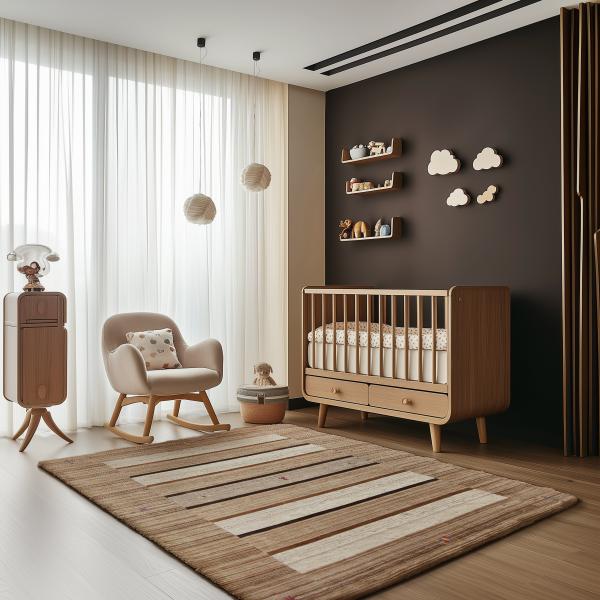
$1,403
$1,053
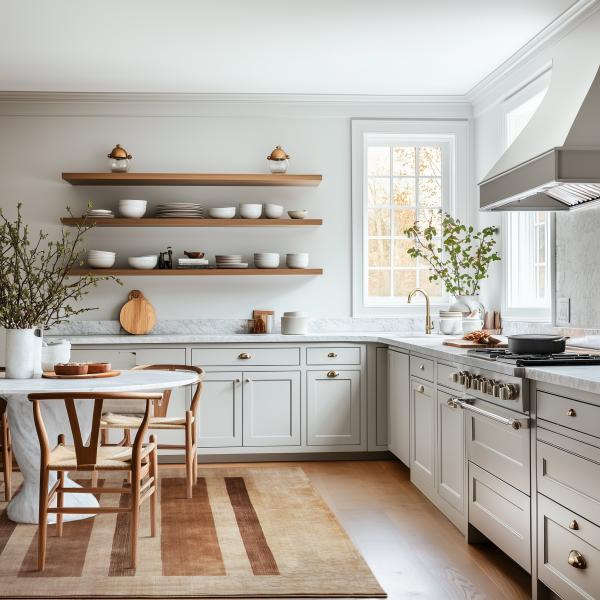
$1,431
The Future Echo Gabbehs bring design to the forefront.
Geometry, graphic structures, contrasts – all on a robust Gabbeh foundation. The patterns are modern, often inspired by digital forms or architecture. The pile remains dense, and the wool is of high quality.
With their graphic patterns, Future Echo rugs make a conscious statement in simple interiors.
Tip : Great for open living concepts, modern lofts, or as a contrast to minimalist furniture.
Arctic Models focus on cool colors: Gray, White, Icy Blue.
The patterns are barely visible: often only hinted at, very calm, very structured.
The result: a rug that takes a back seat but radiates clarity. Especially when combined with wood or glass, it appears fresh and organized.
Tip : Ideal for hallways, kitchens, or Scandinavian-inspired spaces with light and air.
These rugs combine graphic design with machine weaving technology.
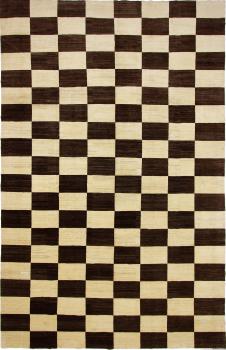
The result is uniform, flat rugs with clear patterns: often grids, waves, or large color fields. The structure is robust, and the effect is modern.
Tip : Ideal for home offices, studios, or living areas with modern art and clear architecture.
Naturescene-Gabbehs tell stories of landscapes, sky, and trees – but not realistically, rather in an abstract form.
The patterns appear as if they are dabbed on, almost impressionistic. The colors are soft: moss green, sky blue, ochre. The pile is high, and the knotting is loose, which makes them very cozy.
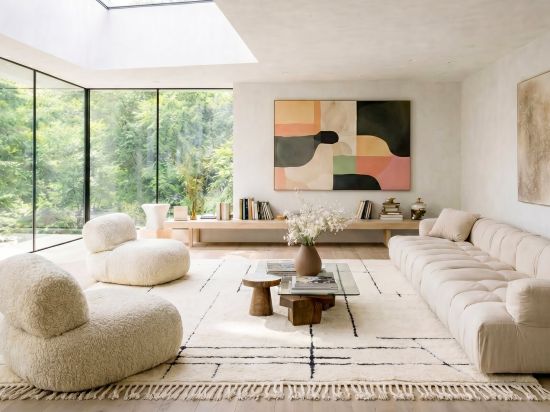
Tip : Wonderful in living rooms with natural materials, large windows, or retreats with views of greenery.
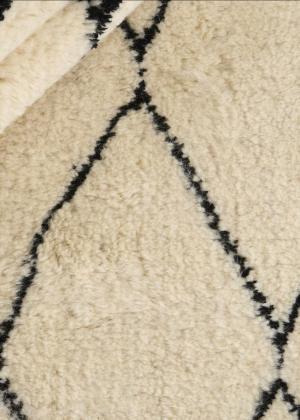
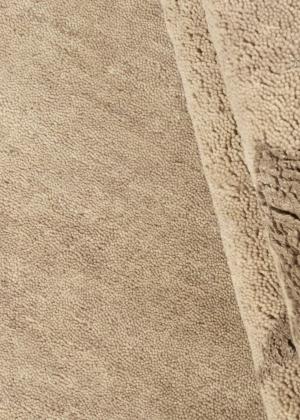
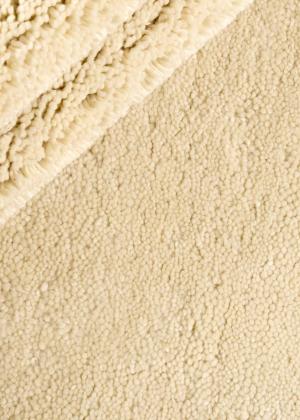
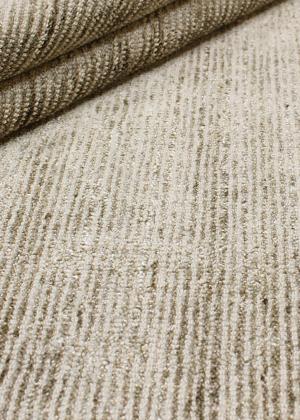
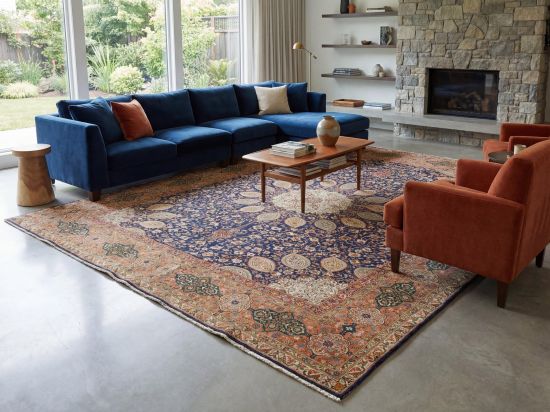
Gabbeh rugs are versatile and can be used in various settings. Depending on the style and design, they can be easily integrated into different rooms:
| Room | Recommended Size |
|---|---|
| Living Room | 79×118 inches or larger |
| Dining Area | 79×98 inches or 98×118 inches |
| Bedroom | 67×94 inches or 79×118 inches |
| Hallway / Entryway | 31×79 inches or 39×118 inches |
| Children's Room | 47×71 inches or 55×79 inches |
| Home Office / Study | 55×79 inches or 63×91 inches |