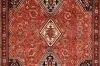
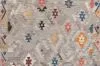
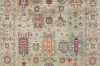
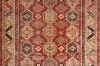
Black Weeks – Exclusive 20% off all rugs
Discover distinctive rugs for a home with character. Enjoy 20% off our entire rug collection during Black Weeks.
Discount code: BLACK20

The bathroom has become more than a purely functional space. Natural materials, warm colors, plants, and carefully chosen home accessories can make it feel more inviting. A rug can make a noticeable difference: it softens the often cool feel of tile and ceramic, adds color and texture, and creates a comfortable, welcoming atmosphere.
But can you place an authentic oriental rug, a Gabbeh, or a Berber rug in the bathroom? In principle, yes—but it depends on the rug, where you place it, and, above all, the moisture level in the room.
Bathrooms often feature smooth materials that can feel cool: tile, natural stone, glass, metal, and ceramic. Textiles offer a distinctive contrast.
A rug adds a soft surface, color, and pattern to the room and can change the overall feel of a bathroom. This can bring a sense of warmth and personality, especially to large or minimally furnished bathrooms.
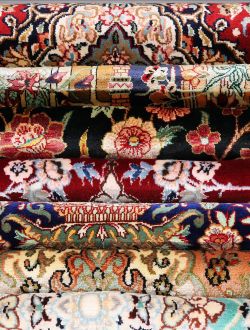
Hand-knotted rugs also have the advantage of feeling more distinctive than a standard bathroom accessory. Subtle variations in pattern and color, along with traditional craftsmanship, give each piece its own character.
The two serve different purposes. A traditional bath mat is designed primarily to absorb water, so it can be placed directly in front of the shower or bathtub. It should be easy to wash and quick to dry.
A rug, by contrast, is primarily a decorative element. It should be placed where it won’t regularly get soaked. If you need both functions, you can combine them: a practical bath mat in the area directly exposed to water and a decorative rug in a dry area of the bathroom.
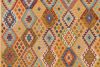
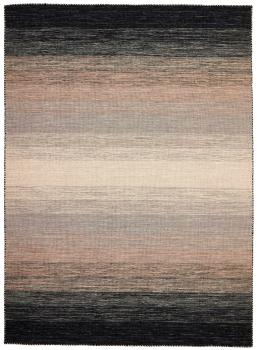
Kilims can be an appealing choice for bathrooms. Their flatwoven construction gives them a light look and makes them easy to fit into narrower spaces.
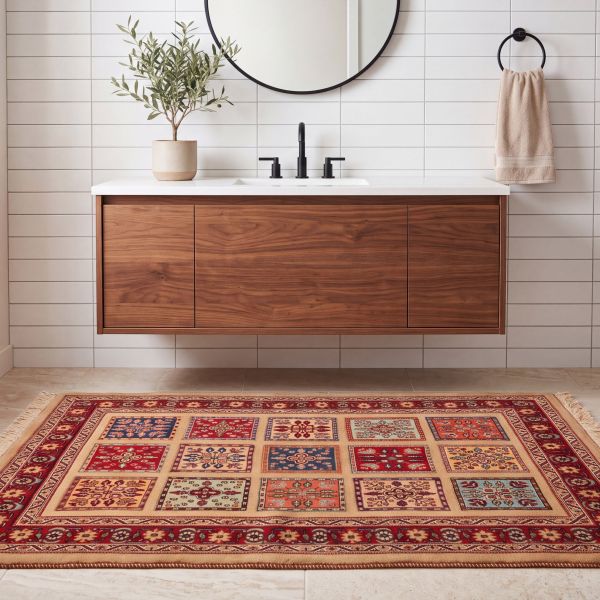
Their typically geometric patterns also work well in modern bathrooms. A Kilim can look particularly attractive in front of a long vanity or as a runner.
Even the most beautiful rug won’t work if its size or placement doesn’t suit the room. Before buying, take the time to measure the area where you plan to place it.
A runner or a small rectangular rug often works well in front of a bathroom vanity. The important thing is that the floor in this area is not regularly exposed to large amounts of water.
At a double vanity, a runner can visually connect the two sink areas.
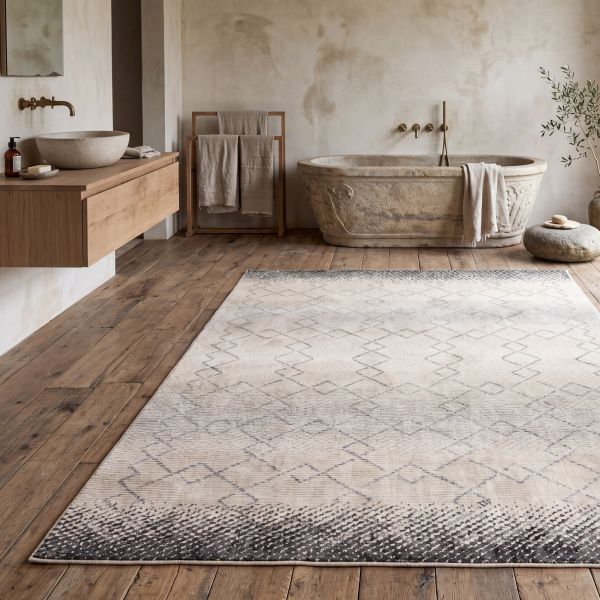
A rug can look particularly elegant near a freestanding bathtub. Rather than placing it right next to the tub, leave some space between them to keep it out of the main splash zone.
A runner works well in narrow or elongated spaces. For example, it can run between the vanity and the opposite wall, helping define the bathroom’s layout.
In small rooms, less is often more. A compact rug can add just enough color and warmth.
Make sure doors and drawers can open without catching on the rug, and leave enough clear space to walk comfortably.
Spacious bathrooms offer more options. A rug can even help visually define separate areas.
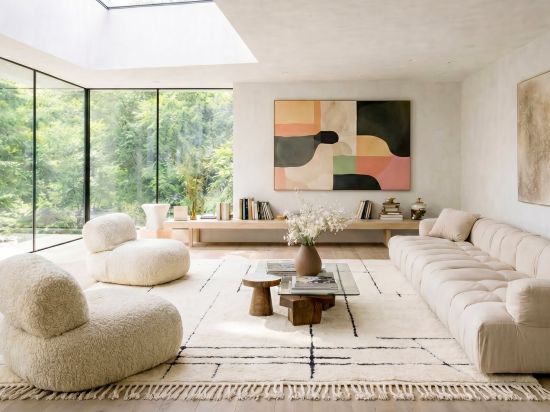
A larger Oriental rug placed between the vanity, a bench, and a freestanding bathtub can, for example, give the space a feel much like a living room.
Safety matters on smooth bathroom tile. A suitable nonslip rug pad can help keep the rug from shifting when you step onto it.
If your bathroom has underfloor heating, check that both the rug and the pad are suitable for use with it. Follow the manufacturer’s instructions and care guidelines for each.
Along with practical considerations, your personal taste will help guide your choice.
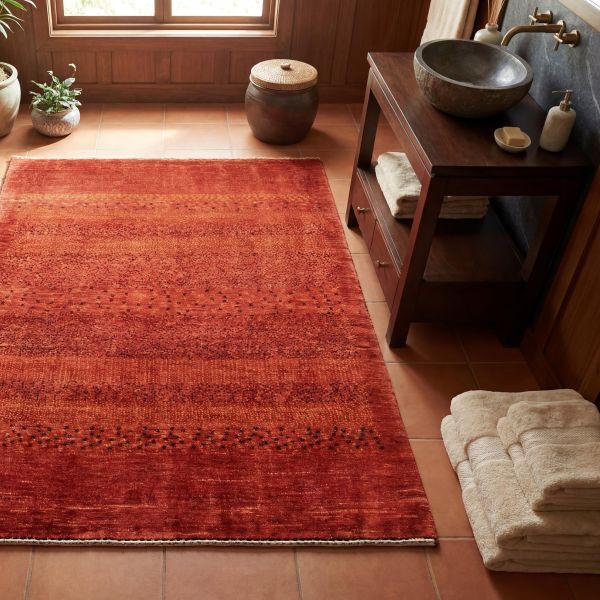
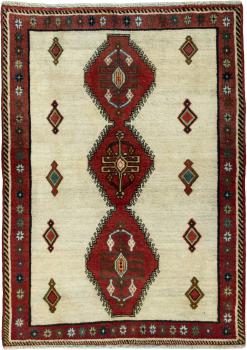
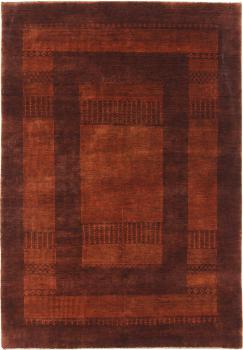
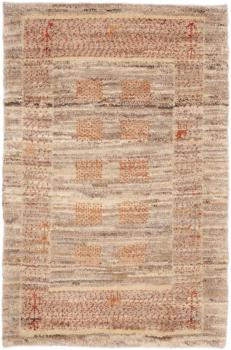
Clean lines and understated rug patterns can work especially well in a modern bathroom. A simple Gabbeh rug, for example, adds a warm accent without competing with the rest of the decor. A single bold color can also make a striking impression in an otherwise monochromatic bathroom.
Light walls, wood, natural stone, and muted colors pair well with cream, beige, and other natural tones. Berber rugs or understated wool rugs complement this aesthetic while adding warmth.
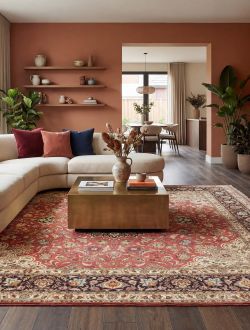
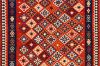
In this style, the rug can take center stage. Warm reds and earth tones, traditional motifs, or a distinctive Kilim can instantly give a simple bathroom more personality.
Plants, wood, and natural accessories enhance the effect.
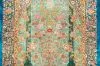
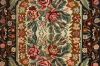
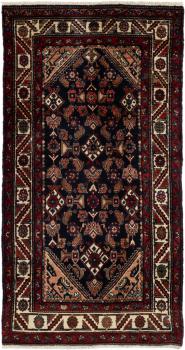
A finely patterned Persian rug can give a spacious bathroom a distinctly elegant look.
Nain, Tabriz, and Isfahan rugs are particularly striking thanks to their intricate patterns. For high-quality rugs like these, however, a dry location away from areas exposed to water is especially important.
A bathroom places different demands on a rug than a living room or bedroom. A few simple habits, however, can go a long way toward keeping it looking good over time.
After a shower or bath, moisture in the air should be able to escape the room as quickly as possible. Windows or an effective ventilation system are especially helpful.
If water gets on the rug, let it dry completely. Leaving a damp rug on the tile floor for an extended period is not a good idea.
Hair, dust, and other small debris can accumulate in the bathroom, too. Regular vacuuming suited to the rug’s material helps keep it clean.
For stains, the general rule is to act as soon as possible. Blot up liquids gently rather than rubbing them into the fibers.
Avoid experimenting with harsh household cleaners, especially on hand-knotted Oriental rugs. When in doubt, professional cleaning is the better choice.
Depending on use, professional rug cleaning may be worthwhile after a while. This is especially true for high-quality hand-knotted rugs, which require cleaning methods suited to their materials, colors, and knotting.
Moisture trapped between a rug and the floor has little chance to evaporate. For this reason, a bathroom rug should never be left on a wet floor for an extended period.
Regular ventilation is essential. It’s also a good idea to lift the rug occasionally and check both its underside and the floor beneath it. If the rug gets particularly wet, let it dry completely before putting it back in place.
A rug can bring something to a bathroom that tile and ceramic alone rarely achieve: warmth, personality, and a welcoming, homelike feel.
What matters is not just which rug you choose, but especially where and how you use it. In areas directly exposed to water, a traditional bath mat remains the more practical choice. In a dry, well-ventilated area,
a Gabbeh, Kilim, Berber, or Oriental rug can become a distinctive design feature.
By considering humidity and ventilation, material, placement, and care, you can make the bathroom feel like a true part of your living space—and choose a rug that is both thoughtfully placed and gives the room a character of its own.