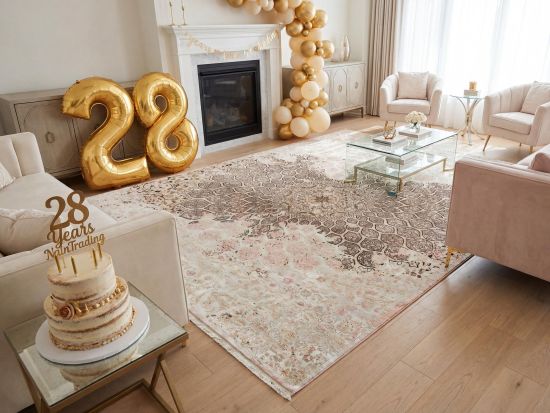
Anniversary Sale
Save up to 20% – even on already discounted rugs!
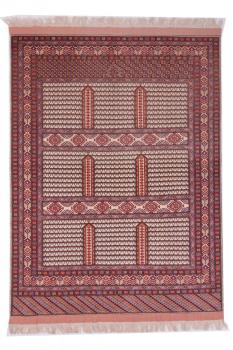
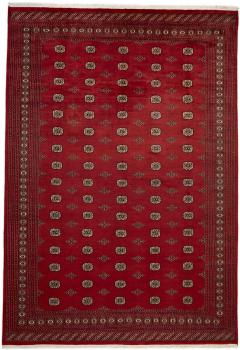
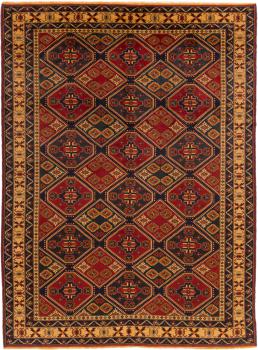
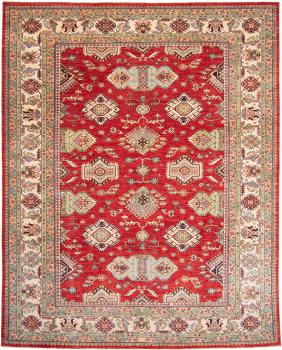
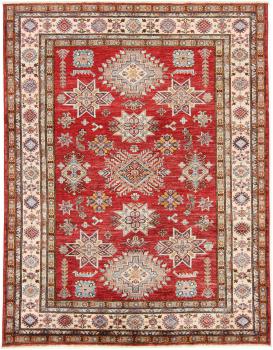
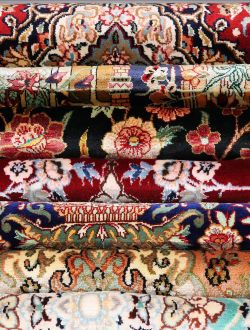
Afghan and Pakistani Rugs have been a part of oriental home culture for centuries. When talking about Afghan or Pakistani rugs, one simultaneously speaks of quality, craftsmanship, and expressive strength.
A Pakistani rug can impress with its fine knotting and intricate ornaments, while an Afghan rug radiates tradition and durability with its bold colors and clear patterns.
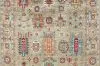
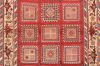
Tip: Before purchasing, first decide whether you are looking for an expressive unique piece (e.g., a Kazak) or an impressive all-rounder (e.g., a Pakistani rug in light colors).
Originally, carpets were part of nomadic life. They were used as flooring in tents, as sleeping mats, as wall hangings, and even as insulation.
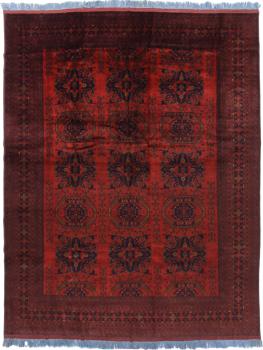
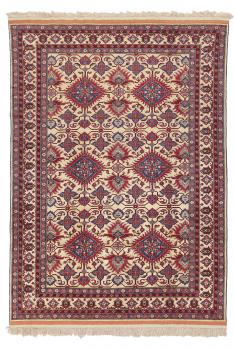
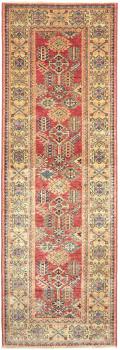
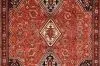
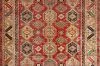
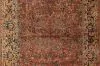
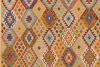
Afghan carpets reflect the life and culture of tribal communities with their shades of red and geometric patterns.
Pakistani carpets developed mainly after 1947, when weavers from India and Persia brought their art to the country. This led to a finer weaving tradition that is now appreciated and popular worldwide.
Tip: A carpet increases in value when its origin can be clearly verified. Always ask for certificates when purchasing.
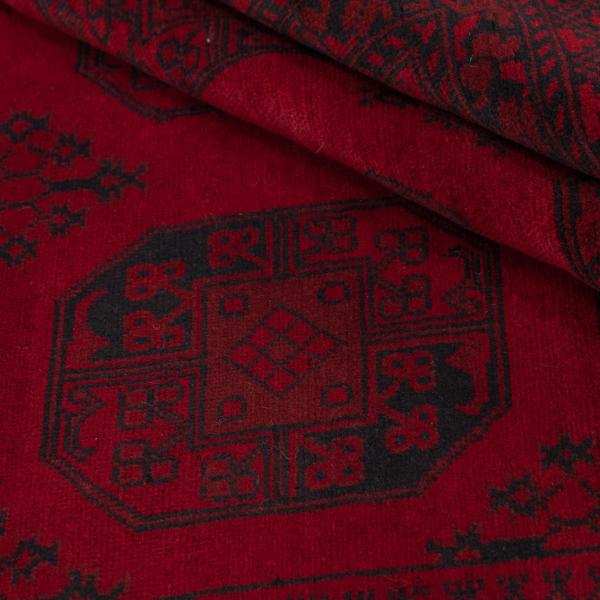
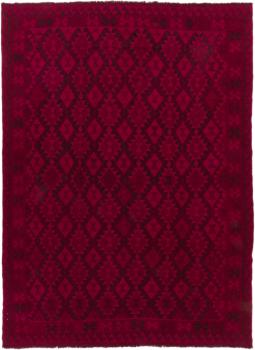
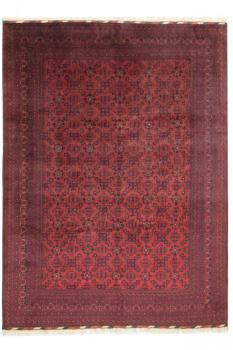
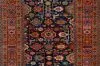
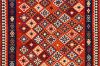
Afghan rugs are characterized by bold shades of red and black. This choice of colors symbolizes strength and protection.
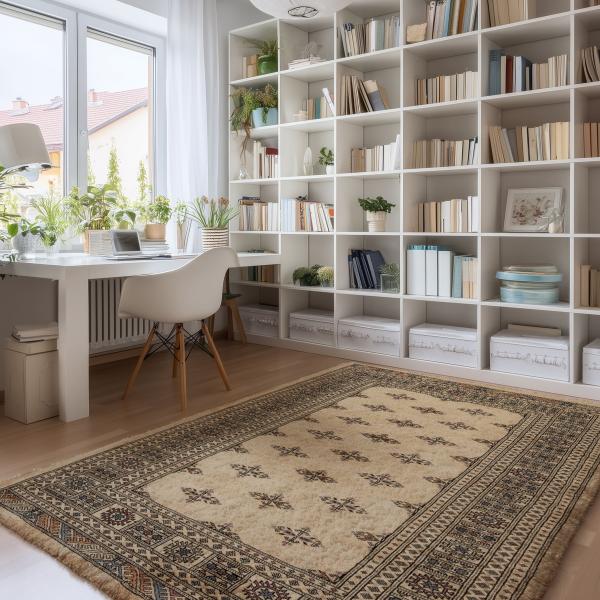
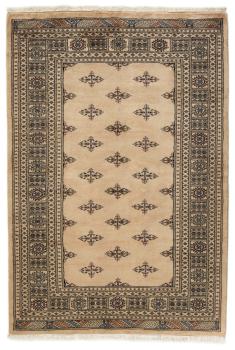
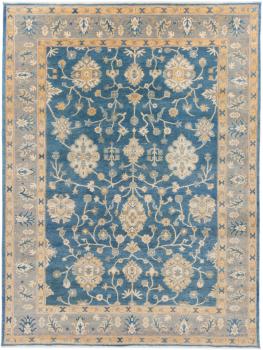
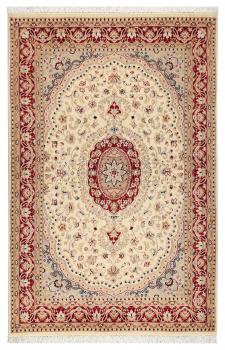
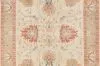
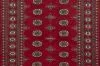
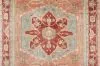
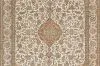
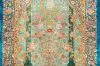
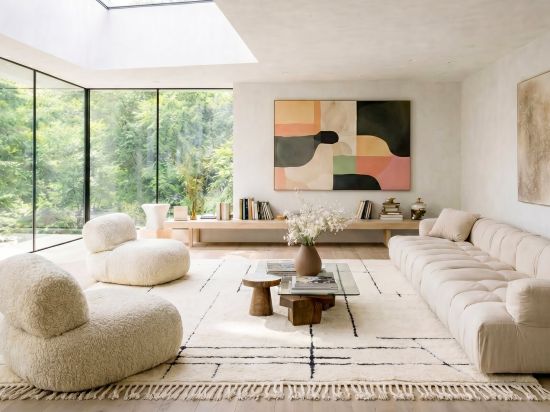
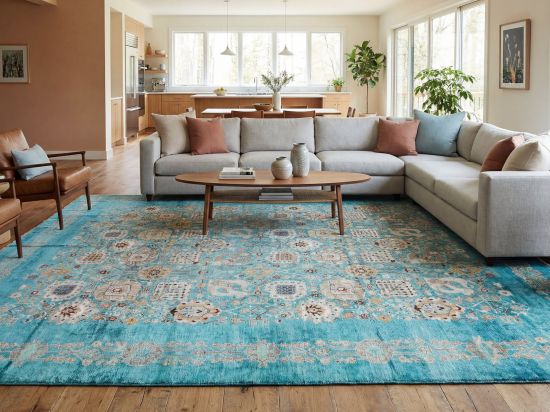
Pakistani rugs often appear lighter and more elegant. With colors like beige, ivory, and blue, these hand-knotted rugs bring calm and clarity to the respective space.
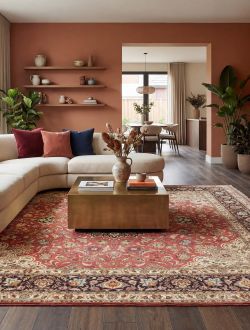
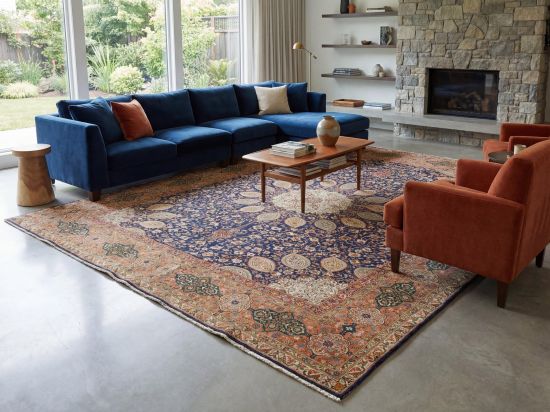
Tip: Dark rugs fit perfectly in large, as well as bright rooms. In smaller spaces, light Pakistani rugs create an airy atmosphere.
Most rugs are made from wool, which is known for its durability and warmth. Luxurious variants contain silk, which creates a fine sheen. Cotton is often used for the warp threads and provides stability.
Tip: Wool has natural dirt-repellent properties. A Pakistani rug made from wool is therefore a good choice for households with children or pets.
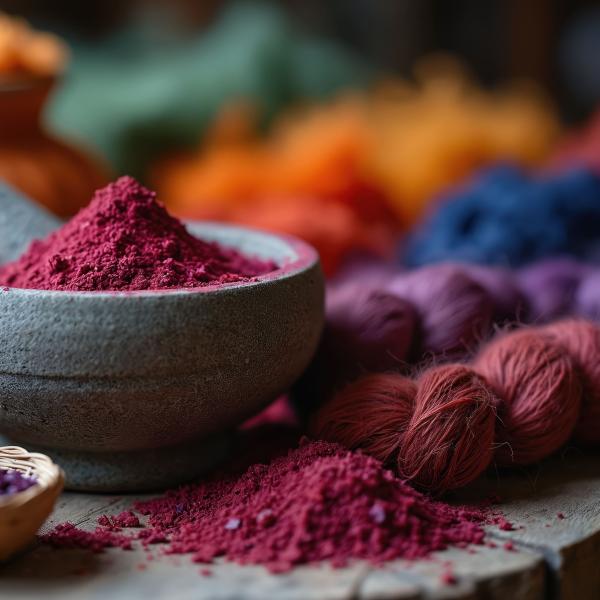
An important aspect of the quality of Afghan rugs and rugs from Pakistan that should not be overlooked is the dyeing of the wool.
Traditionally, natural dyes are used, which are derived from plants, minerals, and insects. This creates the typical warm color spectrum that makes these rugs distinctive and incomparable.
These natural dyes have the advantage of not only being durable but also developing a noble patina over time. This is what makes a hand-knotted Afghan rug or rug from Pakistan a globally popular unique piece.
Tip: Choosing a rug with natural dyes means opting for a piece that gains beauty over the years. Instead of fading, the colors deepen.
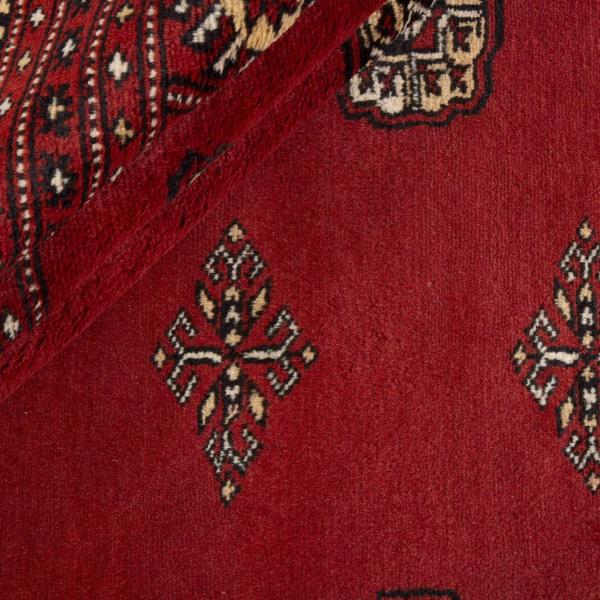
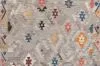
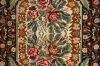
Afghan rugs are usually designed with geometric patterns, while Pakistani rugs feature floral designs and fine borders.
Both utilize traditional Persian or Turkish knotting techniques.
Tip: A genuine hand-knotted rug can be identified by the fact that the pattern on the back is just as visible as on the front.
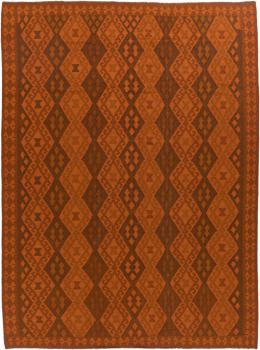
While hand-knotted rugs can showcase a pile due to the knotting, kilim rugs are created using weaving techniques. As a result, they are thinner, lighter, and reversible. Kilim rugs are an excellent choice for spaces like kitchens or hallways.
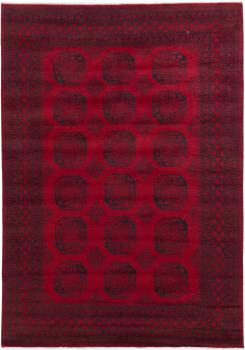
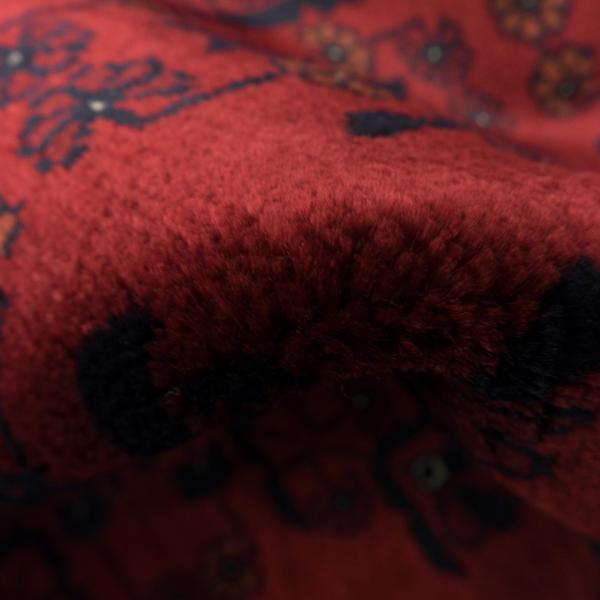
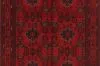
The Afghan Akhche Rug comes from northern Afghanistan. Its dark red base tones, black or blue patterns make this type of rug one of the most well-known Afghan designs.
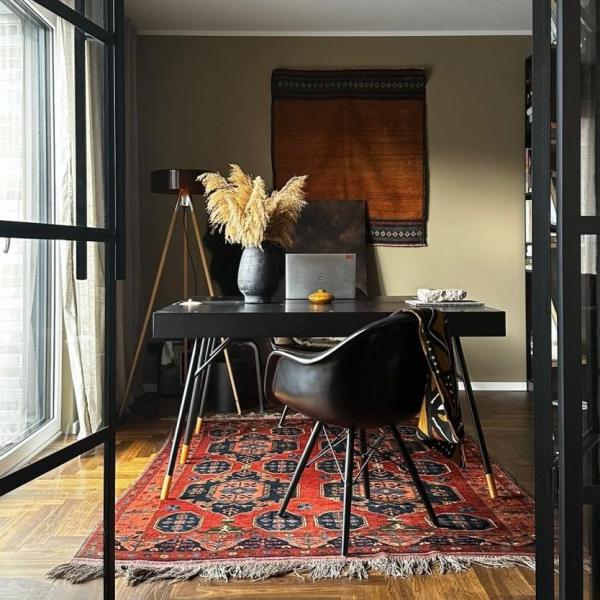
Thanks to its durability, it is excellent for hallways or living rooms, making it suitable for areas where a lot of movement is expected. This model also fits well in home offices, as its clear pattern brings a calm atmosphere to the room.
Tip: Those who value longevity should not overlook the Afghan Akhche. It is considered one of the most hard-wearing Afghan rugs.






.jpg)
.jpg)
.jpg)