Chinese Rugs – Handmade Wool and Silk Designs for Distinctive Interiors
Chinese rugs bring order to a room without flattening it. Their compositions are deliberate, their colors controlled, and their patterns designed to guide the eye rather than overwhelm it. Within the wider world of Oriental rugs handmade Chinese rugs stand apart through restraint—and that restraint is exactly what makes them so effective in contemporary interiors.
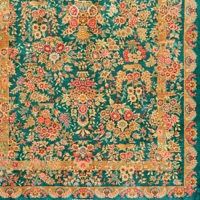
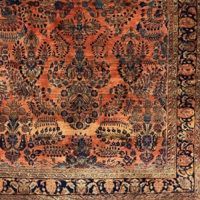
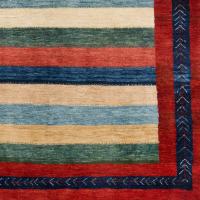
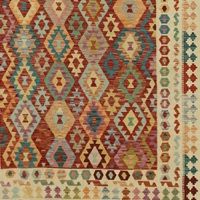
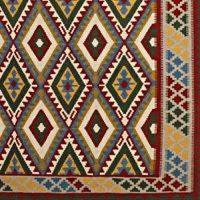
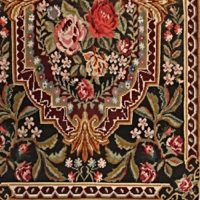
This collection features handmade Oriental rugs from China, woven primarily from sheep’s wool and virgin wool, alongside pure silk rugs and select wool designs with intentional silk accents. These materials aren’t presented as technical features, but as visual tools: matte surfaces for calm, subtle sheen for light, and finely balanced contrasts that give a space depth without visual noise.
What distinguishes Chinese rugs?
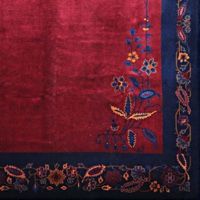
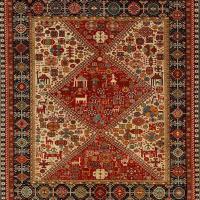
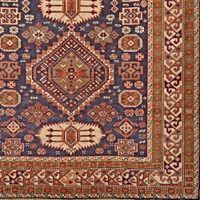
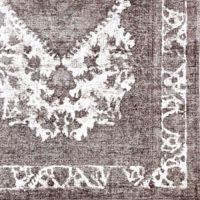
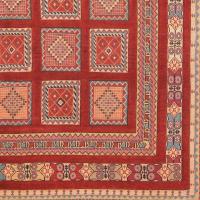
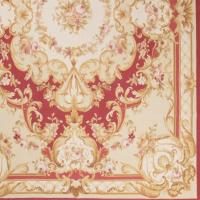
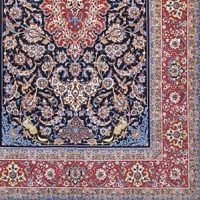
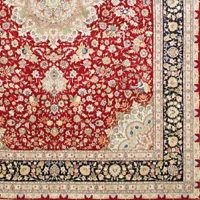
Traditional rugs from China have a distinctive way of approaching space visually, defined by clear composition and a balanced placement of ornaments. Many designs rely on a strong central element—often a symbolic motif or a geometrically patterned medallion—surrounded by generous open fields and framed by measured borders. This structure allows furniture to sit comfortably within the design rather than interrupting it.
In practical terms, a large-format rug can anchor a living room without making it feel crowded. Sofas and lounge chairs rest naturally within the composition, while the open areas of the design keep the room visually calm. Border-focused patterns are particularly effective in dining rooms, where the frame remains visible even when chairs are pulled out.
Color Palettes That Integrate Effortlessly
Chinese rugs are known for color palettes that feel composed rather than decorative. Instead of sharp contrasts or dense multicolor patterning, these rugs tend toward carefully balanced combinations that work easily with wood, stone, and natural textiles.
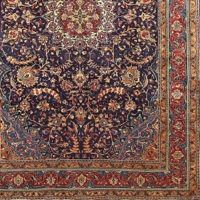
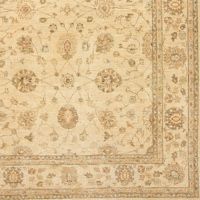
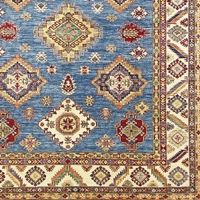
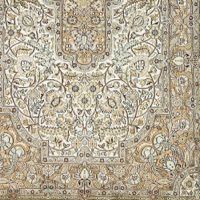
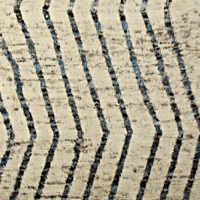
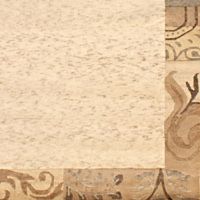
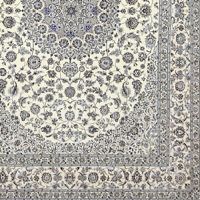
Ivory and warm cream grounds are often paired with mineral blues, muted indigo, softened reds, or quiet gold tones. A blue-and-ivory chinese wool rug pairs naturally with walnut furniture, off-white walls, and linen upholstery. Designs with restrained gold accents feel especially at home in rooms with oak floors, leather seating, or warm ceramic elements.
Wool and Silk as Visual Elements of Chinese heritage in rugs
The wool used in Chinese rugs typically has a dense, even surface that absorbs light. This makes it particularly effective in rooms with reflective materials such as glass, metal, or polished stone, where the rug helps balance harder surfaces.
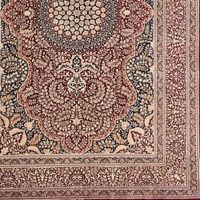
In addition rugs made of wool with subtle silk highlights or rugs from China that are fully made of silk introduce a different effect. Silk catches light gently, changing with movement and angle. In a living room with neutral walls and low-profile furniture, a rug with silk detailing adds depth without adding complexity. In bedrooms, silk surfaces work well with upholstered headboards, layered bedding, and softer lighting.
Chinese Rugs in Real Interiors
Chinese rugs show their strength when used thoughtfully in real spaces.
In a modern living room with generous proportions, a large wool rug in an ivory or soft beige tone creates structure beneath a sectional sofa, a low wooden coffee table, and sculptural lounge chairs. The restrained pattern keeps the focus on form and material, while the scale prevents the seating from feeling disconnected.
In dining rooms, a blue Chinese rug placed beneath a solid wood table and leather or woven chairs defines the space without closing it in. The border frames the dining area visually, while the muted color softens wood floors or stone surfaces.
Bedrooms benefit from the calm geometry of these designs as well. A medium-sized rug placed under the lower portion of the bed highlights the central motif while leaving floor space visible around the edges. Combined with linen bedding, warm lighting, and minimal wall décor, the effect feels considered rather than styled.
Choosing the Right Rug Size
Chinese rugs are most convincing when they are allowed space around them. Visible flooring at the edges often enhances their composed appearance rather than detracting from it.
In living rooms, rugs that allow at least the front legs of seating to rest on the surface create a cohesive arrangement. In dining rooms, selecting a rug that extends well beyond the table ensures chairs remain comfortably positioned. In bedrooms, moderate to generous sizes provide softness without overwhelming the room.
These proportions support the design instead of cutting it short.
A Refined Alternative Within Oriental Rugs
Compared to more densely patterned Oriental rugs, Chinese rugs offer a calmer rhythm. They are a natural choice for interiors where architecture, furniture, or art already play a leading role. Rather than competing, they bring balance.
Within a broader home, they pair easily with silk rugs, larger statement rugs in living spaces, or more decorative pieces elsewhere—creating variety without losing coherence.
Each rug in this collection is selected for clarity, material quality, and long-term relevance—pieces meant to live with you, not follow short-lived trends.
Frequently Asked Questions About Chinese Rugs
What defines a Chinese rug compared to other Oriental rugs?
Chinese rugs emphasize clear composition, open space, and restrained ornamentation. Compared to many Oriental rugs, their patterns are calmer and more structured.
Are Chinese rugs suitable for modern interiors?
Yes. Their balanced designs and controlled colors make them a natural fit for modern, minimalist, and contemporary homes.
What materials are used in handmade Chinese rugs?
Most are made from sheep’s wool or virgin wool. Some designs are pure silk, while others use silk selectively as a subtle accent.
Do Chinese rugs work well as area rugs?
Yes. Their compositions unfold best in larger formats, making them well suited as area rugs in living rooms and dining spaces.
Are Chinese rugs heavily patterned?
No. They typically feature fewer elements arranged with generous spacing, which keeps them visually calm.
Can Chinese rugs be combined with other rug styles?
Yes. Their restrained look makes them easy to combine with more decorative Oriental rugs or statement pieces in other rooms.
How do I choose the right Chinese rug for my room?
Focus on size, layout, and existing materials. Chinese rugs benefit from space around them and colors that support the room’s overall palette.