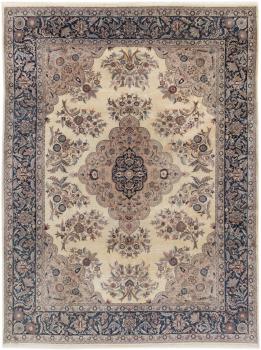
Anniversary Sale
Save up to 20% – even on already discounted rugs!
There are interior design styles that impress. And there are interior design styles that calm. The Asian interior design style belongs to the second category. Instead of excess, the focus here is on clarity, natural materials, and balance. Inspired by living traditions from Japan, China, Thailand, and other parts of Asia, these spaces radiate tranquility while still feeling stylish.
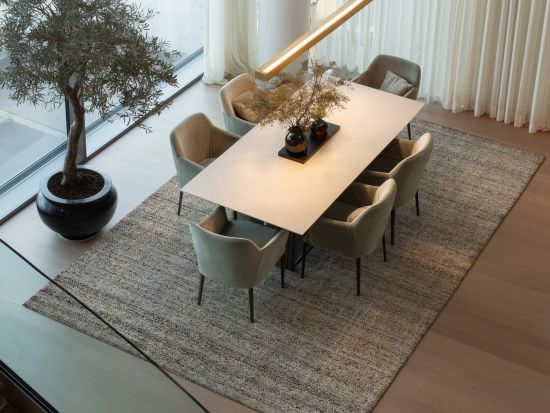
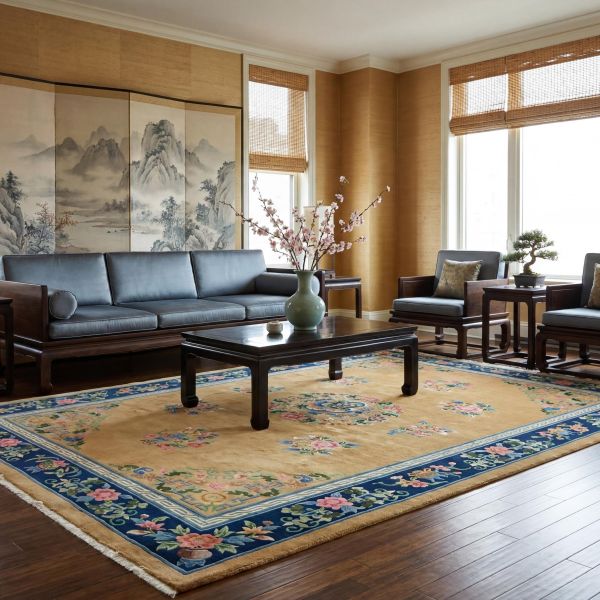
Natural materials, warm colors, and carefully selected furniture and home accessories are typical of the Asian interior design style. Choosing the right rug also plays an important role. A high-quality rug ties together the individual elements of a room and creates a harmonious atmosphere.
Instead of overcrowded spaces, it creates an atmosphere that encourages relaxation and mindfulness.
Colors play a central role in designing Asian-inspired living spaces. The goal is a natural and balanced look.
Especially popular are:
These colors pair beautifully with wood, natural stone, and hand-knotted rugs. Individual dark accents add depth without disrupting the calm overall feel.
A connection to nature is one of the most important characteristics of Asian interior design. Plants are used not just as decoration, but as an integral part of the overall room concept.
A bonsai on the windowsill, bamboo in the living area, or natural materials like wood and stone create a connection to nature. Hand-knotted rugs complement this concept perfectly. Wool, silk, or cotton provide a pleasant feel and bring additional warmth to the room.
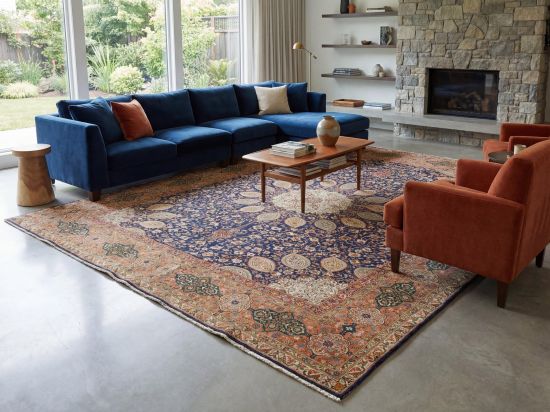
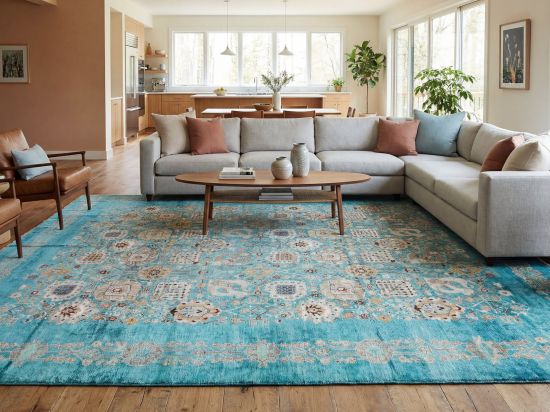
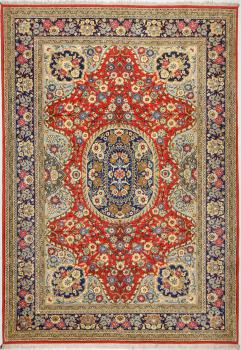
In Asian living style, a rug is much more than a floor covering. It gives the room structure, ties furniture together, and creates a warm, inviting feel.
High-quality hand-knotted rugs in particular reflect values that perfectly complement Asian interior design:
A rug doesn’t have to be bold, either. In many cases, understated designs create the most harmonious look and enhance the calm atmosphere of a room.
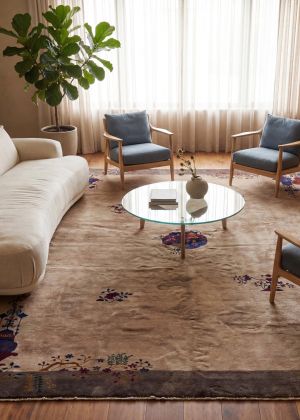
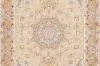
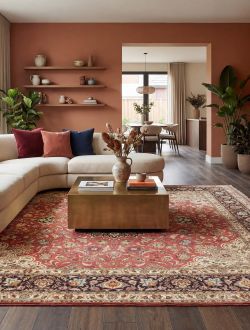
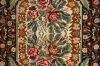
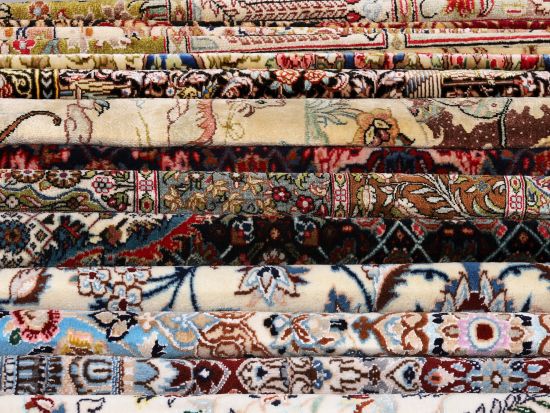
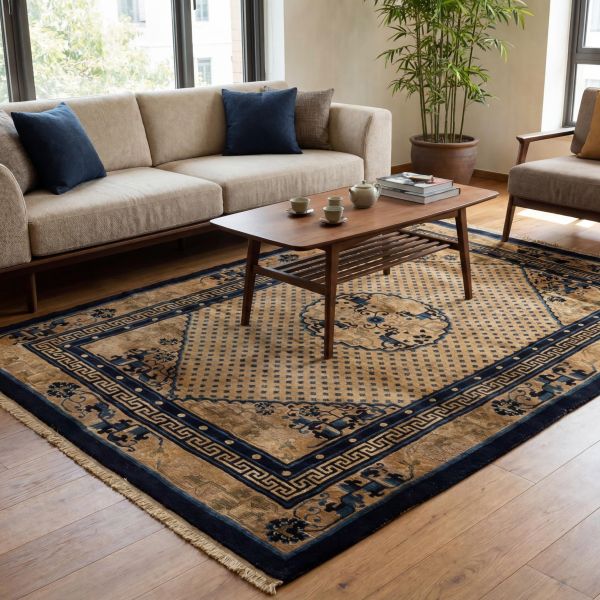
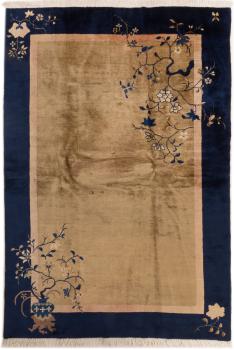
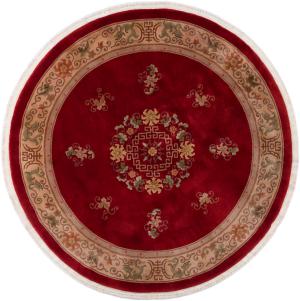
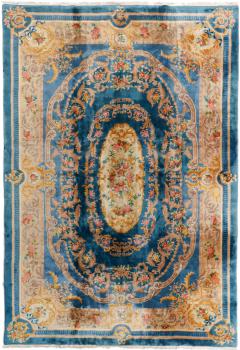
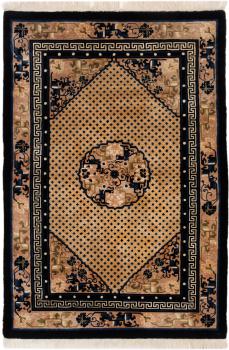
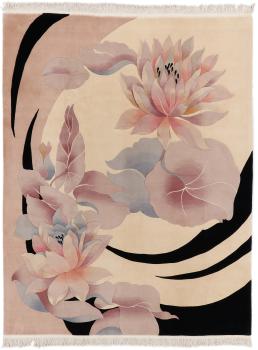
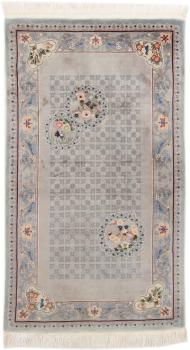
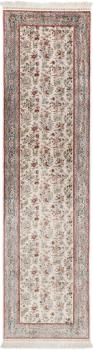
Hand-knotted China rugs are among the most popular rugs for Asian-inspired interior design. They are known for their elegant colors, fine knotting, and stylized floral motifs. Lotus blossoms, cloud patterns, and traditional ornaments blend perfectly into a harmonious room design.
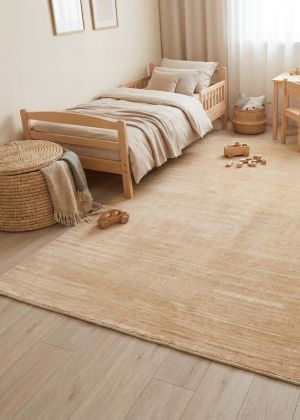
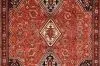
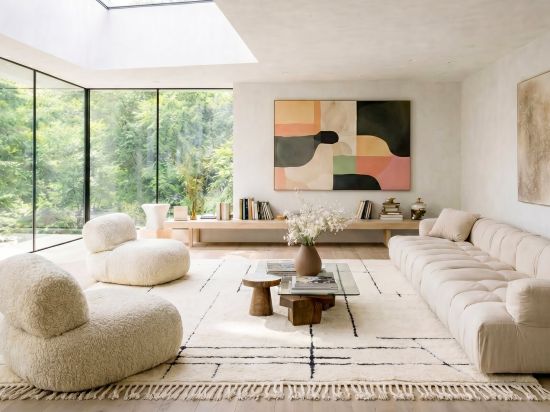
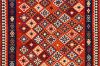
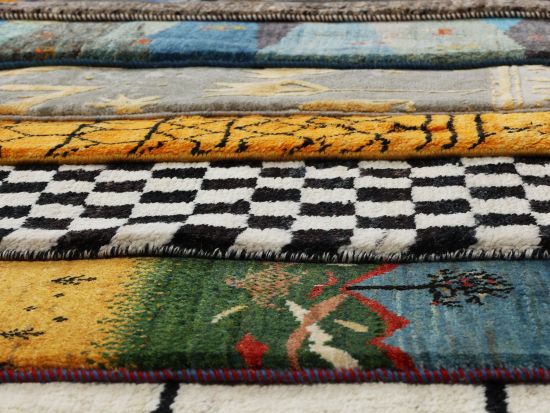
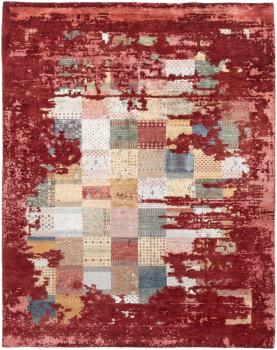
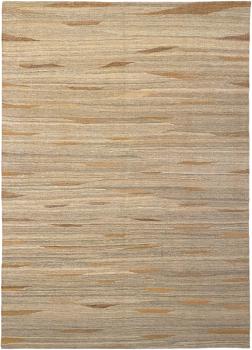
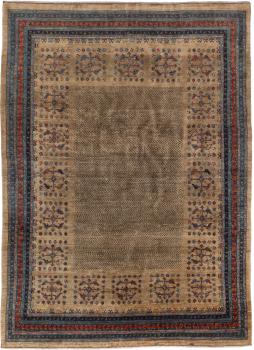
Gabbeh rugs stand out for their natural character. Clean patterns, warm colors, and a pleasant feel make them an ideal addition to modern Asian living concepts. They create a cozy atmosphere, especially in living rooms and bedrooms.
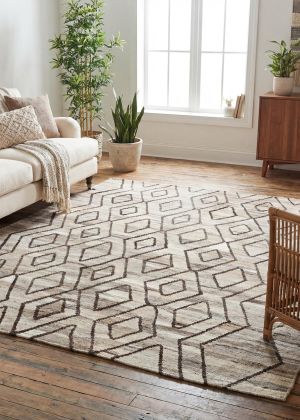
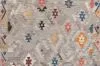
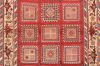
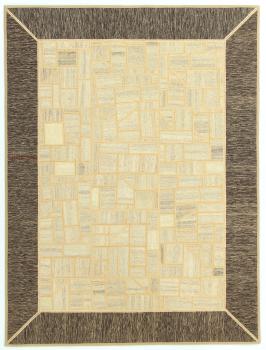
Kilim rugs are an excellent fit for pared-down and minimalist interiors. Their flat-woven structure and often understated patterns create a light, effortless look.
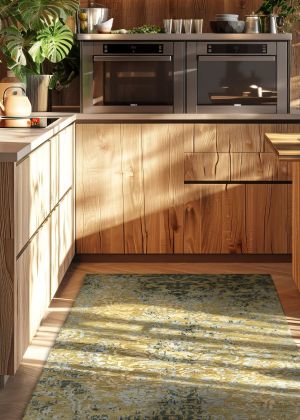
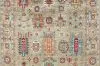
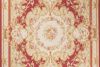
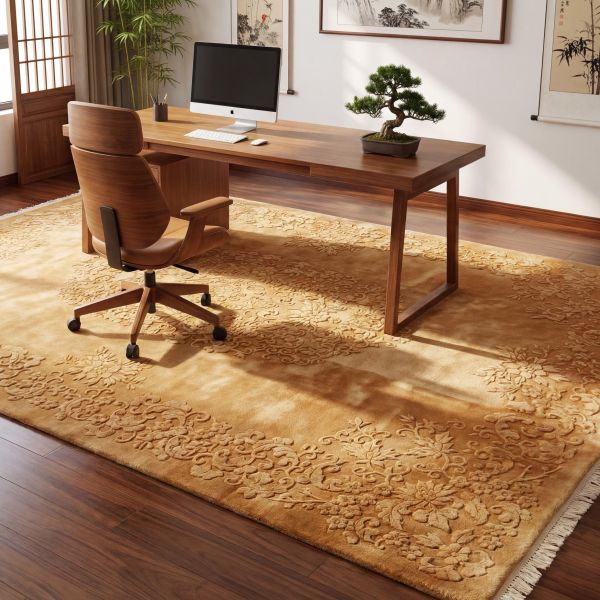
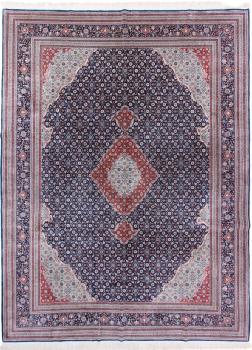
If you prefer a modern interpretation of Asian interior style, high-quality Sadraa rugs are an excellent choice. Their subtle sheen adds elegance and depth to the room.
Asian interior design follows the principle: less is more. Instead of many small decorative objects, carefully selected statement pieces are used.
A high-quality rug can itself become the central design element. It gives the room character without making it feel cluttered. Hand-knotted rugs in particular tell their own story through their patterns, materials, and origin while blending harmoniously into the overall look.
Anyone who chooses an Asian-inspired interior style is opting not just for a certain look, but for a distinctive way of living. Natural materials, harmonious colors, and carefully selected furniture create spaces that convey calm and balance.
A hand-knotted rug complements this concept naturally. It brings warmth to the room, combines tradition with comfort, and adds stylish accents without disrupting the harmony of the overall design.
The result is a home that not only looks beautiful, but feels good too.