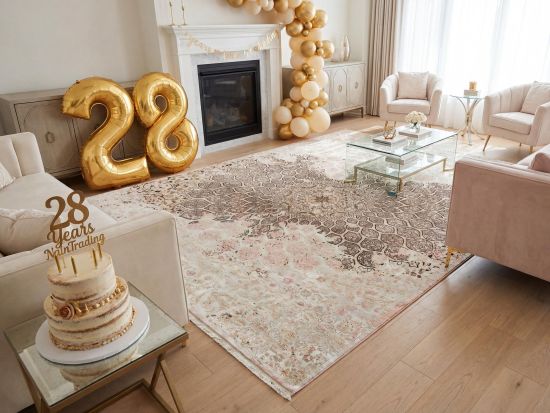
Anniversary Sale
Save up to 20% – even on already discounted rugs!

The tradition of weaving carpets in Iran is ancient. Long before Europe knew its first factories, carpets for everyday use were being made there.
Initially, practical reasons were at play: protection from the cold, a soft surface, warmth in the tents of nomads. Over time, patterns were added that had specific meanings. Each city, as well as each region, developed its own unique style. Those who delve deeper quickly realize: a carpet from Nain does not look like one from Tabriz, and a Bidjar has nothing in common with a Kerman.
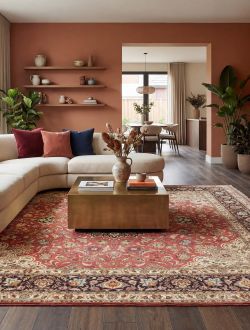
In many households, a Persian carpet still lies at the center of the living space today. When referring to a Persian carpet, one usually means a hand-knotted carpet from Iran. Some also speak generally of Persian carpets when referring to the variety of patterns and regions.
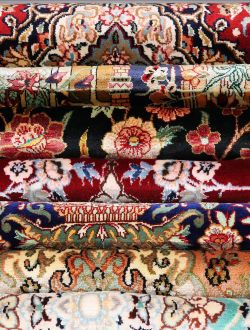
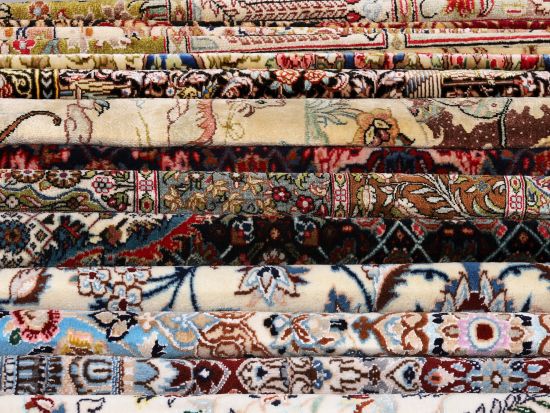
Even today, people in these regions weave using the same methods as their ancestors. Wool, sometimes cotton, sometimes silk, is processed by hand into knots, repeated millions of times until a Persian carpet is completed. The resulting pieces are valued not only in Iran but worldwide.
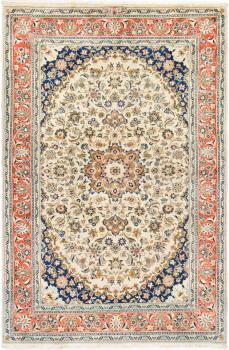
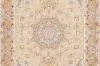
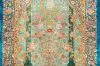
In the city of Nain, on the edge of the desert, handmade carpets are created that immediately stand out due to their colors. The weavers there often use bright tones, ivory, and beige, along with a fine blue. This combination gives the carpet a light and elegant appearance.
As for the knotting - it is very dense, with over a million knots per square meter in some cases. This makes the patterns appear fine and precise.
When you take a close look at a Nain carpet, you can immediately recognize the delicate floral ornaments and the central medallion. A Nain carpet fits particularly well in bright rooms, does not feel heavy, and brings tranquility and clarity. Many use this type of carpet in bedrooms or in living spaces with modern furnishings.
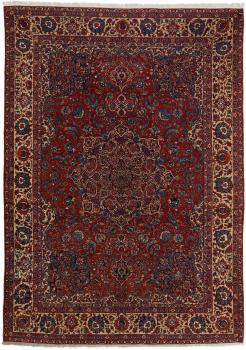
Bidjar is located in the Kurdish part of Iran, and the rugs from there differ greatly from those in other regions. They are knotted and beaten so tightly that they are called "the iron rugs."
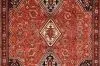
Anyone who has held a Bidjar rug immediately notices its weight. It is heavy, dense, and almost indestructible. The patterns are usually geometric or strictly floral, in bold reds and deep blues.
A Bidjar appears serious, massive, and solid. In high-traffic areas – such as hallways, dining rooms, or entryways – it is ideal because it shows hardly any wear even after decades.
Many families pass down Bidjar rugs to the next generation because they last practically forever.
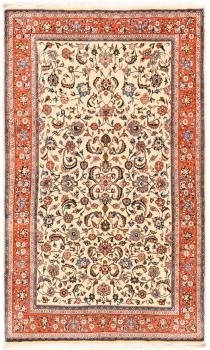
Sarough is located in central Iran and has been known for its carpets for a long time. They are durable, meaning they can withstand a lot of use. The patterns mostly consist of flowers that are evenly distributed across the surface. The colors are vibrant, often red or blue.
A Sarough carpet is versatile. It fits well in both a living room and a dining room. Due to its durability, it is often used in areas that see heavier use. Many families keep Sarough carpets for generations because they are reliable and timeless.
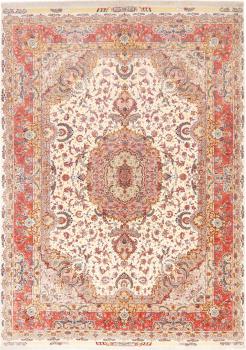
Tabriz, in the northwest of Iran, is one of the most famous places for carpet weaving. As early as the 16th century, there were workshops here that worked for the royal court.
A Tabriz carpet (also called Täbriz carpet) is recognized by its precision.
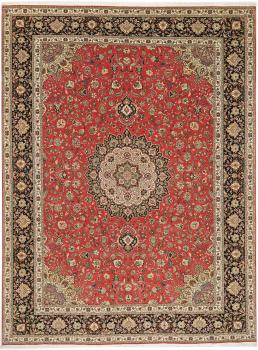
The patterns are very clear, almost as if they were drawn. Often, you will find large medallions in the center, surrounded by floral vines, arabesques, or hunting scenes.
Some Tabriz carpets also feature figurative representations, which is rather rare.
The colors are vibrant, with red, blue, and sometimes beige as a balance.
A Tabriz carpet has a commanding presence. It is well-suited for large living or dining rooms, where it becomes the focal point of the space. Anyone who sees it immediately notices the precision of the work. In expert circles, this is often referred to as the "classic Tabriz style." Some dealers also use the term Tabriz Iran carpet.
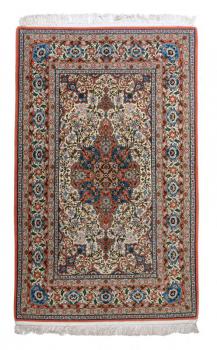
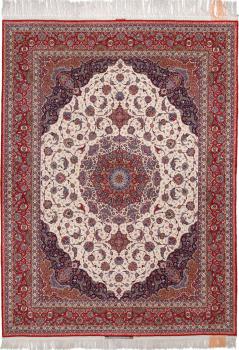
Isfahan was one of the most important cities for carpet production during the Safavid period, and this reputation has endured to this day. An Isfahan carpet is often very finely woven, sometimes incorporating silk.
This not only makes it more durable, but also gives the patterns a shine that is rare in other carpets. Typical features include large medallions in the center, surrounded by fine arabesques and vines.
Such carpets are not suitable for every room. Due to their delicacy and value, they are rarely placed in high-traffic areas.
They are usually showcased in representative spaces, such as the living room or a salon. Those who own an Isfahan piece treat it more like a work of art, even though it remains a functional item. Its impact is especially pronounced when it has enough space so that the pattern remains fully visible.
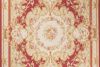
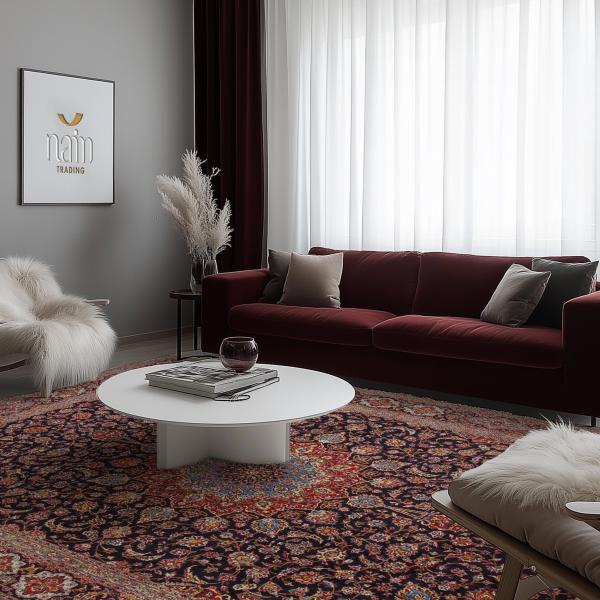
Keshan is a city in central Iran, known for its carpets with vibrant colors. A typical feature is a large, round medallion in the center that stands out distinctly from the background. It is surrounded by floral patterns that fill the entire carpet. The main colors are red and blue, complemented by lighter tones that emphasize the design.
A Keshan carpet has a traditional appearance.
It fits well in rooms that are classically furnished, such as a dining room or a living room with heavy furniture. It also makes an impact in a larger space, as the bold colors bring the floor to life.
Many consider the Keshan to be the quintessential Persian carpet because it closely matches the image one has in mind when talking about "a true Persian carpet."
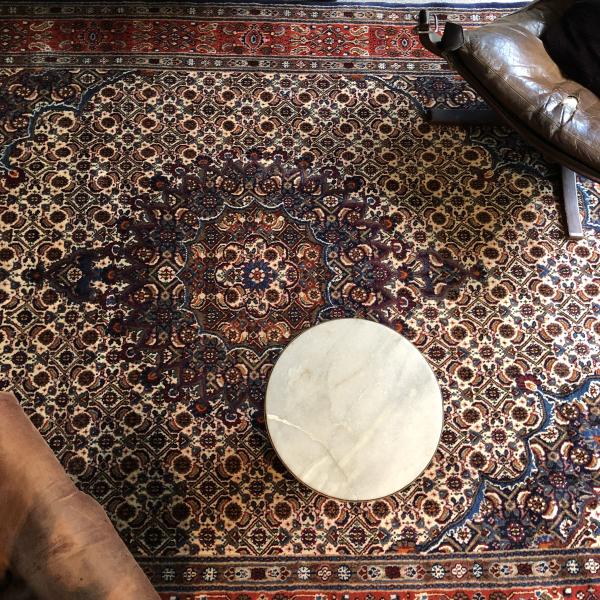
The city of Moud is located in eastern Iran, and the carpets from there are easily recognizable by their clear patterns.
The so-called Herati motif is often used: small diamonds that incorporate leaves and flowers. The colors are usually subtle, such as beige, blue, or a soft red. This gives the carpets a balanced appearance, making them neither heavy nor chaotic.
A Moud carpet fits well in spaces where a calm atmosphere is desired. Many place it in living rooms or offices because it unifies the room without being too dominant.
Those who spend more time observing the pattern will notice the repetition, which almost feels like a rhythm. This makes it a carpet that is particularly well-suited for spaces where one wants to concentrate or relax.
Ghom, also written as Qom, is a relatively young weaving center, but the rugs from there have become world-famous.
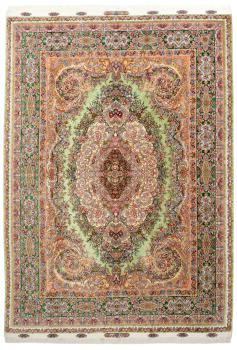
Particularly well-known are the pieces made of pure silk. They are very finely woven, sometimes with two million knots per square meter. This allows for patterns that are so detailed they can almost be viewed like a miniature painting.
The colors range from gold and ivory to green or blue, often with an almost shimmering effect.
A Ghom rug is more delicate than a piece made of pure wool and is therefore rarely used in everyday life. Many Ghom rugs are made of silk and are thus sensitive. For this reason, they are seldom placed in areas where there is heavy foot traffic. They are often found in a study or in a room that is not used constantly. Some owners even hang them on the wall because they prefer to admire them rather than walk on them.
Mashhad is located in the northeast of Iran. From there come carpets that are often crafted in vibrant red, with dark blue patterns as a contrast. A typical feature is a large medallion in the center that stands out clearly from the background. In the market, these pieces are often found under the designation Mashhad carpet.
A Mashhad carpet needs space. Many of these carpets are also very large, making them particularly suitable for wide areas.
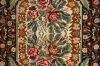
Kerman is located in the south of Iran. Rugs from there are immediately recognizable by their patterns. They often feature flowers, leaves, or entire bouquets that spread across the surface. The colors are usually red and blue, sometimes combined with lighter tones. Many pieces appear vibrant, almost as if the rug were a garden on the floor.
A Kerman rug fits well in larger rooms. It stands out best when it can be seen completely, without furniture blocking it. It looks particularly good in living or dining rooms, as it makes the space feel warmer and more colorful.
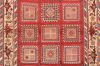
Kashmar is located in northeastern Iran, in the Khorasan region, and has made a special name for itself in carpet weaving. Unlike many other Persian rugs, which primarily display floral patterns or medallions, Kashmar rugs often tell real stories.
Kashmar Rugs do not appear garish at first glance.
The colors are usually somewhat subdued: dark red, earthy beige, and vibrant blue are common. Upon closer inspection, one realizes that it is precisely this combination that gives the rugs their special effect.
The pieces have a certain dignity, sometimes even a certain weight, making them very present in the room. Their weaving is fine, without being as delicate as the extremely dense silk rugs from Qom or Isfahan.
Kashmar rugs are particularly valued by collectors seeking something unusual. Each piece is not only a craft-worthy rug but also a cultural testament. They unfold their effect best in a living room or reception area. Some owners even hang them on the wall, as the pictorial scenes are regarded as artworks.
Floral motifs can be found in many carpets. They refer to nature, fertility, and life itself.
Often, entire fields are filled with small flowers that remind one of the garden art of Persia.
A tree of life is also a common motif. It represents permanence and is sometimes interpreted as a reference to paradise in certain carpets.
Many carpets incorporate animals. Birds are often seen, symbolizing freedom. Fish are also found, regarded in Persia as a sign of luck. Sometimes lions or horses appear as well. These motifs represent power and strength.
Important features include the knot density, the quality of the wool or silk, and the clarity of the pattern.
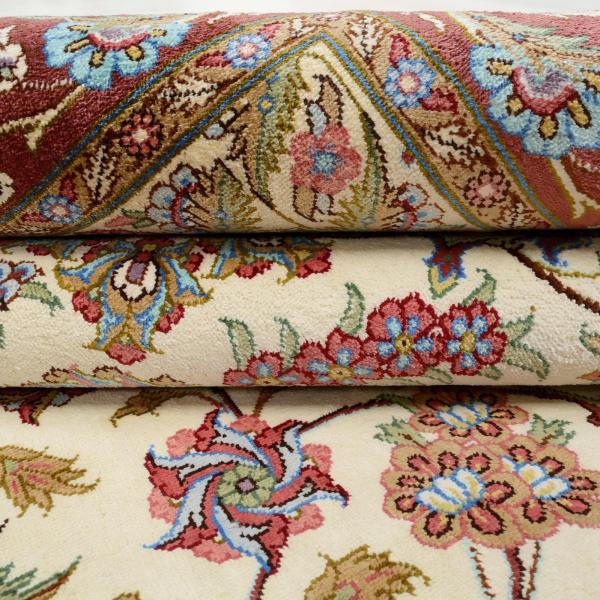
The back also provides clues: in a genuine piece, the pattern is clearly visible there.
A Persian rug is durable, but it requires proper care.
It is best to vacuum it regularly without pressing too hard on the fibers. Stains should be addressed immediately, preferably with a cloth that does not shed. Rubbing is not advisable, as it can cause the wool to felt.
| Room / Use | Recommended Size |
|---|---|
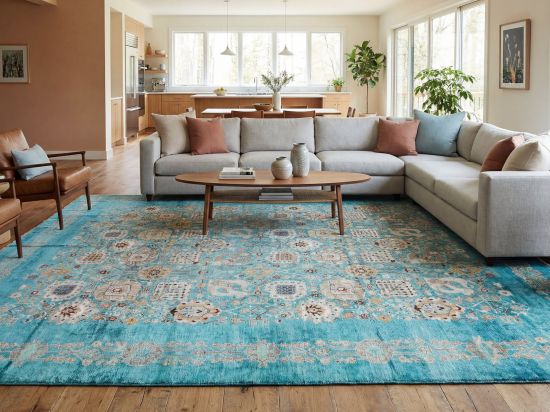
| Living Room (Seating Area) | approximately 300 x 200 cm or larger |
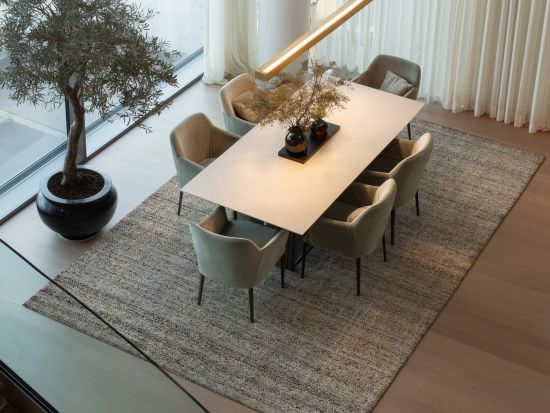
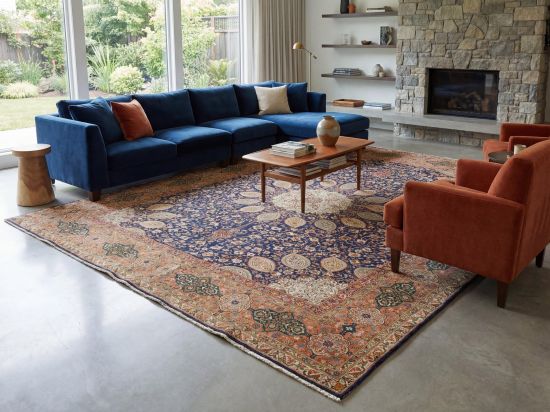
| Dining Room (under Table) | approximately 350 x 250 cm |
| Bedroom (in front of Bed) | approximately 200 x 150 cm |
| Hallway / Entrance Area | Runner approximately 300 x 80 cm |
| Office / Library | approximately 250 x 170 cm |
| Representative Room | smaller formats, e.g. 150 x 100 cm or 200 x 130 cm |
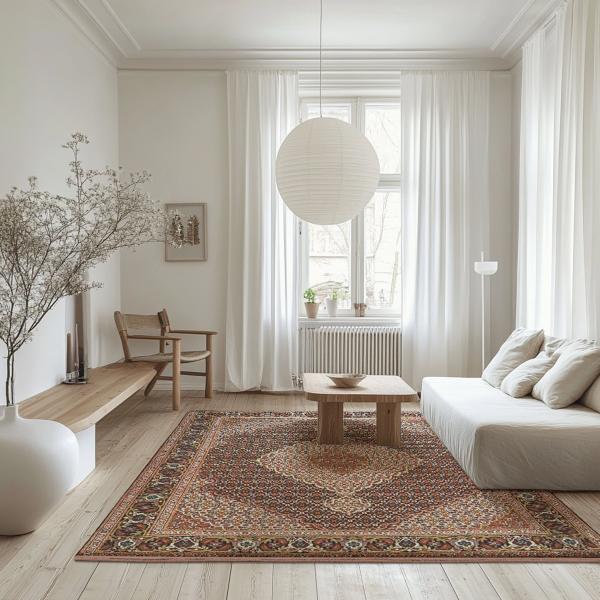
A Nain rug is light. The colors range from beige to a pale blue. This makes it suitable for rooms that have a lot of light. It is often found in bedrooms or modern living rooms, where it easily blends in.
A Tabriz rug is intricate and usually vibrant in color. It looks best in large rooms, as the pattern can be fully appreciated there. Many place it in the living room or dining room. It also fits well in a study if one desires a rug that has a clear appearance.
A Bidjar rug is very durable. It is used in areas with a lot of foot traffic, such as hallways, dining rooms, or entrances. Due to its dense weaving, it hardly wears out, even with heavy use.
A Moud rug features uniform patterns in lighter colors. It is often laid in living rooms or studies. Some also use it in a library, as its calm design is not distracting.
An Isfahan rug is finely crafted and often contains silk. Such pieces are not placed in heavily used rooms but rather in representative areas like a large living room or a salon. There, it can be seen and appreciated without being overly stressed.
A Keshan rug with its medallion design is classic. It finds its place in traditionally furnished living and dining rooms. The bold colors make it a prominent feature of the space.
A Ghom rug made of silk is delicate. Therefore, it is usually placed in rooms that are not frequently entered. Some even hang it on the wall. It is more often collected than used in everyday life.
A Kerman rug often features floral patterns in vibrant colors. It fits well in larger living or dining rooms. There, its patterns appear lively and fill the space.
A Mashhad rug is often red and large. Such rugs are placed in spacious areas, such as a large living room or a reception area. There is space to see the entire pattern.
A Sarough rug is often found in living or dining rooms. It is used even in rooms that experience more wear and tear. Many of these rugs remain in use for decades and are passed down within the family.





 (1).jpg)
 (1).jpg)
.jpg)
 (1).jpg)